
What Is the Leading Cause of Blindness in Africa?
Cataracts are the leading cause of blindness in Africa, driven by UV exposure, aging, and limited healthcare access. Embrace Relief’s program in Mali provides free surgeries to restore sight and independence.
The useful part before the long read.
Cataracts are the primary cause of blindness in Africa due to limited access to eye care and high UV exposure.
Risk factors include intense sunlight, aging, untreated infections, malnutrition, and genetic conditions.
Cataract blindness is reversible with a simple, safe surgery that often takes only 15 minutes.
Embrace Relief’s Cataract Program in Mali offers free screenings, surgeries, and follow-up care to restore vision.
The Crisis of Cataract Blindness
Blindness is one of the most challenging health issues across Africa, affecting millions of people every year. While there are many reasons why vision loss happens, cataracts remain one of the leading causes of blindness on the continent.
The tragedy is that cataract blindness is preventable and, in most cases, treatable with a simple surgery.
Across many African regions, cataracts are the top cause of blindness.
Limited access to eye care, shortages of medical professionals, and the high cost of treatment all contribute to this growing problem.
Cataracts develop slowly, and many people do not notice the early signs. Over time, the eye’s natural lens becomes cloudy, making it harder to see. If untreated, cataracts can cause complete blindness.
What Causes Cataracts in Africa?
Cataracts can affect anyone, but certain factors make them more common in Africa. Here are some of the most important causes:
- Intense Sun Exposure (UV Radiation)
- Africa’s strong sunlight and long hours outdoors increase exposure to UV rays.
UV radiation speeds up the clouding of the eye’s lens. Without sunglasses or eye protection, the risk of cataracts rises significantly.
- Aging
- As people get older, the proteins inside the eye begin to break down naturally.
In many African communities, people live with cataracts for years because there is no access to affordable eye care.
- Infections and Untreated Eye Diseases
- In some regions, untreated eye infections or inflammation can accelerate cataract development.
Conditions like uveitis or previous eye injuries may also lead to early cataracts.
- Malnutrition
- Lack of vitamins such as Vitamin A, antioxidants, and nutrients can affect eye health and increase cataract risk.
- Genetic Factors and Medical Conditions
- Some people are born with a higher risk.
Health conditions like diabetes can also speed up cataract formation.
How Cataracts Can Be Prevented
While cataracts can develop naturally with age, many causes are preventable. Communities can protect their vision by following simple practices:
- Protecting Eyes from UV Rays
- Wearing sunglasses or hats reduces exposure to UV radiation and helps protect eye health.
- Eating Nutritious Foods
- Foods rich in Vitamin A, leafy greens, fruits, and antioxidants help keep the eyes healthy.
- Preventing and Treating Eye Infections
- Clean water, proper hygiene, and early treatment of eye infections protect long-term vision.
- Regular Eye Check-Ups
- Early detection can prevent blindness. A simple exam can identify cataracts before they become severe.
Restoring Sight Through Surgery
The good news is that cataract blindness is reversible.
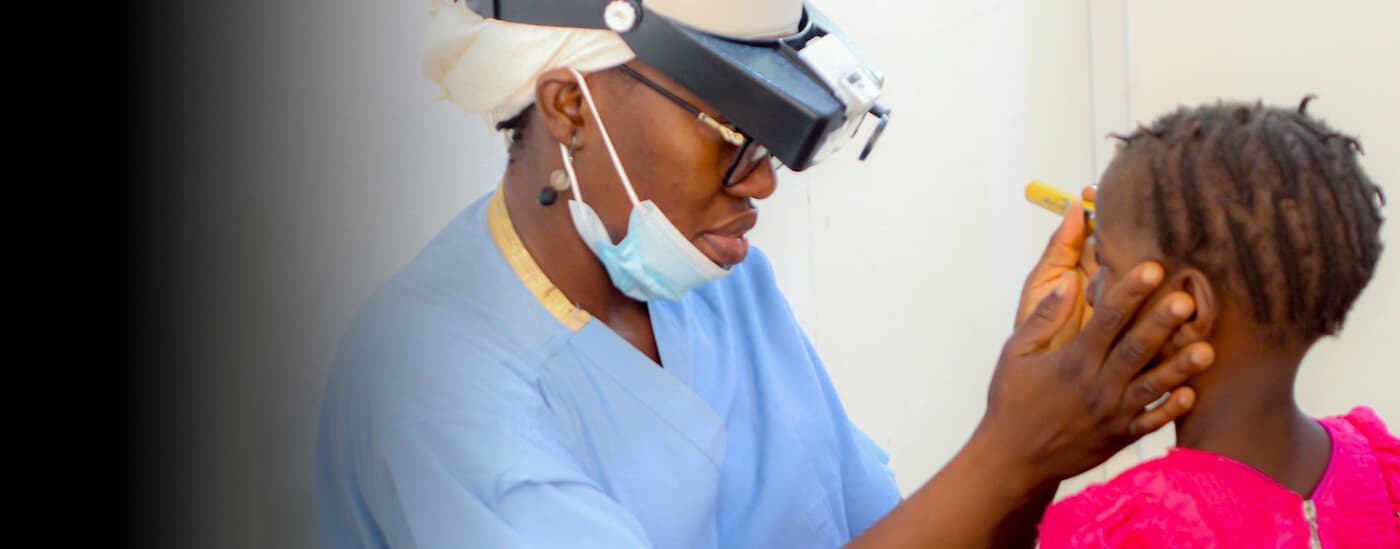
A quick, safe, and affordable surgery can restore clear vision, often within 15 minutes.
For many families, this means returning to work, education, and daily life with independence.
Health
Support cataract surgeries, mobile clinics, health checks, and medical aid for vulnerable communities.
Embrace Relief’s Cataract Program in Africa
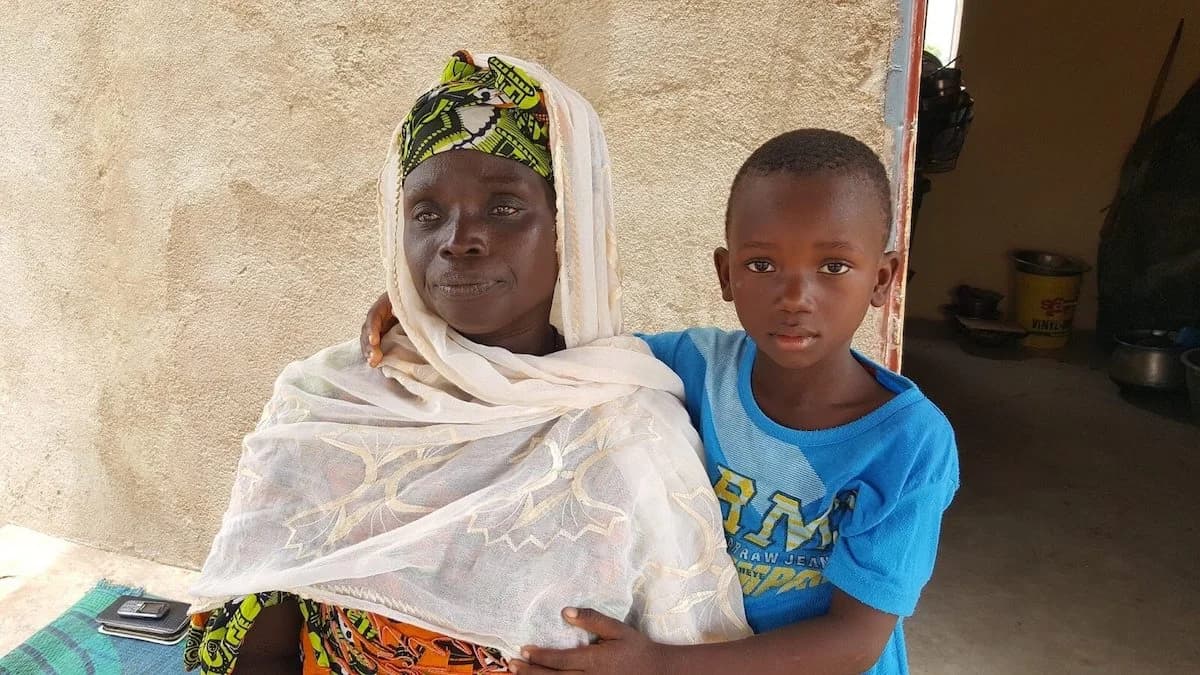
In Mali, thousands of people are living with severe vision loss due to untreated cataracts. Many cannot work, support their families, or live independently. Access to eye care is extremely limited, especially in rural areas.
Embrace Relief’s Cataract Program is transforming lives by providing:
- Free cataract screenings
- Free cataract surgeries
- Post-surgery medications
- Follow-up care
- Community outreach and education
For people in Mali, this program is more than medical care—it is a second chance at life.
Children can see their parents clearly. Elders can walk safely again. Adults can return to work and rebuild their futures.
Every surgery restores not just sight, but hope.
Blindness caused by cataracts is unnecessary and preventable.
Your support can give someone the gift of sight, independence, and dignity.
A single donation can fund a life-changing cataract surgery.
Join the mission. Support cataract surgeries. Restore vision. Change a life.
Even a small contribution can bring light to someone living in darkness.