10 Ways to Clean Lake Water While Camping From Easiest to Most Advanced
From boiling to high-tech filters, campers have many options for cleaning lake water, but billions worldwide lack access to safe drinking water. Embrace Relief is closing this gap by building durable water wells in Africa to provide long-term clean water access.
The useful part before the long read.
Campers can use methods ranging from boiling and filtration straws to UV purifiers and multi-stage systems to clean lake water.
While outdoor enthusiasts have various purification options, millions in Africa lack access to safe drinking water.
Embrace Relief builds and maintains water wells in rural African communities, serving over 1 million people since 2013.
A single well costs $3,500 and provides sustainable, safe drinking water for over 1,000 people daily.
Introduction to Water Purification
Summer camping trips bring us close to nature and sometimes far from clean water. If you’re relying on a lake or river for hydration, knowing how to purify water could literally save your life. Here are 10 methods to clean lake water, from simple DIY fixes to advanced systems used by survivalists and aid workers.
Basic and Portable Purification Methods
The most basic method: bring your water to a rolling boil for at least one minute. This kills bacteria, viruses, and parasites but it doesn’t remove sediment or chemicals.
Compact and simple, filtration straws are lightweight, portable, and require no batteries. They can remove over 99% of bacteria and protozoa perfect for a quick sip on the trail.
Hang a bag, let gravity do the work. These filters can process several liters per hour and are ideal for groups. They typically remove bacteria, and some viruses.
A bit more effort, but highly effective. These hand-pump systems filter water on-demand and can handle turbid (muddy) water with ease.
Iodine or chlorine dioxide tablets are affordable and pack light. They take about 30 minutes to disinfect water, but taste and effectiveness against all parasites can vary.
Using UV light wands or pens (like the SteriPEN), this method zaps microbes in about 90 seconds. It’s fast and effective, but requires batteries and clear water.
In emergencies, place clear plastic bottles in direct sunlight for 6 hours. UV rays kill pathogens over time. It’s free and easy, but depends on weather and bottle quality.
Advanced Filtration and Distillation
Great for base camps. These filters use porous ceramic to trap bacteria and sediment. They’re slow but effective and can last for years with proper care.
Rare in the wild due to gear requirements, distillation removes everything from bacteria, viruses, heavy metals, and salts. Boil water, collect the steam, and condense it.
These high-end systems combine filters, UV light, and carbon stages. They’re used by aid organizations and serious hikers alike. Expensive but highly reliable.
Whether you’re on a weekend backpacking trip or a multi-day wilderness journey, clean water is non-negotiable. The good news? You have options. The better news? You’re privileged to have them.
The Global Clean Water Crisis
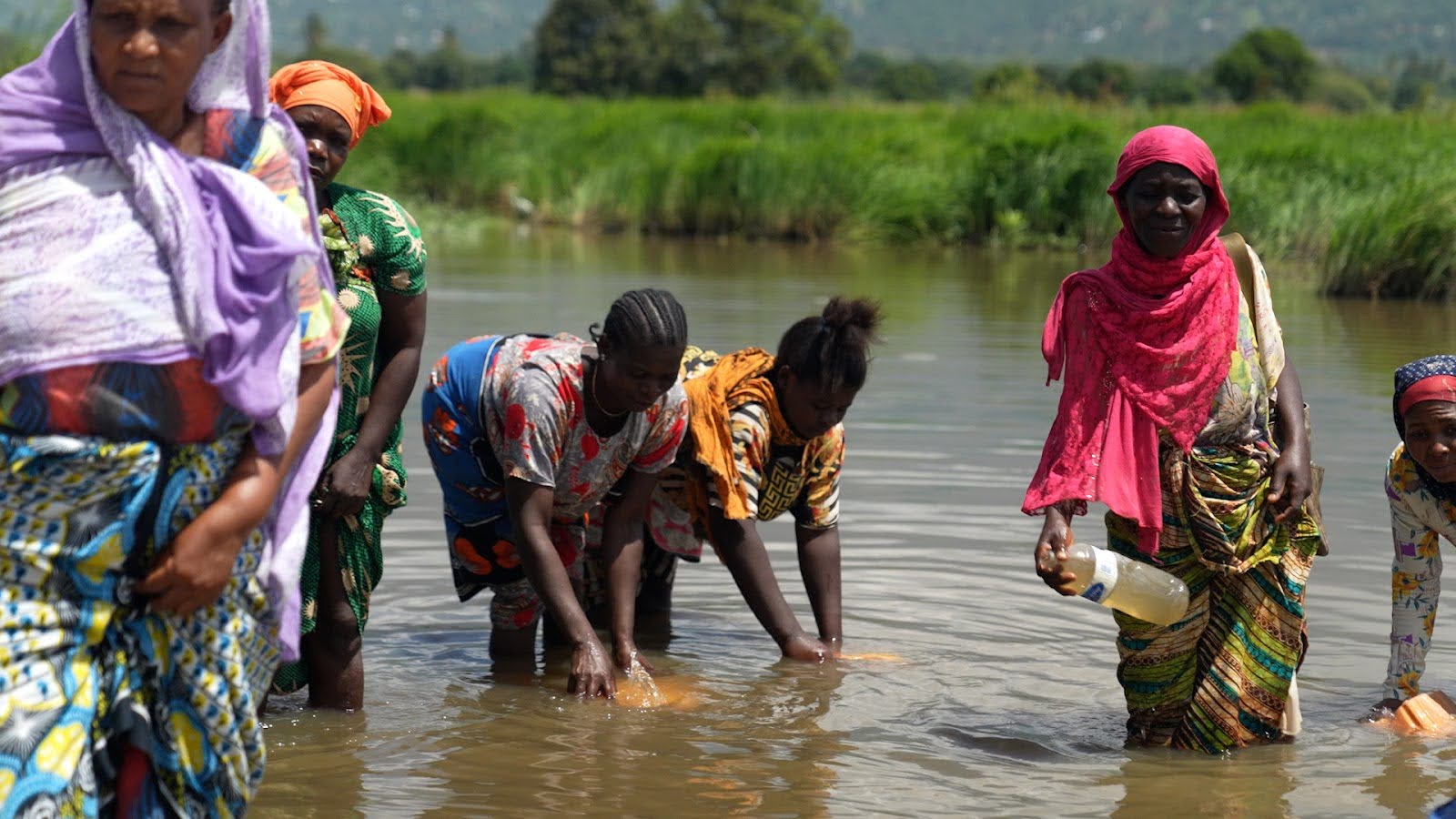
Out in the wild, you might choose between a filter straw or a UV purifier. But across Africa, millions don’t get a choice at all. Clean water is simply out of reach.
While campers invest in gear for hydration, entire communities are still drinking from contaminated ponds and rivers. Waterborne illnesses like cholera, dysentery, and typhoid claim lives every day, especially among children.
That’s where Embrace Relief steps in.
Through it’s Clean Water Initiative, Embrace Relief builds and maintains water wells in rural communities across Africa. For just $3,500, a single well can supply over 1,000 people with sustainable, safe drinking water every day.
- A five-year warranty
- Annual maintenance checkups
- A custom name on the well, honoring you or a loved one
- An impact report with photos and project updates
Since 2013, Embrace Relief has built or restored over 1,100 wells in countries like Chad, Uganda, Nigeria, Kenya, and Cameroon, serving more than 1 million people.
These aren’t short-term solutions. These are lifelines. Wells reduce disease, support agriculture, and allow children to go to school instead of spending hours fetching water.
So the next time you pump water at a campsite or filter it from a mountain stream, remember: clean water is a privilege and a human right.
For more information on Embrace Relief’s Clean Water Initiative, click here!