
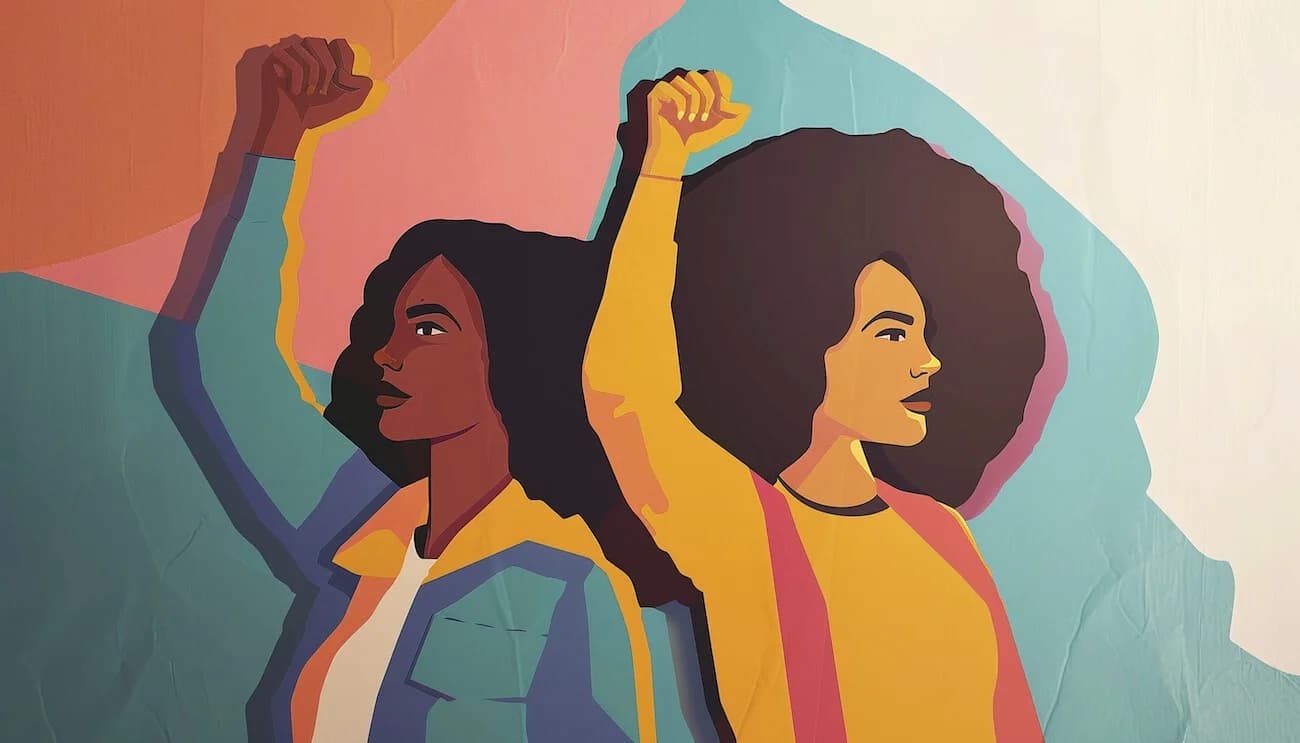
Breaking Chains: The Birth of First Wave Feminism and Its Relevance Today
Explore the origins of first-wave feminism and its enduring relevance, highlighting how modern initiatives like RISE, LEARN, KEEN, and SEED continue to empower women through education and economic opportunities.
The useful part before the long read.
First-wave feminism challenged restrictive societal norms, securing vital rights like suffrage and property ownership for women.
Despite historical progress, many women globally still face educational barriers, economic disparities, and gender-based violence.
Programs like RISE, LEARN, KEEN, and SEED provide critical tools for leadership, education, and economic independence.
Supporting these empowerment initiatives helps build a more inclusive future where women can fully participate in society.
Women's Lives Before First Wave Feminism
Before the dawn of first wave feminism in the late 19th and early 20th centuries, women’s lives were confined by restrictive societal norms and legal limitations. Denied the right to vote, own property, or even retain custody of their children after a divorce, women were often treated as dependents of their fathers or husbands. Their roles were primarily domestic, focusing on housekeeping, child-rearing, and supporting their husbands’ endeavors.
Education and professional opportunities for women were severely limited. Higher education institutions were mostly closed to them, and the few job opportunities available were often low-paying and considered extensions of their domestic roles, such as teaching, nursing, or domestic service. Women were expected to embody virtues of piety, purity, submissiveness, and domesticity, a framework known as the “cult of true womanhood.”
The Emergence of First Wave Feminism
The first wave of feminism emerged as a powerful response to these oppressive conditions. Activists like Elizabeth Cady Stanton, Susan B. Anthony, and Sojourner Truth in the United States, and Emmeline Pankhurst in the United Kingdom, spearheaded movements that fought tirelessly for women’s suffrage, property rights, and access to education. The Seneca Falls Convention of 1848 marked a pivotal moment, where the Declaration of Sentiments was adopted, demanding equal rights for women, including the right to vote.
This movement faced staunch resistance from entrenched patriarchal systems but persevered through advocacy, protests, and relentless campaigning. Significant victories were achieved, such as the passage of the 19th Amendment in the United States in 1920, which granted women the right to vote. These milestones laid the groundwork for subsequent waves of feminism that would continue to push for greater gender equality.
Despite the progress made by first wave feminists, many women worldwide still face conditions reminiscent of pre-feminist eras. In various regions, women continue to be denied education, face restrictions on their autonomy, and experience gender-based violence. Economic disparities, political underrepresentation, and social discrimination persist, underscoring the ongoing need for feminist advocacy.
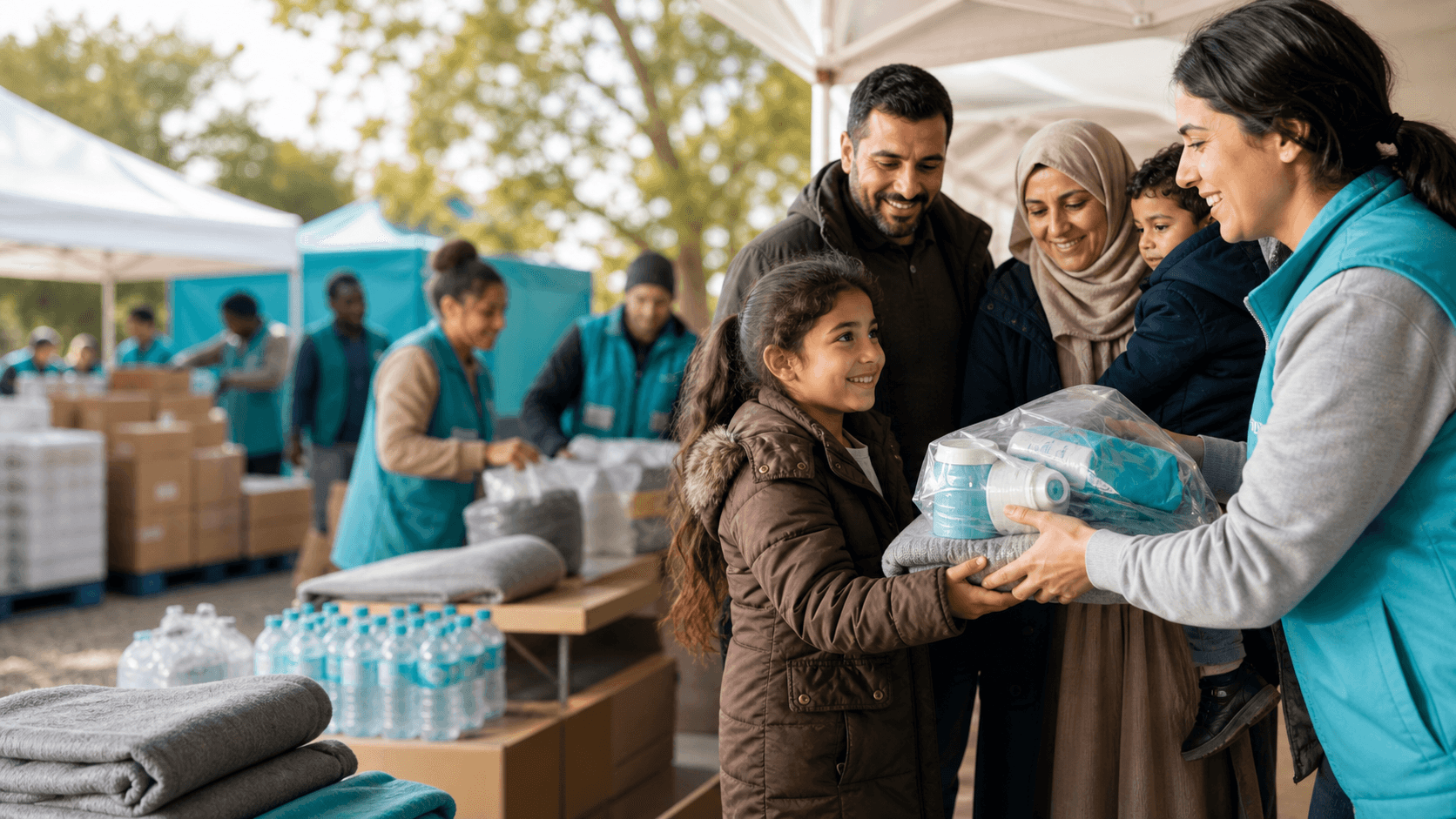
Disaster Relief
Help families recover from emergencies with food, shelter, supplies, and urgent support.
Empowering Women Today Through Education and Economic Opportunities
To address these enduring challenges, initiatives like RISE, LEARN, KEEN, and SEED are crucial. These programs are designed to empower women and girls, providing them with the tools and resources needed to overcome barriers and achieve their full potential.
The RISE (Reach, Inspire, Support, Educate) program empowers women to become leaders in their communities. By breaking down barriers to gender equality and fostering a culture of inclusivity and diversity, RISE helps women build confidence and leadership skills. This program is instrumental in enabling women to take on leadership roles, advocate for themselves, and inspire others in their communities.
Despite the progress made by first wave feminists, many women worldwide still face conditions reminiscent of pre-feminist eras. In various regions, women continue to be denied education, face restrictions on their autonomy, and experience gender-based violence. Economic disparities, political underrepresentation, and social discrimination persist, underscoring the ongoing need for feminist advocacy.
LEARN (Learning and Education for Afghan girls’ Rights and Needs) focuses on providing quality education to women and girls. Access to education is a fundamental step toward achieving gender equality and empowering women to take control of their futures. LEARN enables women and girls to unlock their potential, pursue their dreams, and contribute meaningfully to society.
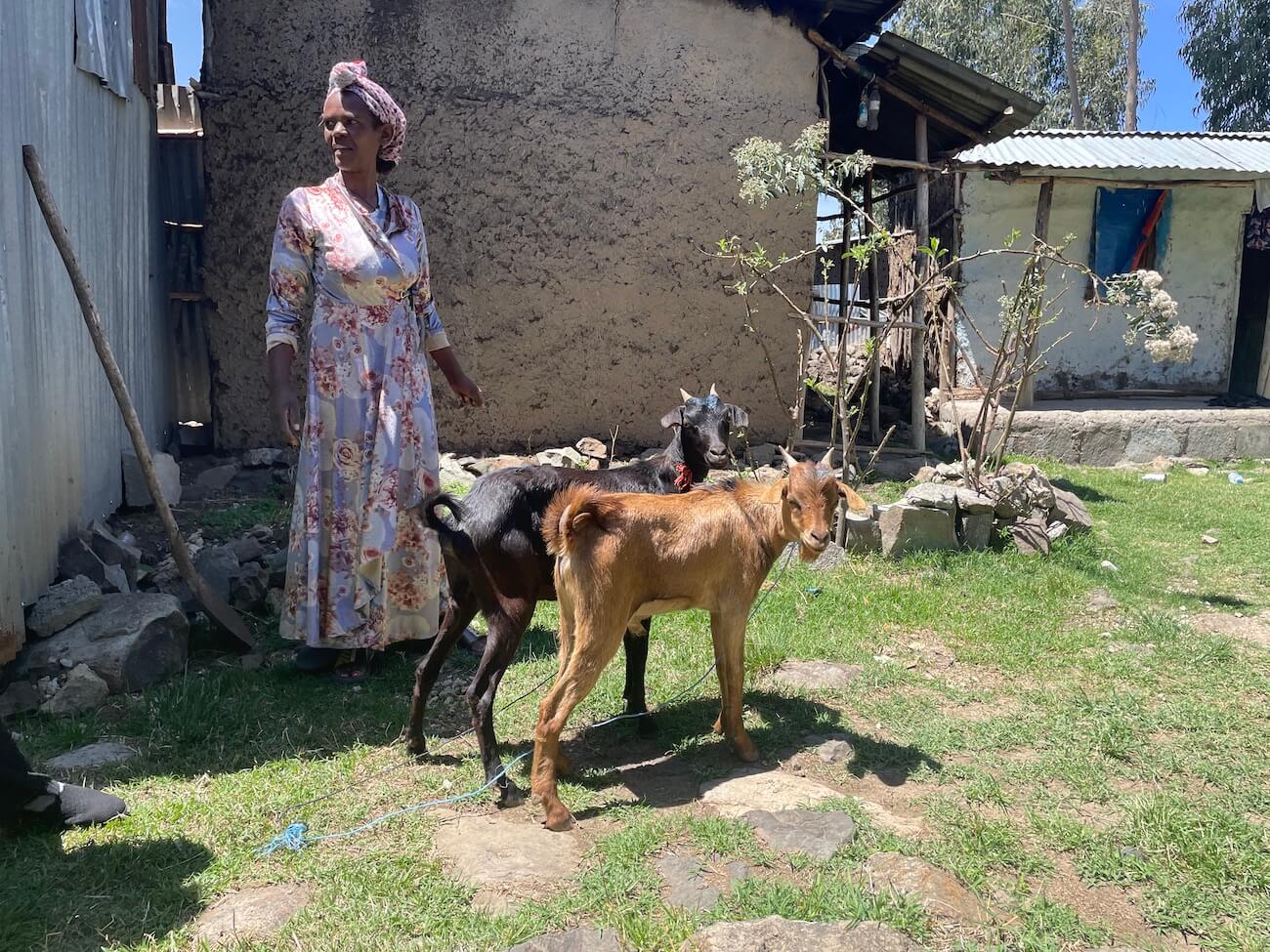
KEEN (Kenya Entrepreneurial Empowerment Network) equips women with entrepreneurial skills and knowledge, promoting economic independence and financial empowerment. By training women to start and grow their businesses, KEEN contributes to economic stability for their families and communities. This program not only fosters financial independence but also supports the broader economic development of the regions where these women operate.
The SEED (Sustainable Entrepreneurship through Eggs and Dairy) program provides women with resources to engage in sustainable agricultural practices. This ensures food security and economic stability, allowing women to support their families and communities effectively. SEED empowers women by giving them the tools to create sustainable livelihoods, thus enhancing their economic resilience and that of their communities.
Building a Future of Gender Equality
As we reflect on the remarkable progress made since the first wave of feminism, we must also recognize the ongoing struggle for gender equality. By supporting initiatives like RISE, LEARN, KEEN, and SEED, we can continue to empower women and girls, helping them overcome barriers, shatter stereotypes, and achieve their full potential. Together, let’s build a future where every woman and girl can exercise her right to vote and participate fully in society.
For more information on Embrace Relief’s women’s empowerment programs, click here!