Fighting Water Pollution in the USA vs. Fighting for Clean Water in Africa
While the U.S. grapples with water pollution and filtration dependency, millions in Africa face a total lack of clean water infrastructure. Embrace Relief’s Clean Water Initiative builds sustainable wells to provide safe drinking water, health, and hope to communities across the continent.
The useful part before the long read.
Water pollution in the U.S. causes concern, but Africa faces a total absence of clean water infrastructure.
Embrace Relief has built or restored over 1,100 wells in Chad, Nigeria, Kenya, Uganda, and Cameroon since 2013.
Each well serves 1,000+ people daily, improving health, education, and economic opportunity.
Wells include durable materials, a five-year warranty, and annual checkups for long-term sustainability.
The Contrast in Water Safety
In the U.S, water pollution has become a national concern, frequently making headlines. From the lead-contaminated water crisis in Flint, Michigan, to devastating chemical spills in West Virginia, and the widespread contamination from PFAS, often called “forever chemicals” affecting dozens of states, Americans are increasingly questioning the safety of their most essential resource.
These incidents highlight not only the failures of outdated infrastructure but also the lack of consistent oversight and enforcement of environmental regulations.
Many families have turned to bottled water or expensive filtration systems, unsure whether the water flowing from their taps is truly safe to drink, this growing mistrust reflects a deeper environmental health issues, corporate responsibility, and the unequal burden pollution places on vulnerable communities.
We install filters, buy bottled water, and debate environmental policies. We fear contamination but we rarely face complete absence. This isn’t about having no water, but about whether the water we have is pure enough. A whole industry thrives on this fear, companies sell us filters that promise safety and purity, yet they also build dependency. Most filtration systems now operate on a kind of subscription model: cartridges and membranes must be replaced every few months, or else the guarantee of “clean water” expires.
What began as a solution to pollution has become a recurring purchase cycle, a ritual of maintenance that mirrors the broader commodification of basic needs. Even our efforts to protect ourselves from environmental decay are folded back into consumerism, cleanliness as a service, and purity on autopay.
Now imagine walking for miles every morning to collect a bucket of muddy water from a river shared with livestock. The sun beats you down, the path is uneven, your feet ache from yesterday’s trip. The water you bring home is brown and heavy with silt and bacteria, but it’s all you have. Drinking it might make you or your child sick, yet the choice isn’t between clean and dirty, but between dirty and none.
That’s the reality for millions across Africa. Here, water pollution doesn’t mean “unsafe tap water,” but the total absence of infrastructure, no pipes, no purification, and no reliable wells. It means hours lost fetching water instead of learning or working, and illnesses like cholera and dysentery that steal futures before they begin.
Water scarcity isn’t an inconvenience; it’s a quiet emergency that shapes every part of life.
Embrace Relief’s Clean Water Initiative: Turning Despair into Hope
Where most see an impossible challenge, Embrace Relief saw a mission.
Since 2013, their Clean Water Initiative has been transforming life across Africa by building, restoring, and maintaining sustainable water wells in regions where clean water was once unimaginable.
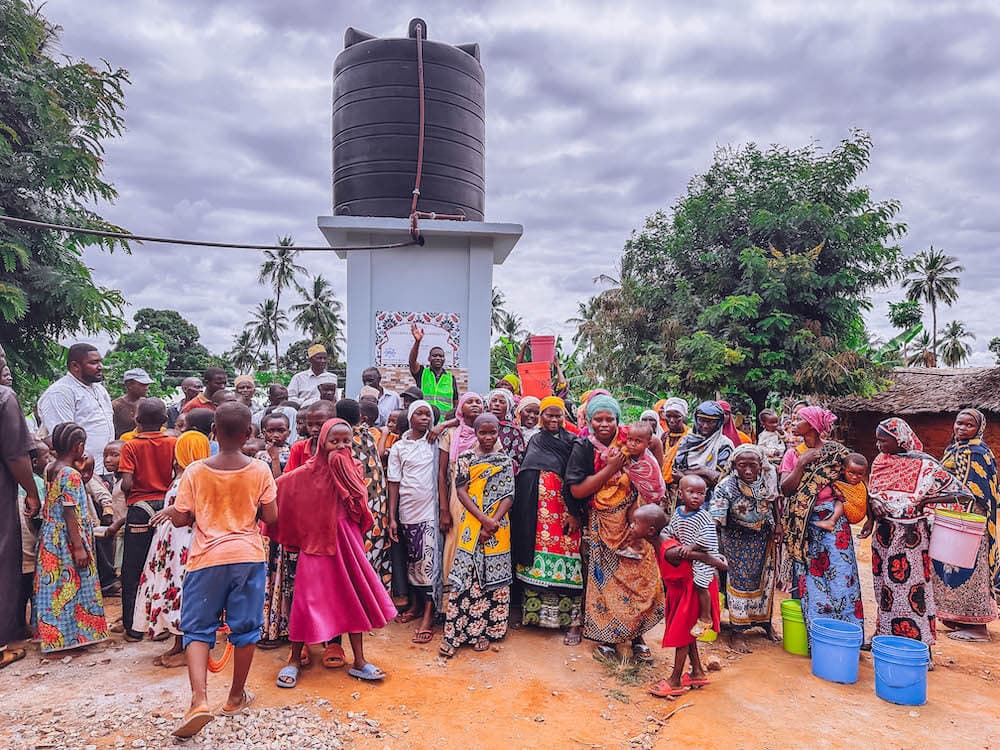
These wells are more than holes in the ground, they are lifelines. Each one brings reliable, drinkable water directly to villages that once depended on dirty, dangerous sources.
With every new well, Embrace Relief is rewriting the story of what it means to live with dignity, health, and hope.
Every well is carefully planned, constructed, and maintained with local involvement. This ensures not just immediate access to clean water, but long-term sustainability.
Each well:
- Provides safe drinking water for 1,000+ people daily.
- It is built with durable, low-maintenance materials suited to local climates.
- Comes with a five-year warranty and annual checkups to guarantee longevity.
- Includes a dedication plaque, symbolizing the connection between donors and the communities they help.
These aren’t temporary solutions, they’re permanent transformations.
Clean water doesn’t just quench thirst, it ignites possibility. It restores health, brings children back to school, and gives families the strength to build a better tomorrow.
For more information on Embrace Relief’s Clean Water Initiative, click here!