
Giving During Ramadan: Why Charity Matters Most
Giving during Ramadan: the Prophet's example, zakat, sadaqah and kaffarah, and how a $35 food package or a $4 iftar helps families who are fasting.
By Embrace Relief Team · Updated November 3, 2026
The useful part before the long read.
The Prophet Muhammad (peace be upon him) was the most generous of people, and he was most generous in Ramadan (Bukhari and Muslim).
You can give zakat, voluntary sadaqah, or kaffarah for missed or broken fasts during Ramadan.
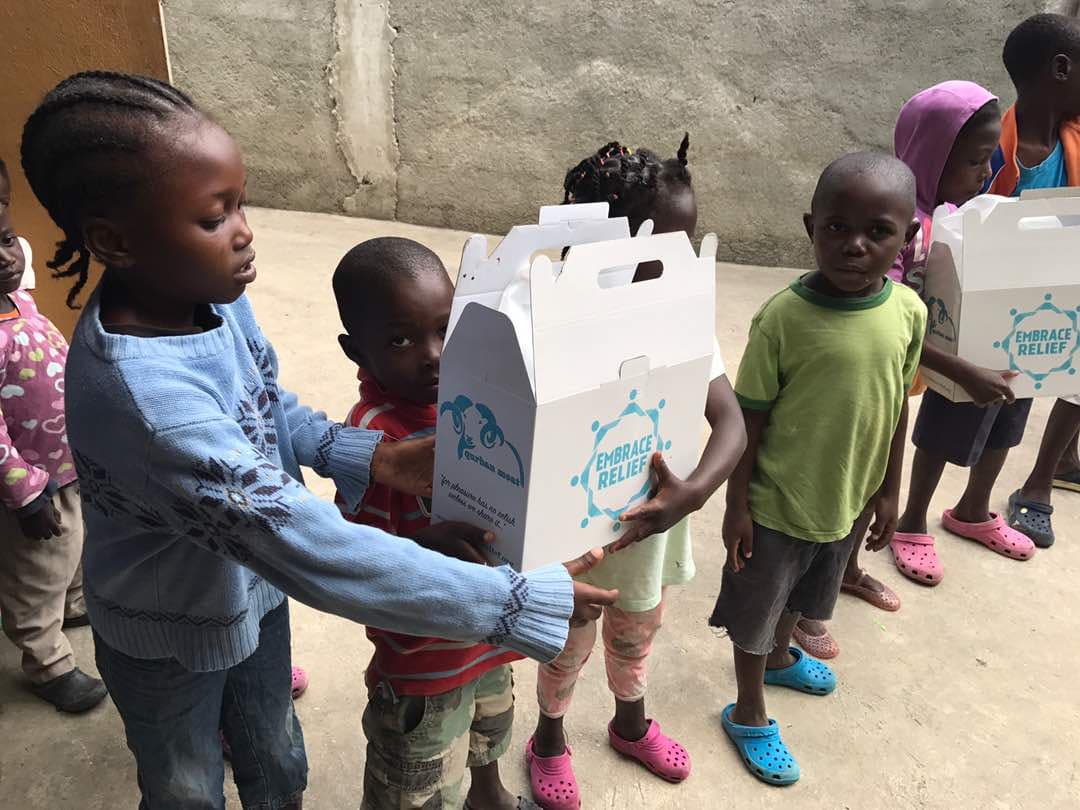
A Ramadan food package is $35 in Africa and $55 in the US, Greece and Yemen. One child's iftar meal is $4.
In Ramadan 2025, Embrace Relief's food packages reached 176,000 people in 22 countries.
Giving is at the heart of Ramadan. The month teaches self-control and gratitude, and it asks believers to turn those feelings into action for people who are hungry. Whether you give zakat, sadaqah, or a Ramadan food package, a gift made in this month carries special meaning. Ramadan 2027 is expected to begin around February 8, depending on moon sighting.
Why does charity matter so much in Ramadan?
Fasting gives believers a small taste of hunger. Many families around the world live with it every day, not only for a month. Giving in Ramadan turns that experience into mercy. Ibn Abbas (may Allah be pleased with him) reported that the Prophet (peace be upon him) "was the most generous of people, and he was most generous in Ramadan" (Bukhari and Muslim).
Giving also purifies. Zakat purifies wealth, and sadaqah purifies the heart from stinginess. Many Muslims choose Ramadan as the month to give because the reward for good deeds is great and because it creates a yearly habit of generosity.
Ways to give in Ramadan
| Type of giving | What it is | Learn more |
|---|---|---|
| Zakat | The obligatory 2.5% on wealth above the nisab. Many pay in Ramadan, though it is not required to be paid then. | When should I pay zakat? |
| Sadaqah | Voluntary charity in any amount. | Zakat vs. sadaqah |
| Kaffarah | Required giving for certain missed or broken fasts. Ask a scholar about the rule that applies to you. | Ramadan page |
| Food packages and iftar meals | Direct food aid for families and children who are hungry. | See below |
What your Ramadan gift provides
- $35 in Africa: a food package for one family.
- $55 in the United States, Greece or Yemen: a food package for one family.
- $4: one iftar meal for an orphaned child. See how to provide iftar for orphans.
In Ramadan 2025, Embrace Relief delivered 30,000+ Ramadan food packages, reaching 176,000 people in 22 countries. Our domestic Ramadan food drive distributed 8,000+ lbs of food across six US states and supported 2,260 people. Packages include staples, nutritious snacks and cooking items so families can break their fast with dignity.
Make your fasting a reason to give
- 1Set a daily giving goal. Even a small amount each day adds up by the end of the month.
- 2Give for the people you are fasting with. Some families give one meal's cost for every day they fast.
- 3Plan early. Decide your zakat and sadaqah before Ramadan so you can give on the days you choose, including the last ten nights.
- 4Invite your family and friends. Giving together makes the habit stronger.
For more ideas, read 10 ways to give back during Ramadan.
This article is general information, not religious or tax advice.
Frequently asked questions
Why is giving important in Ramadan?
Fasting teaches empathy for people who are hungry, and the Prophet Muhammad (peace be upon him) was most generous in Ramadan. Giving purifies wealth and the heart.
Do I have to pay zakat in Ramadan?
No. Zakat is due on your own zakat date, but many Muslims choose Ramadan to give.
How much is a Ramadan food package?
A Ramadan food package is $35 in Africa and $55 in the United States, Greece and Yemen.
What is kaffarah?
Kaffarah is required giving for certain missed or broken fasts. Embrace Relief's Ramadan page offers a donation path for it. Please ask a scholar about the rule that applies to you.
What did Embrace Relief do in Ramadan 2025?
Embrace Relief delivered 30,000+ food packages reaching 176,000 people in 22 countries, and distributed 8,000+ lbs of food across six US states.