Halfway to the Global Goals: Challenges ahead, but hope persists
In 2023, the world reaches the halfway point to the 2030 Sustainable Development Goals. While progress has stalled on key targets like poverty and climate action, global leaders emphasize the urgent need for multilateral cooperation, human rights, and innovative solutions to keep the promise of the SDGs alive.
The useful part before the long read.
Only 15% of the UN's 2030 Agenda targets are currently on track, with setbacks from the pandemic, conflict, and climate change.
Experts warn that by 2030, over 575 million people could remain in extreme poverty and global temperatures may hit critical tipping points.
Achieving the goals requires a shift from unilateral actions to a framework of multilateralism, respecting human rights and democratic values.
Embrace Relief’s humanitarian programs, such as the Clean Water Initiative, directly contribute to multiple SDGs including health, gender equality, and zero hunger.
The Midway Point: Evaluating Global Progress
In 2015, the United Nations adopted its 17 Sustainable Development Goals as a blueprint for humanity’s long-term, sustainable peace, happiness, and prosperity by 2030. Our current year, 2023, marks the midway point of this timeline and provides us all with a chance to step back and evaluate our progress toward achieving these goals. Unfortunately, an honest examination of this progress reveals that the world still has a long way to go.
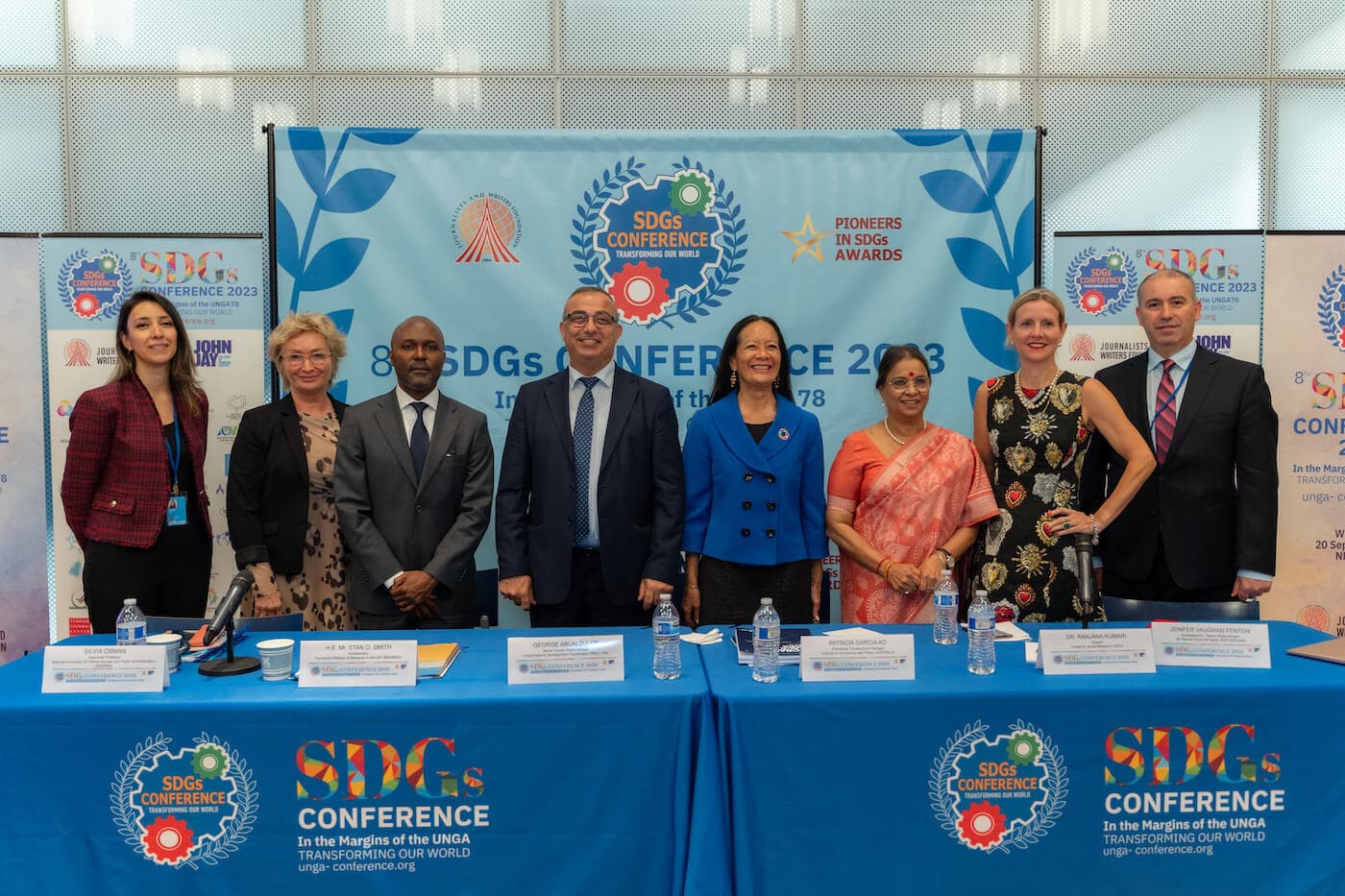
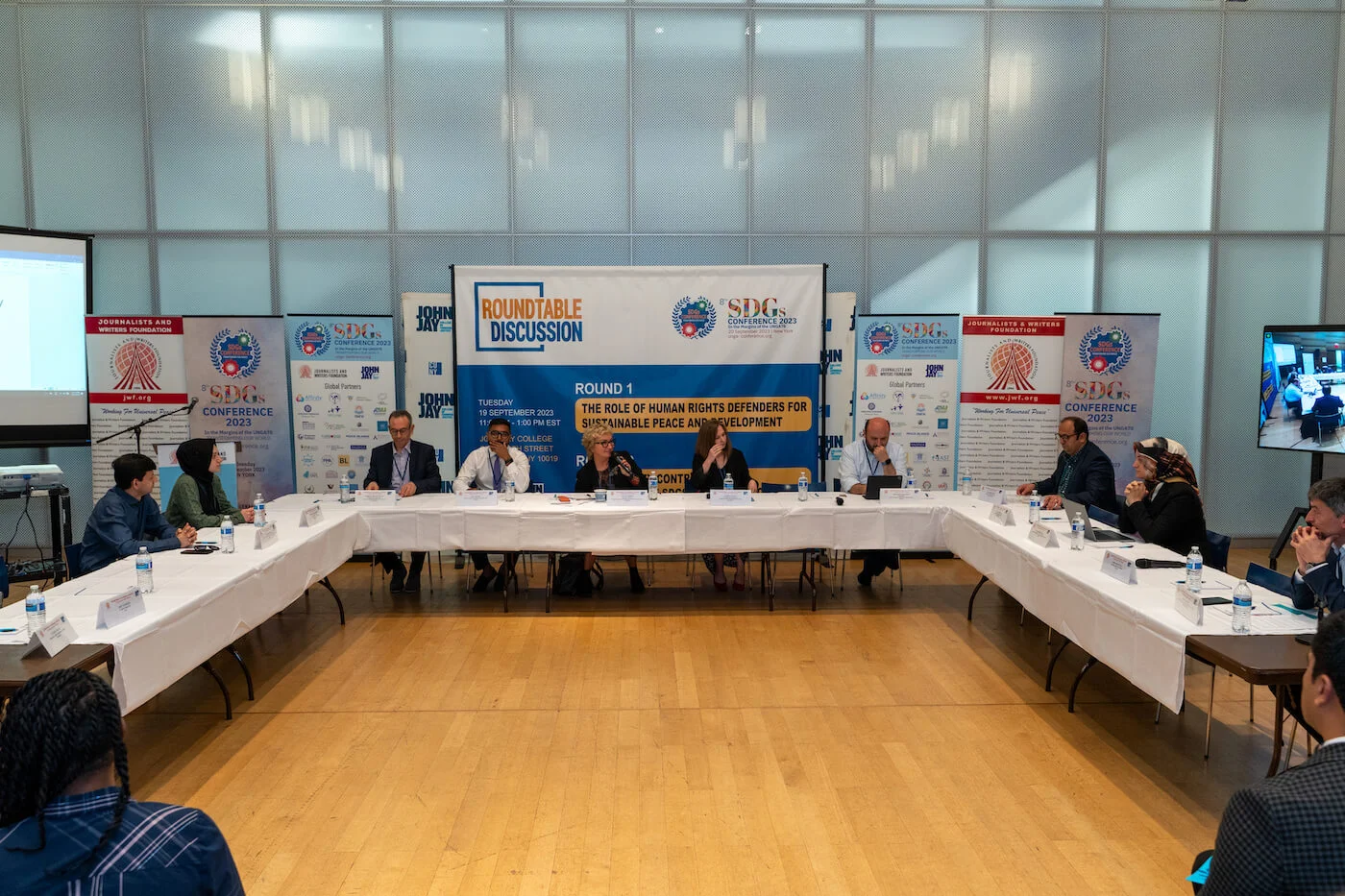
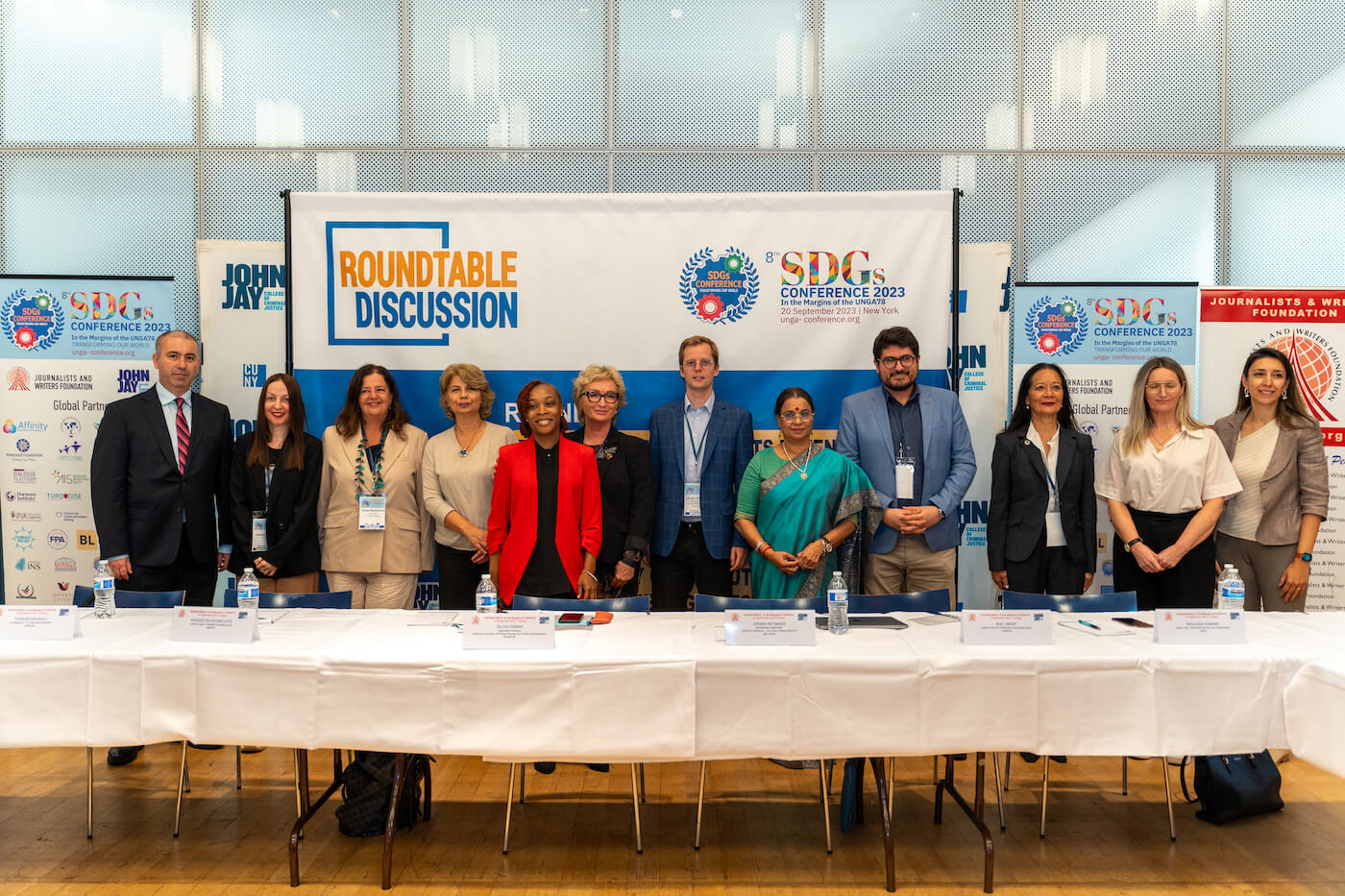
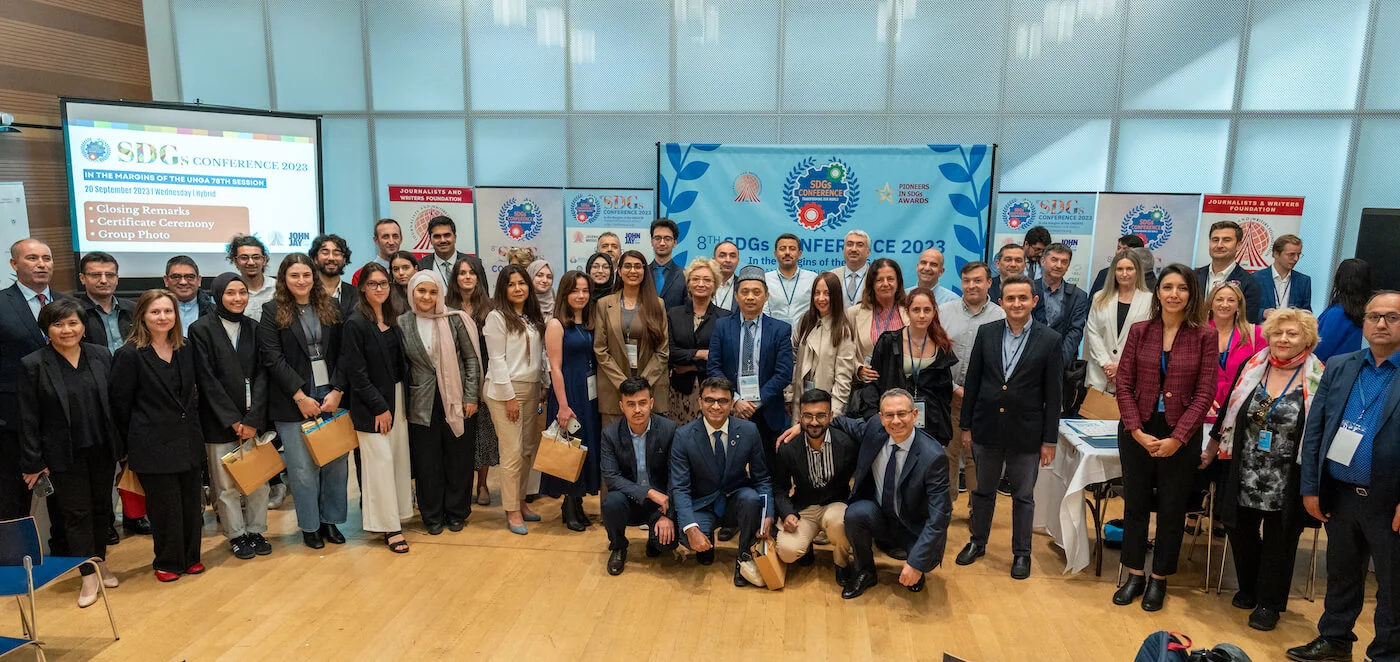
Taking stock of the past seven years of global development and exploring ways to build momentum for the next seven were the key themes of the SDGs Conference 2023, a two-day event featuring discussions with notable diplomats, academics, journalists, and civil society leaders. The Journalists and Writers Foundation organized the conference, held Sept. 19-20 at John Jay College of Criminal Justice in New York, in the margins of the 78th UN General Assembly. Embrace Relief is a proud global partner of the Journalists and Writers Foundation and was a presenting partner for this event.
The conference featured a two-part roundtable discussion on Sept. 19, followed by three-panel discussions on Sept. 20, each one focused on a different aspect of the challenges that must be overcome in order to keep the promise of the SDGs.
The State of the SDGs
Universal, Shared Challenges to Development
Based on current trends, noted George Abualzulof, senior human rights advisor for the UN Development Coordination Office, by 2030, more than 575 million people will be trapped in extreme poverty, and 84 million children will be out of school. Global climate trends indicate that Earth’s global temperature will reach the “tipping point” of 1.5 degrees above pre-industrial levels by 2035, leading to catastrophic sea-level rise and exacerbating the already-frequent heat waves, droughts, flooding, and wildfires. These are just a few of the SDG targets that are far from being met currently.
The Goals serve as “the clearest blueprint for humanity’s highest aspirations,” Abualzulof said, because they call for the addressing of basic human needs to live free of poverty (SDG 1) and free of hunger (SDG 2), with access to clean water (SDG 6), health care (SDG 3), education (SDG 4) and a habitable planet (SDG 13) guaranteed for all. A world in which the goals are met is a resilient, prosperous, and harmonic world – but, multiple panelists noted, it is a world that is far from our current reality.
Disaster Relief
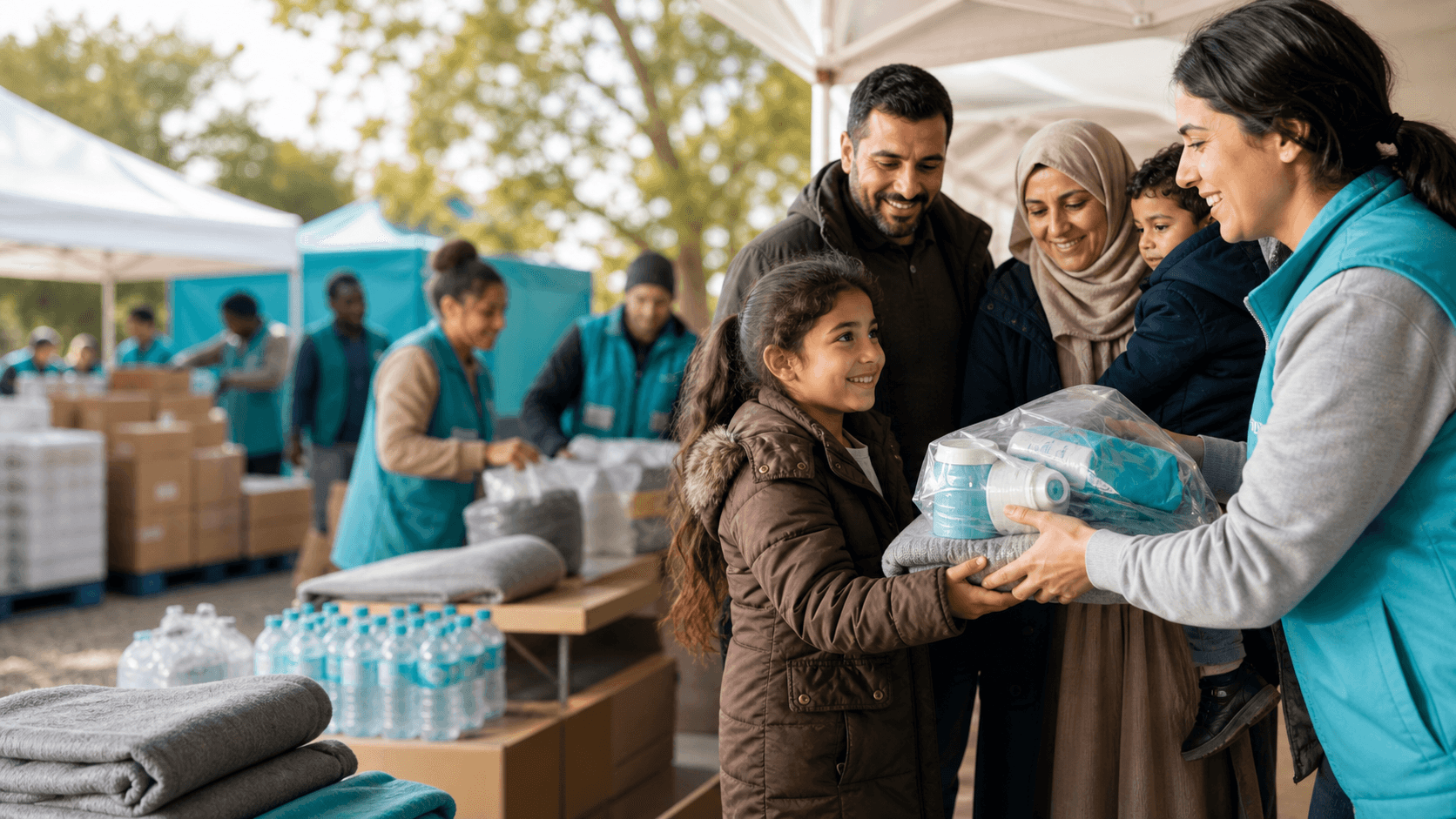
Help families recover from emergencies with food, shelter, supplies, and urgent support.
“What we are experiencing now is a collective failure,” Abualzulof said. “Inequality has worsened, strikingly also for women and girls. More people are being denied health care and education. The climate crisis is causing destruction of lives and livelihoods. This collective failure will impact every country, but the burden falls most heavily on developing countries and the world’s poorest and most vulnerable people.”
Other panelists delved deeper into the wide range of challenges. Patricia Garcia of Australia’s Institute for Economics and Peace described the role conflict plays in holding back development worldwide. In 2022 alone, IEP research revealed that the economic cost of international conflict and military expenditure was a staggering $17.5 trillion, approximately $2,200 for every person on the planet.
“Imagine what good we could do with this money instead of spending it on violence,” Garcia said.
The conditions necessary for international peace (SDG 16), Garcia acknowledged, are closely linked to one another and include a well-functioning government, equitable distribution of resources, a free flow of information, good relations with neighbors, a low level of corruption, and a sound business environment. Where these conditions exist, she added, we see societies with the “attitudes, institutions and structures” necessary to advance the goals as well.
Dr. Ranjana Kumari, director of the Center for Social Research in India, championed the importance of giving women a seat at the table as decision-makers and leaders (SDG 5), and urged data collection as a tool for understanding where action is most urgently needed to produce gender equality.
“When you have the data, you can have informed policy and advocacy,” Dr. Kumari said. “It’s extremely important for all of us who are working in different kinds of fields. There is a power in data, where if people understand what is happening, it empowers policymakers to design correct interventions.”
An Emphasis on Human Rights
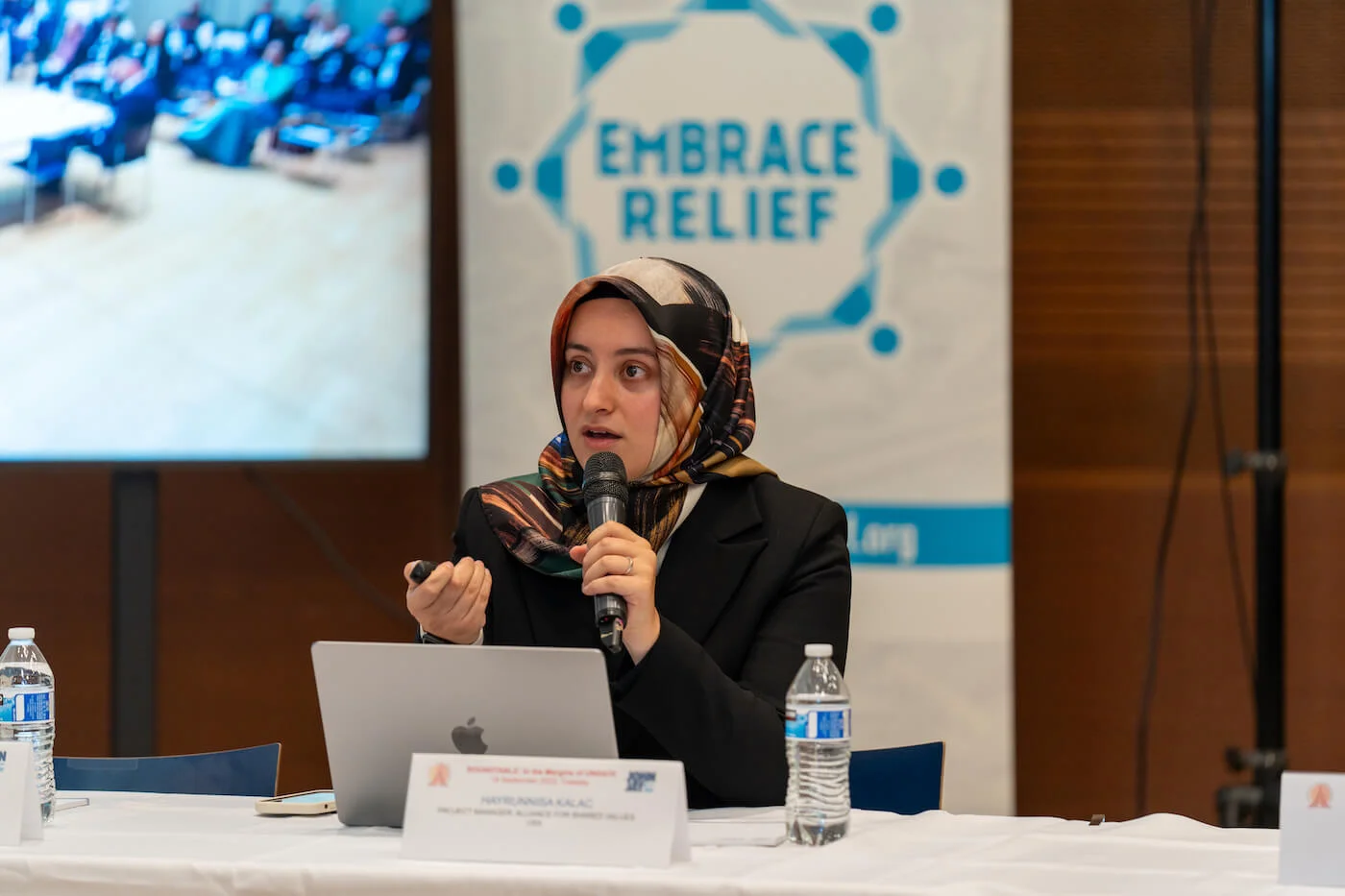
In addition to being the halfway point towards the Agenda for Sustainable Development, 2023 also marks the 75th anniversary of the Universal Declaration of Human Rights, the landmark document that enshrines the fundamental rights and basic freedoms that all people share. During the Sept. 19 roundtable discussion, moderator Silvia Osman urged decision-makers to orient their actions and ideas around a human rights framework. This, she said, would be key to navigating a world where inequality continues to grow, literacy and education rates are in decline, and polarization and atomization are on the rise.
Other panelists discussed the growing specter of autocracy and its effects on achieving the SDGs. The rise of autocratic governments in recent years threatens to undo much of the progress and cooperation achieved thus far, even insufficient as it’s been. Repressive governments cracking down on free expression and press freedom have been a critical obstacle for defenders of human rights. Panelists stressed that these values of freedom are paramount to achieving the SDGs because they foster an open, healthy culture that can critically evaluate the impact of policies on all people in society.
“It is through our collective commitment to democratic values and our ability to adapt to the rise of autocracies that the world’s future depends,” said Naseer A. Faiq, charge d’affaires of the Permanent Mission of Afghanistan to the UN. Mr. Faiq pointed to human rights violations by his country’s ruling government, particularly against women’s rights, as an example of how repressive governments can set back the movement for sustainable development.
“The rise of autocracies poses a formidable challenge to a global order based on democratic values,” he added. “The international community must stand united and maintain its commitment to defending democracy, human rights, and the rule of law, not just when it is convenient, but especially when these principles are under threat.”
How Embrace Relief Fits Into Our Sustainable Future
- Providing access to a reliable, safe source of drinking water moves us closer to achieving Goal 6: Clean Water.
- A reliable, safe supply of drinking water can virtually eliminate the waterborne diseases that kill and harm millions of people in this region each year, producing better public health outcomes in alignment with Goal 3: Health and Well-being.
- When water is in greater abundance, rural communities in the countries we serve have more ability to produce greater amounts and varieties of food, helping to realize Goal 2: Zero Hunger.
- Additionally, a more convenient water source significantly reduces the burden borne by women and girls, who are most often responsible for daily, miles-long journeys to fetch water for their families. A water well can free up time to allow women and girls to pursue education and working careers or to take care of their families, which helps promote Goal 5: Gender Equality.