
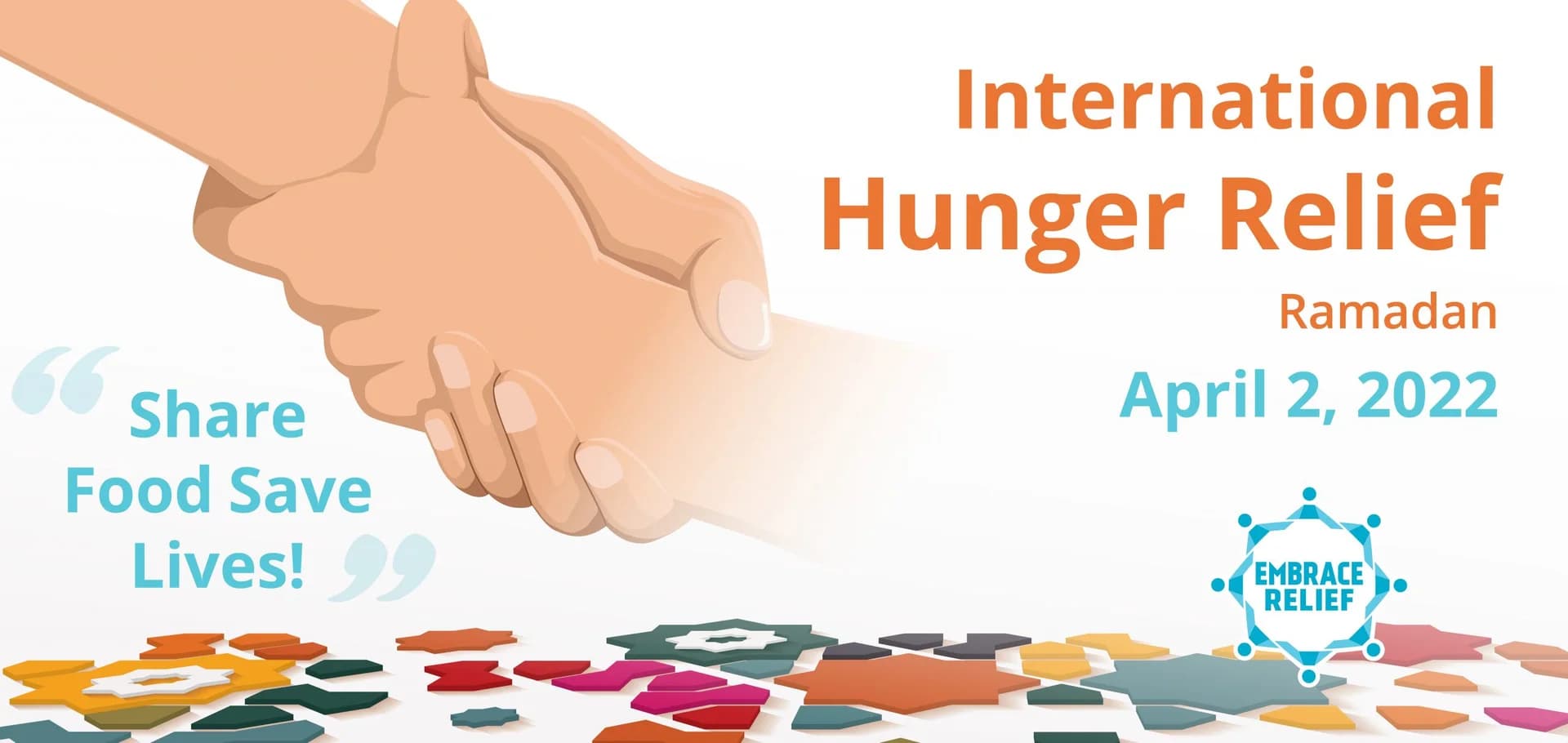
How Much Would It Cost to End World Hunger?
Ending world hunger would take an extra $39–50 billion a year by recent estimates. How many people are hungry, why, and what your donation can do now.
By Embrace Relief Team · Updated November 12, 2026
The useful part before the long read.
About 673 million people faced hunger in 2024, around 8.2% of the world's population (FAO).
A 2024 study by the University of Bonn's ZEF and FAO researchers estimates an extra $39–50 billion a year is needed.
2020 estimates (Ceres2030 and ZEF/FAO) put the extra cost at about $33 billion a year, with donors providing about $14 billion of it.
Hunger rose in Africa, where more than one in five people faced hunger in 2024.
Recent estimates put the cost of ending world hunger at roughly an extra $39 billion to $50 billion a year on top of current spending, if the goal is to be reached by 2030. Earlier studies, published in 2020, estimated about $33 billion a year. The estimate rose because investment stayed too low in the years since, so more has to be done in less time.
How many people are hungry today?
The UN's State of Food Security and Nutrition in the World report (SOFI 2025) estimates that about 673 million people faced hunger in 2024, within a range of 638 to 720 million. That is slightly fewer than the year before, but the picture is uneven. Hunger rose in Africa, where about 307 million people, more than 20% of the population, went hungry, and in Western Asia. Around 2.3 billion people faced moderate or severe food insecurity, meaning they could not count on enough food through the year.
Estimates of the cost to end hunger
| Study | Year | Extra cost per year |
|---|---|---|
| Ceres2030 | 2020 | About $33 billion (about $14 billion from donors) |
| ZEF and FAO, study on investment costs for SDG 2 | 2020 | About $33 billion ($330 billion over ten years) |
| ZEF and FAO researchers, Discussion Paper 347 | 2024 | About $39–50 billion |
These are amounts needed in addition to what governments and donors already spend. They would pay for things like social protection for the poorest families, better seeds and farming methods, irrigation, storage that reduces food loss, and rural roads that link farmers to markets. Sources: ReliefWeb summary of Ceres2030 and ZEF/FAO and ZEF Discussion Paper 347.
Researchers disagree on the exact number because they use different models, time frames and targets. What they agree on is that the cost is small compared with world spending, and that it grows every year action is delayed.
Help a family put food on the table
Give once or monthly from $35 to provide food packages and meals. Embrace Relief Foundation Inc. is a 501(c)(3) nonprofit (EIN 26-2393075), and donations are tax-deductible to the extent allowed by law.
Why hunger is still with us
- Conflict: war destroys farms and markets and blocks aid.
- Climate and disasters: droughts and floods wipe out harvests.
- Poverty and prices: about 2.6 billion people could not afford a healthy diet in 2024, according to SOFI 2025.
- Water: without reliable water, families cannot grow food or stay healthy. See clean water.
What a donation can do while the world catches up
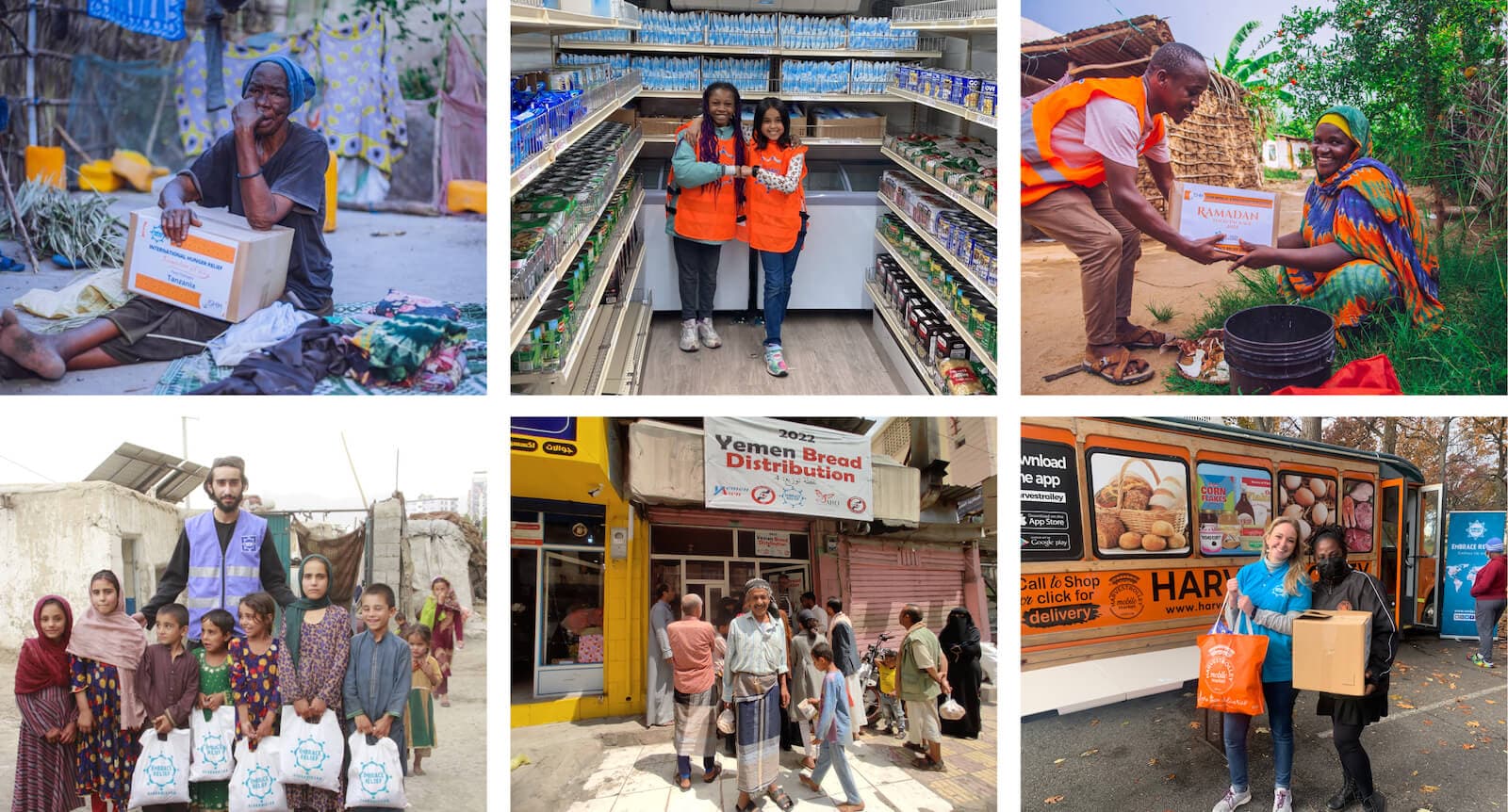
Ending hunger needs governments. Feeding a family this week does not have to wait. Embrace Relief's hunger relief program provides food packages, hot meals and bread through local partners. During Ramadan 2025, Embrace Relief distributed more than 30,000 food packages, reaching about 176,000 people in 22 countries. In the United States, Embrace USA's Thanksgiving Turkey Drive provides a turkey to a family for $25.
Frequently asked questions
How much would it cost to end world hunger?
A 2024 study by ZEF and FAO researchers estimates an extra $39 billion to $50 billion a year to end hunger by 2030. Studies from 2020 estimated about $33 billion a year.
How many people in the world are hungry?
About 673 million people faced hunger in 2024, around 8.2% of the world's population, according to FAO's SOFI 2025 report.
Why has world hunger not been solved?
Conflict, climate shocks, poverty and high food prices keep people hungry, and current spending on food security is below what studies say is needed.
Where is hunger rising?
According to SOFI 2025, hunger rose in Africa, where more than 20% of the population faced hunger in 2024, and in Western Asia.
How can I help end hunger?
You can donate to hunger relief programs that provide food packages and meals, support local food drives, and back long-term work such as clean water that helps families grow food.