How to Say Happy Eid in Different Languages Around the World
Explore how Muslims around the world say "Happy Eid" in different languages, from Arabic and Urdu to Turkish and Swahili, celebrating unity and joy across diverse cultures.
The useful part before the long read.
"Eid Mubarak" is the most common greeting globally, meaning "Blessed Eid."
Greetings vary by region, such as "Selamat Hari Raya" in Southeast Asia and "Bayramınız Mübarek Olsun" in Turkey.
In Western countries, "Eid Mubarak" is widely used in English-speaking settings.
Sharing Eid greetings fosters global unity and connects diverse Muslim communities.
Introduction to Global Eid Greetings
Eid is a time of joy, prayer, reflection, and togetherness. Whether it’s Eid ul-Fitr or Eid ul-Adha, Muslims across the world greet each other with warm wishes of peace and happiness. While the sentiment remains the same, the words used to say “Happy Eid” vary from country to country.
This guide explores how Muslims express Eid greetings in different languages, giving you a global view of how this beautiful celebration unites diverse communities with one universal message: peace, gratitude, and joy.
Common Eid Greeting in Arabic
- Meaning: Blessed Eid
- Widely used across the Middle East, North Africa, and by Muslims globally.
- Meaning: Happy Eid
- Often used interchangeably with Eid Mubarak.
South Asia: Urdu, Hindi, Bengali
- Common in Pakistan and spoken by Urdu-speaking communities worldwide.
- Used by Indian Muslims and Hindi speakers.
- Slight variation in script but retains the Arabic origin and pronunciation.
Southeast Asia: Malay and Indonesian
- Meaning: Happy Eid celebration (Eid ul-Fitr or Eid ul-Adha)
- Common greeting in the world’s most populous Muslim country.
Turkey and Central Asia
- Meaning: May your Eid be blessed
- Used during both Eid ul-Fitr and Eid ul-Adha
- Meaning: Blessed Qurbani Eid (used during Eid ul-Adha)
- Traditional greeting for Eid ul-Adha in Uzbekistan
Africa
- Used in Kenya, Tanzania, Uganda, and parts of the Swahili Coast
- Popular in Nigeria, Niger, and surrounding countries
- Common in Somalia and among Somali communities globally
Western Countries
In the United States, Canada, the UK, and Europe, Muslims often use “Eid Mubarak” in English-speaking settings. In multicultural gatherings, you may hear multiple versions depending on the ethnic diversity of the Muslim community.
Celebrate Globally, Give Locally
Eid greetings are more than just words—they represent unity, joy, and faith shared across borders. Whether you say “Eid Mubarak,” “Bayramınız Mübarek Olsun,” or “Selamat Hari Raya,” you are part of a global celebration.
This Eid, share more than greetings. Support a cause that brings joy to others. Through Embrace Relief, your donation can help deliver food, clean water, and vital support to those in need.
Make your Eid meaningful. Donate through Embrace Relief: https://www.embracerelief.org/charitable-donation-for-hunger-relief/qurbani/
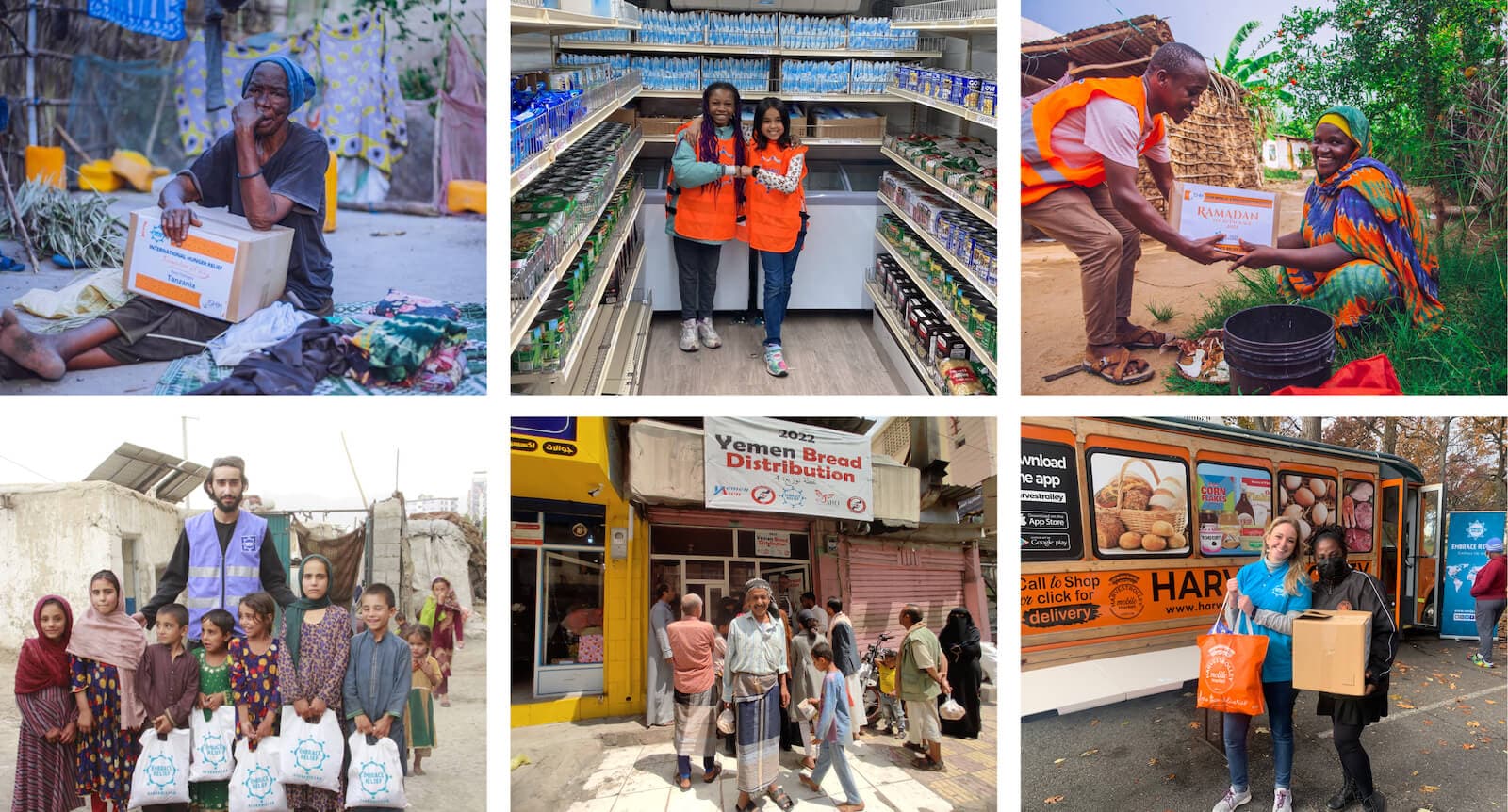
Hunger Relief
Provide meals, food baskets, and emergency nutrition support for families facing hunger.
Final Thoughts
Language may differ, but the spirit of Eid is universal. Use these greetings to connect with Muslims worldwide and spread the joy of Eid. No matter how you say it—Happy Eid, Eid Mubarak, Selamat Hari Raya—your words have the power to unite hearts.
From all of us: Eid Mubarak!