
How Virtual Education is Preparing Students for the Rise of Remote Work
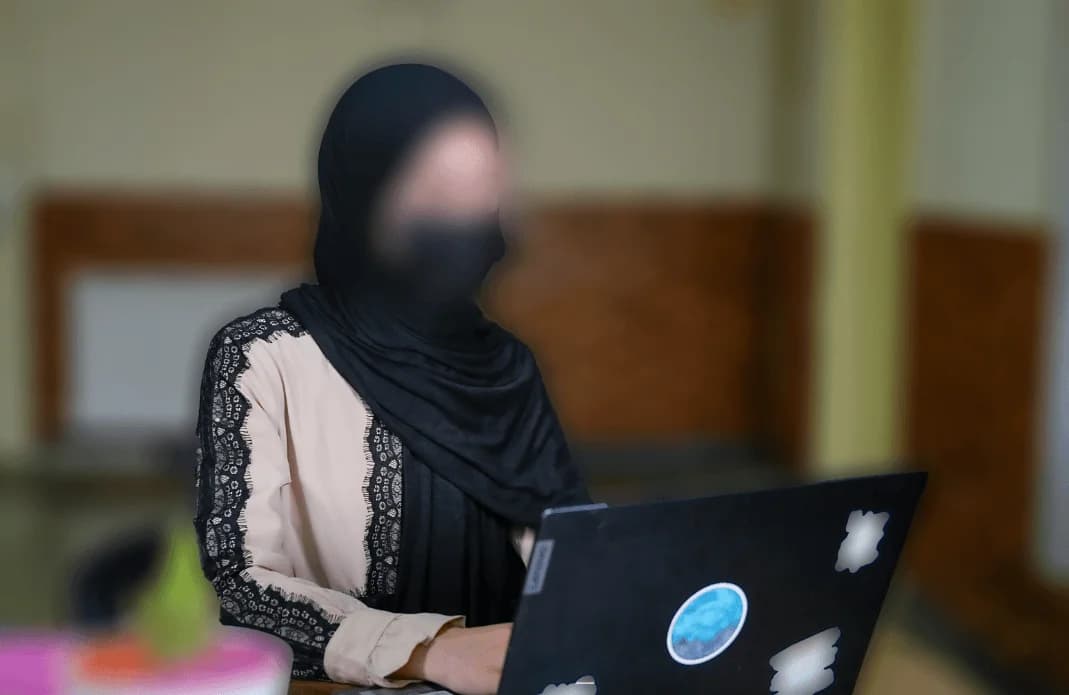
Virtual education is equipping students with essential digital literacy, flexibility, and adaptability for the rising remote work market. Embrace Relief’s L.E.A.R.N. program exemplifies this by providing online education to Afghan girls, empowering them with skills for the global digital economy.
The useful part before the long read.
Remote work is becoming a permanent fixture, with 58% of the U.S. workforce having remote options.
Virtual education builds critical digital literacy, self-management, and technological adaptability.
Online learning removes geographical barriers, allowing access to global opportunities and diverse teams.
Embrace Relief’s L.E.A.R.N. program sponsors Afghan girls’ education, preparing them for remote IT and teaching roles.
The Rise of Remote Work and Virtual Education

The landscape of work is rapidly changing, with remote work becoming a permanent fixture in many industries. In fact, nearly 58% of the U.S. workforce has the option to work remotely at least part-time, according to a study by McKinsey & Company in 2023. The rise in remote work is driven by advancements in technology, changing attitudes towards work-life balance, and the global shift necessitated by the COVID-19 pandemic. As businesses continue to embrace flexible work models, the demand for workers equipped with digital skills and remote work capabilities has surged. This shift underscores the importance of virtual education in preparing students for the future job market.
Virtual education has emerged as a key player in preparing students for the evolving job market. It not only provides access to quality education but also teaches students essential skills needed for remote work. Here are some key ways virtual education is making a difference:
- 1. Digital Literacy and Skills Development: Virtual learning environments require students to navigate various digital platforms, manage online resources, and engage in virtual communication. This exposure helps students build digital literacy—a critical skill for remote work. According to the World Economic Forum, digital skills, such as managing digital workflows and understanding cloud-based tools, were among the top skills required by employers in 2023.
- 2. Flexibility and Self-Management: One of the most significant benefits of virtual education is the flexibility it offers. Students learn to manage their time effectively, balance multiple tasks, and work independently—skills that are directly transferable to remote work settings. A report by Gallup found that flexibility and the ability to work independently are among the top attributes of successful remote employees.
- 3. Access to Global Opportunities: Virtual education removes geographical barriers, allowing students to access global learning opportunities and connect with peers and educators from around the world. This exposure not only broadens their perspectives but also prepares them to work in diverse, international teams—a common scenario in remote work environments.
- 4. Adaptability to Technological Tools: As virtual education relies heavily on technology, students become adept at using a wide range of digital tools, from video conferencing software to collaborative platforms. This adaptability is crucial as the remote work landscape continues to evolve with new technologies. A survey by LinkedIn Learning revealed that adaptability is one of the top soft skills employers seek, alongside proficiency in technology.