
Is Sewing Hard? Exploring the Challenges and Rewards
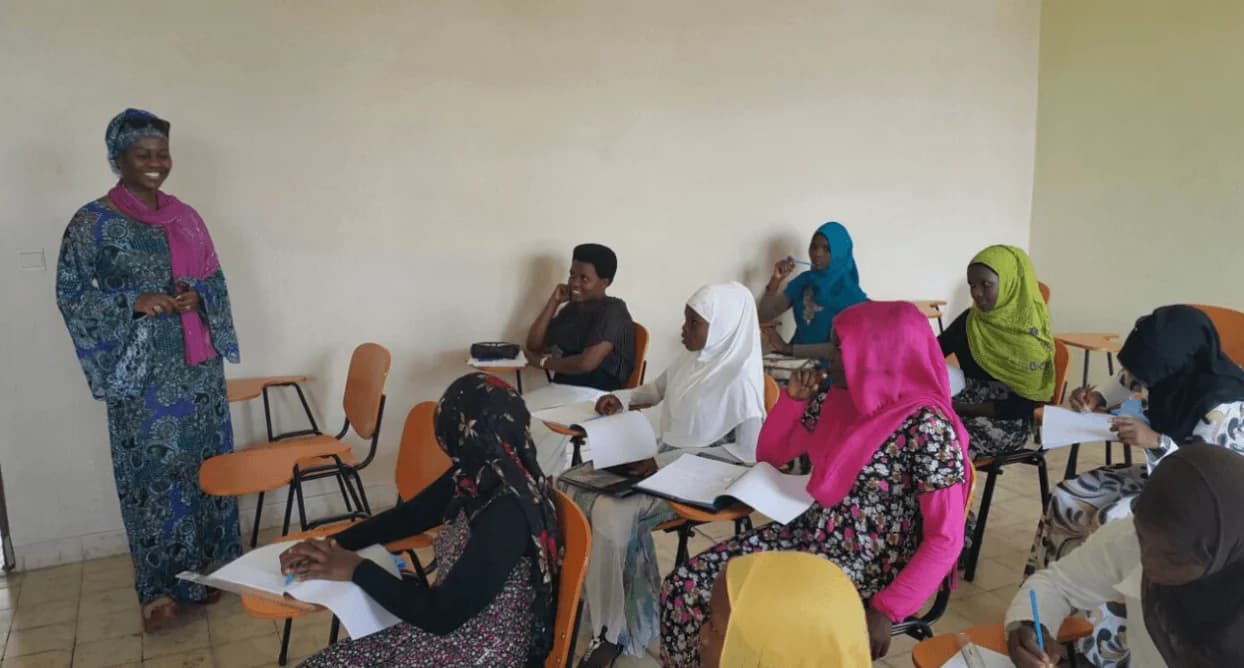
Sewing presents initial challenges like precision and fabric handling, but offers creative and economic rewards. Embrace Relief’s KEEN program empowers women in Kenya by providing sewing training and machines to build sustainable businesses.
The useful part before the long read.
Sewing requires patience and practice to master precision, terminology, and fabric handling.
The craft offers rewards including creativity, sustainability, cost savings, and a sense of accomplishment.
Embrace Relief’s KEEN program provides sewing training and machines to women in Kenya.
Donations support tuition and equipment, helping women achieve economic independence through tailoring businesses.
The Learning Curve of Sewing
Sewing is a craft that has been practiced for centuries, and its allure remains strong today. Many people are drawn to the idea of creating their own clothes, home decor, or gifts, but they often wonder: is sewing hard? The answer depends on several factors, including one’s willingness to learn, practice, and overcome initial challenges. Let’s delve into the process of learning to sew, the difficulties one might encounter, and the immense rewards that come with mastering this timeless skill.
Learning to sew involves understanding the basics of using a sewing machine, selecting fabrics, and following patterns. For beginners, the sheer volume of new terms and techniques can seem overwhelming. Terms like “basting,” “hem,” and “seam allowance” become part of the new vocabulary. Additionally, getting comfortable with a sewing machine—learning to thread it, troubleshoot common issues, and maintain it—requires patience and practice.
Common Challenges and Rewards
Several common challenges come with learning to sew:
- 1Precision and Patience: Sewing requires a high level of precision. Cutting fabric accurately, stitching straight lines, and following detailed patterns can be difficult for beginners. Mistakes are common and can be frustrating, but they are also part of the learning process.
- 2Time and Practice: Like any new skill, sewing takes time to master. The first few projects may not turn out as expected, and it’s essential to keep practicing and not get discouraged by initial setbacks.
- 3Understanding Fabrics: Different fabrics behave differently when sewn. Some are slippery, others are stretchy, and each type requires specific techniques and adjustments. Gaining experience with various materials is crucial for becoming a proficient sewer.
Despite these challenges, the rewards of learning to sew are numerous. Sewing allows for endless creativity, enabling individuals to create unique clothing, accessories, and home decor items that reflect personal style and taste. It also encourages a sustainable lifestyle by promoting the making and mending of clothes, thus reducing waste and avoiding the fast fashion industry’s pitfalls. Economically, sewing can lead to significant savings over time, as individuals can create or repair their own items instead of purchasing new ones. Perhaps most importantly, completing a sewing project provides a tremendous sense of accomplishment. The ability to wear or use something made with one’s own hands is incredibly fulfilling and boosts confidence.
Disaster Relief
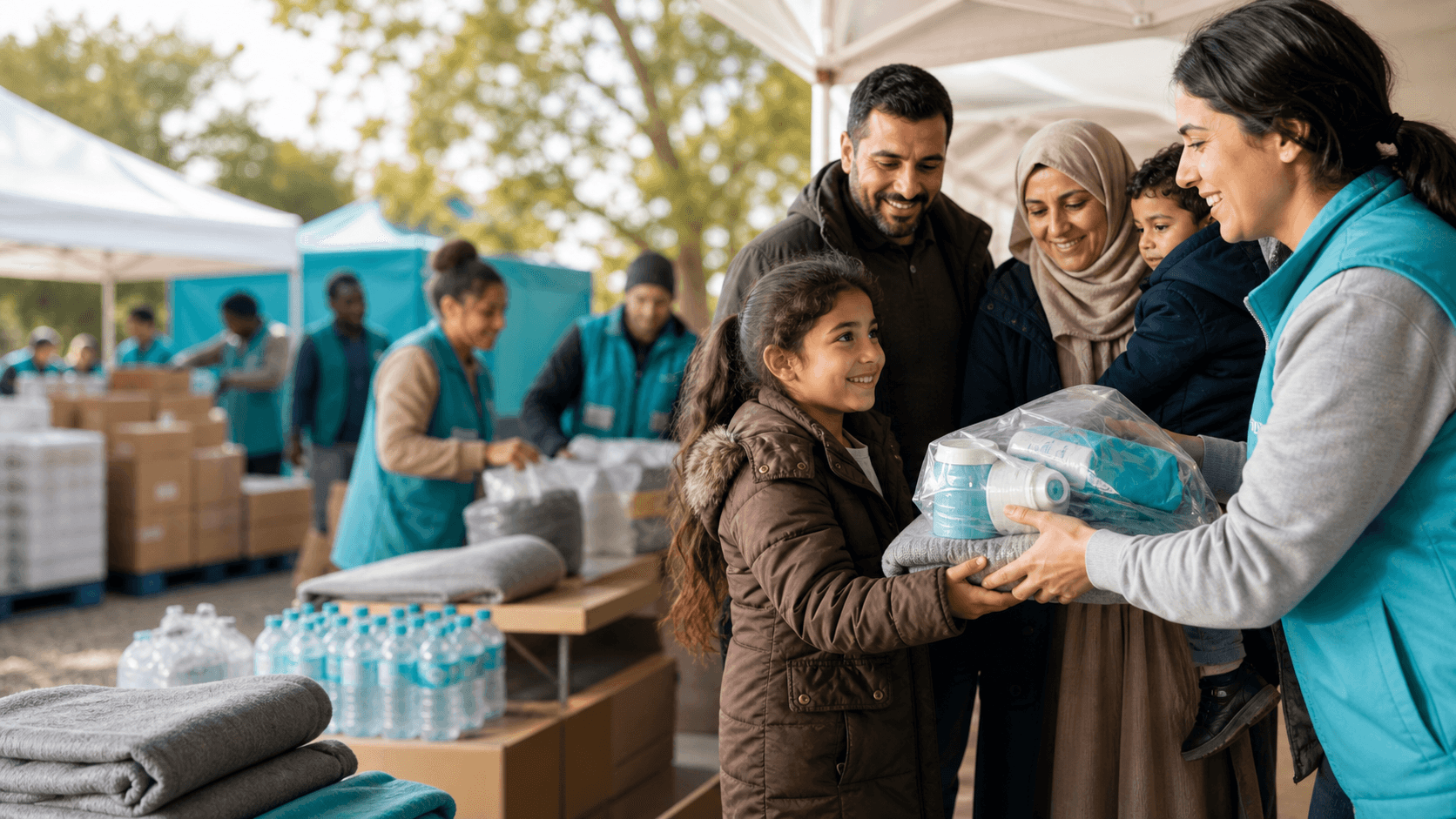
Help families recover from emergencies with food, shelter, supplies, and urgent support.
Empowering Women through Sewing: The KEEN Program
Embrace Relief’s KEEN (Knowledge, Education, Empowerment, and Networking) program leverages the power of sewing to empower women in Kenya. Through KEEN, women receive training in sewing and entrepreneurship, enabling them to build sustainable businesses and achieve economic independence. Just $110 can pay for a woman’s tuition and cover the cost of her sewing machine!
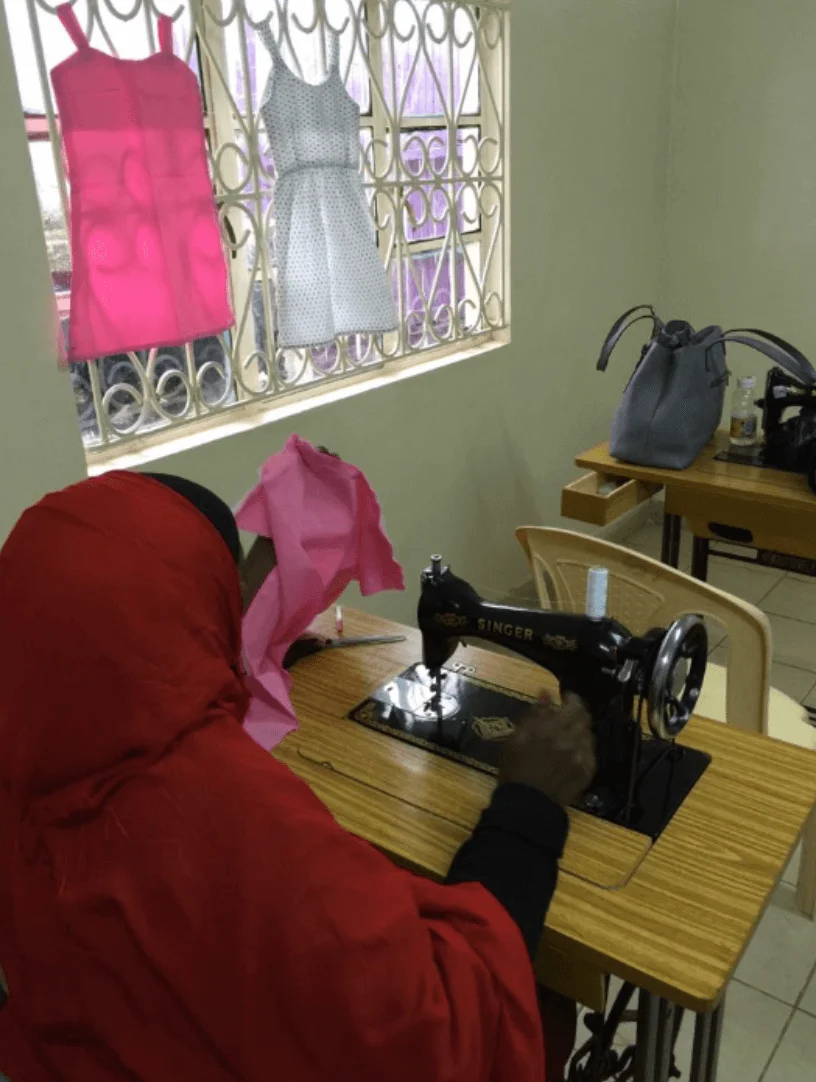
Since its inception, the KEEN program has transformed the lives of many women. By providing sewing machines, materials, and comprehensive training, KEEN equips women with the skills needed to start their own tailoring businesses. This not only improves their financial situation but also boosts their confidence and social standing within their communities.
One of the remarkable aspects of the KEEN program is its focus on real-world application. Graduates of the program have gone on to create successful businesses, making clothes, school uniforms, and other products in high demand. These enterprises provide a stable income, allowing women to support their families and contribute to their local economies.
Your support is crucial in continuing this transformative work. By donating to the KEEN program, you are helping to provide women with the tools and training they need to achieve economic independence. A donation of $15 per month can give these women in Kenya a new life. Together, we can make a lasting impact and empower more women to lead better lives.
For more information on Embrace Relief’s K.E.E.N. program, click here!