
Making the Most of Ramadan When You Can’t Fast
Ramadan is more than fasting. Discover how to stay spiritually connected through prayer, charity, and self-reflection when health or circumstances prevent you from fasting.
The useful part before the long read.
Islam provides clear exemptions for those unable to fast due to illness, age, or other conditions, emphasizing mercy over suffering.
Spiritual connection during Ramadan can be maintained through prayer, Quran reflection, and practicing self-control in speech and behavior.
Charity and supporting fasting family members are powerful ways to participate in the month's spirit of compassion.
Letting go of guilt and honoring your body's needs allows for emotional healing and a meaningful, personalized Ramadan experience.
Introduction
For many Muslims, fasting during Ramadan is one of the most meaningful acts of worship. From dawn to sunset, the fast becomes a daily rhythm of discipline, reflection, and renewal. But what happens when you can’t fast?
Illness, pregnancy, breastfeeding, medical conditions, travel, or age can make fasting difficult or even harmful. For some, the inability to fast brings feelings of guilt, sadness, or a sense of missing out on the Ramadan experience.
Yet Ramadan is far more than abstaining from food and drink. Its essence lies in intention, faith, compassion, and self-control. Even when fasting isn’t possible, the spirit of Ramadan remains fully accessible.
This blog explores how to make the most of Ramadan when you can’t fast, offering reassurance, perspective, and meaningful ways to stay spiritually connected throughout the month.
Understanding Why Some People Can’t Fast
Islam recognizes that human ability varies. Fasting is a sacred obligation, but it is never meant to cause harm.
There are clear exemptions for those who cannot fast safely, including:
- People with chronic or acute illnesses
- Pregnant or breastfeeding women
- Elderly individuals
- Those taking essential medication
- Travelers facing hardship
These exemptions are not loopholes; they are part of divine mercy. The purpose of fasting is spiritual growth not suffering.
Understanding this is the first step toward embracing Ramadan with peace rather than pressure.
Reframing What Ramadan Truly Is
When fasting becomes the sole focus of Ramadan, it’s easy to feel disconnected if you can’t participate physically. But fasting is only one expression of a much broader spiritual journey.
Ramadan is a month of:
- Faith and mindfulness
- Self-discipline beyond hunger
- Compassion and generosity
- Reflection and renewal
When you shift the lens from “What I can’t do” to “How else I can grow,” Ramadan opens up in new and meaningful ways.
Letting Go of Guilt and Comparison
One of the biggest emotional challenges for those who can’t fast is guilt.
You may compare yourself to others fasting effortlessly. You may feel disconnected during Iftar gatherings or communal conversations. But comparison often hides the deeper truth: devotion looks different for different people.
Your worth in Ramadan is not measured by hours without food. It is measured by sincerity, intention, and effort within your capacity.
Letting go of guilt allows you to experience Ramadan as a source of comfort, not conflict.
Staying Spiritually Connected Without Fasting
Even without fasting, there are countless ways to engage deeply with Ramadan.
Prayer remains a powerful anchor throughout the month. Whether through obligatory prayers or additional voluntary prayers, moments of stillness and reflection nurture spiritual awareness.
You may find that prayer feels more intentional during Ramadan, even without fasting. Lean into that connection.
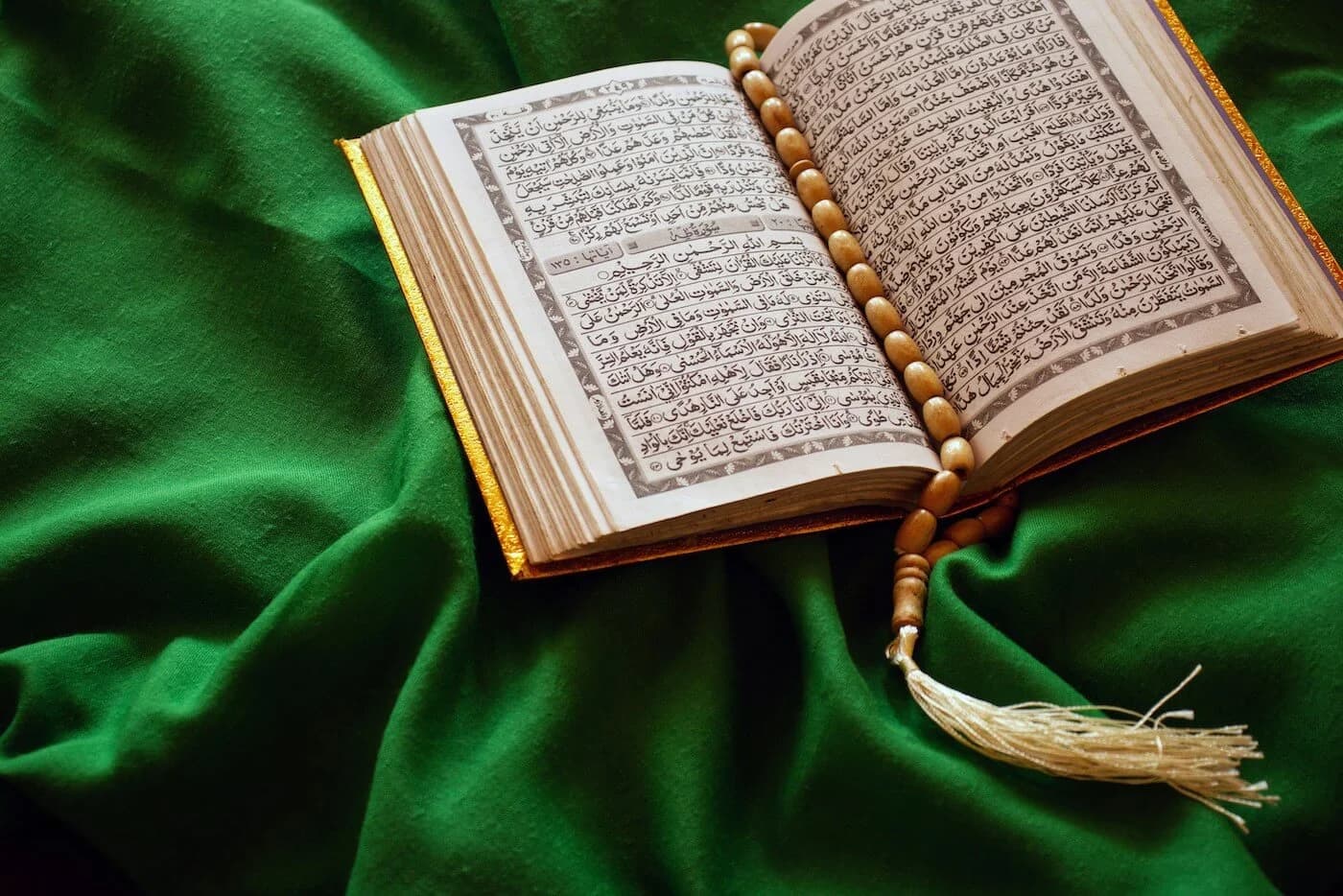
Ramadan is often called the “month of the Quran.” Reading, listening to, or reflecting on its meaning allows you to participate fully in the spiritual rhythm of the month.
You don’t need to complete a set amount or follow a strict schedule. Even a few verses read with focus and sincerity can be transformative.
Self-control is one of Ramadan’s core lessons and it extends far beyond food.
When you can’t fast, you can still practice restraint by:
- Monitoring speech and avoiding gossip
- Managing anger and impatience
- Limiting distractions or unhealthy habits
- Being mindful of time and intention
These forms of self-control often require just as much discipline as fasting and carry deep spiritual value.
Generosity takes on special meaning during Ramadan. Giving becomes a way to transform empathy into action.
You may not be fasting, but you can:
- Support those who are fasting
- Contribute to food distribution or Iftar programs
- Help fund clean water, medical aid, or orphan care
- Offer time, skills, or emotional support
Charity is not secondary to fasting it is one of Ramadan’s pillars. Through giving, you participate in the month’s spirit of compassion and care.
For many who cannot fast, one of the most fulfilling experiences of Ramadan is supporting others who are observing the fast.
This might look like:
- Preparing meals for fasting family members
- Helping with household tasks during fasting hours
- Creating a calm, supportive environment
- Being present during Iftar and prayer times
Supporting others allows you to share in the collective experience of Ramadan even without fasting yourself.
Choosing not to fast when your health requires it is not a failure it is an act of responsibility.
Ramadan teaches balance. Caring for your body is part of honoring the life you’ve been given. Ignoring medical needs out of guilt contradicts the very values Ramadan promotes.
If you are unable to fast, nourishing yourself appropriately and responsibly is not breaking the spirit of Ramadan it is respecting it.
Ramadan often brings buried emotions to the surface. For those unable to fast, these feelings may be more pronounced.
This can be an opportunity rather than a setback.
You might use this time to:
- Reflect on emotional well-being
- Heal from burnout or stress
- Strengthen gratitude and patience
- Practice forgiveness toward yourself and others
Ramadan is not only about physical discipline; it is also about emotional clarity and growth.
Instead of measuring your Ramadan by fasting days, create goals aligned with what you can do.
These goals might include:
- Consistent prayer
- Daily reflection or journaling
- Acts of kindness each day
- Increased gratitude and mindfulness
Personal goals shift Ramadan from a checklist into a meaningful journey shaped by intention rather than limitation.
Feeling isolated during Ramadan is common for those who can’t fast. Staying connected requires intention.
You might:
- Join community prayers or lectures
- Participate in charitable initiatives
- Engage in conversations about reflection and faith
- Attend gatherings without pressure to explain yourself
Ramadan is a communal month. Your presence matters whether you are fasting or not.
Hunger Relief
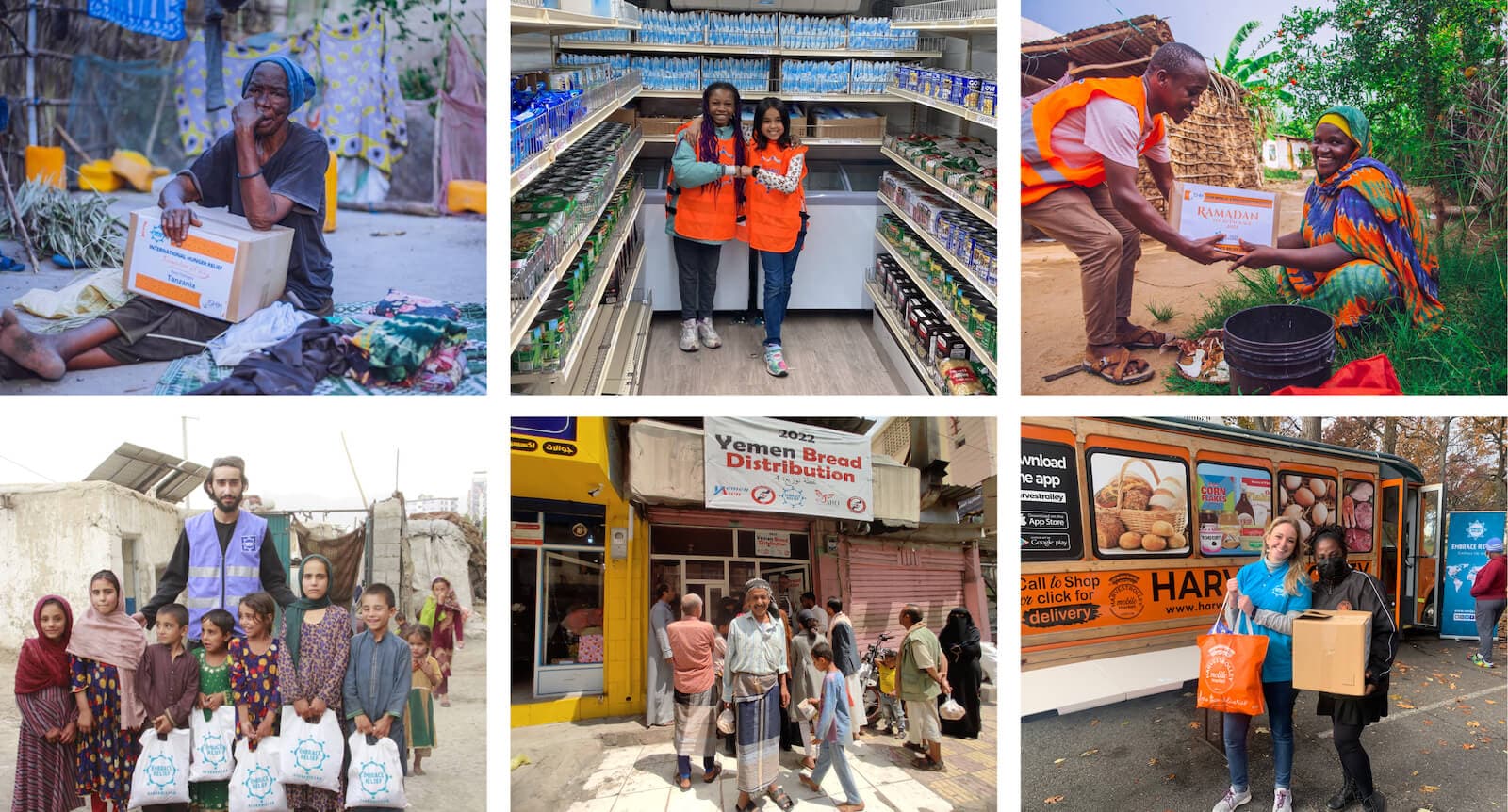
Provide meals, food baskets, and emergency nutrition support for families facing hunger.
What Ramadan Teaches When You Can’t Fast
Ironically, not fasting can sometimes reveal deeper lessons.
It teaches:
- Compassion for personal limits
- Humility in dependence on divine mercy
- Awareness that faith is not performance
- Understanding that devotion has many forms
These lessons are as valuable as fasting itself and often remain long after Ramadan ends.
Ramadan is not an exclusive experience reserved only for those who fast. It is an invitation open to everyone within their capacity.
Your prayers count.
Your intentions count.
Your kindness counts.
Faith is not diminished by circumstance. It is strengthened by sincerity.
Making the most of Ramadan when you can’t fast begins with understanding that the heart of the month lies beyond hunger.
Ramadan is about awareness, compassion, self-control, and connection. When fasting isn’t possible, these values remain fully within reach.
By letting go of guilt, embracing alternative forms of worship, and honoring your capacity, Ramadan can still become a month of growth, peace, and renewal.
Ramadan meets you where you are and offers you exactly what you need.