Maslow’s Theory to the UN’s Sustainability Goals
Embrace Relief applies Maslow’s Hierarchy of Needs to support orphans in Tanzania, aligning humanitarian aid with the UN’s Sustainable Development Goals through vocational training and basic needs provision.
The useful part before the long read.
Tanzania faces a 49.1% poverty rate, with 1.3 million children orphaned by HIV/AIDS facing high risks of malnutrition and unemployment.
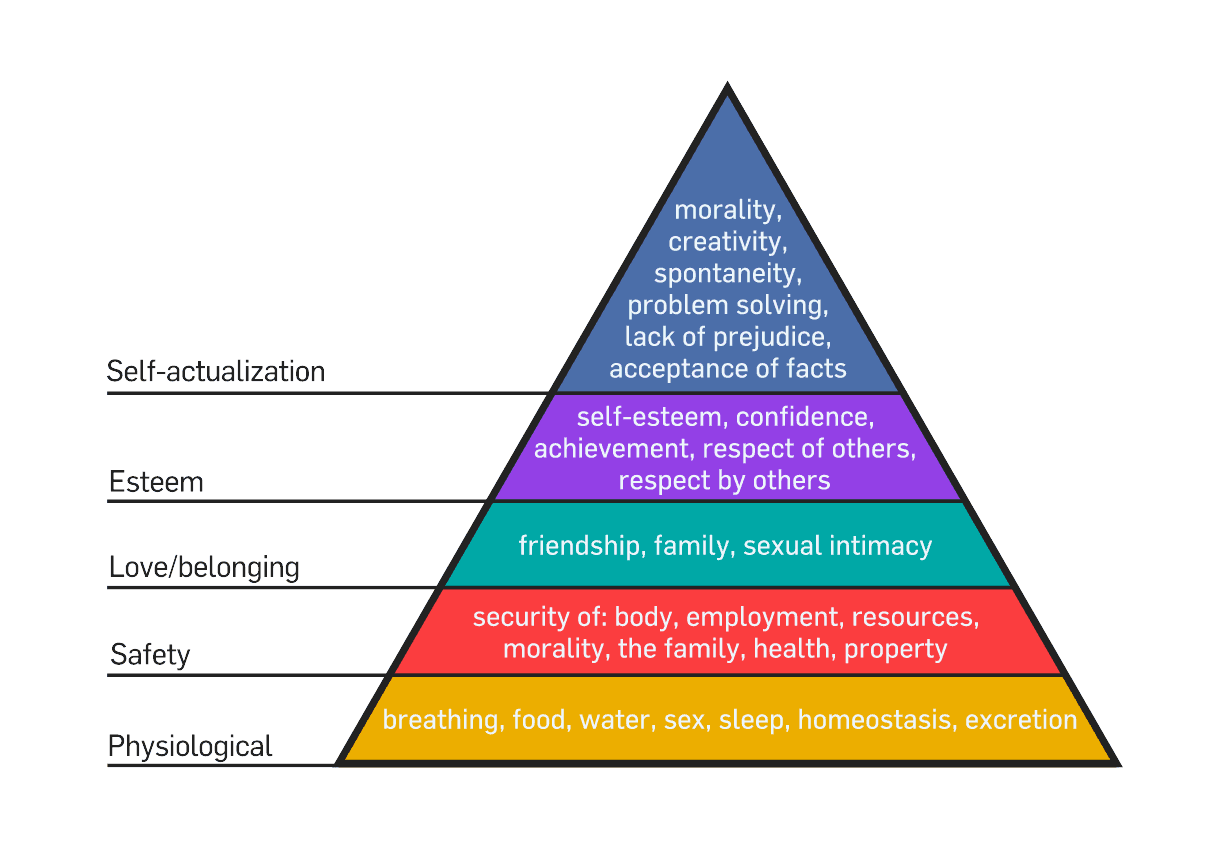
Embrace Relief uses Maslow’s Hierarchy of Needs to address physiological, safety, social, and esteem needs before pursuing self-actualization.
The Dogodogo Centre provides vocational training in carpentry, tailoring, and rescue services, maintaining an 87% graduation rate.
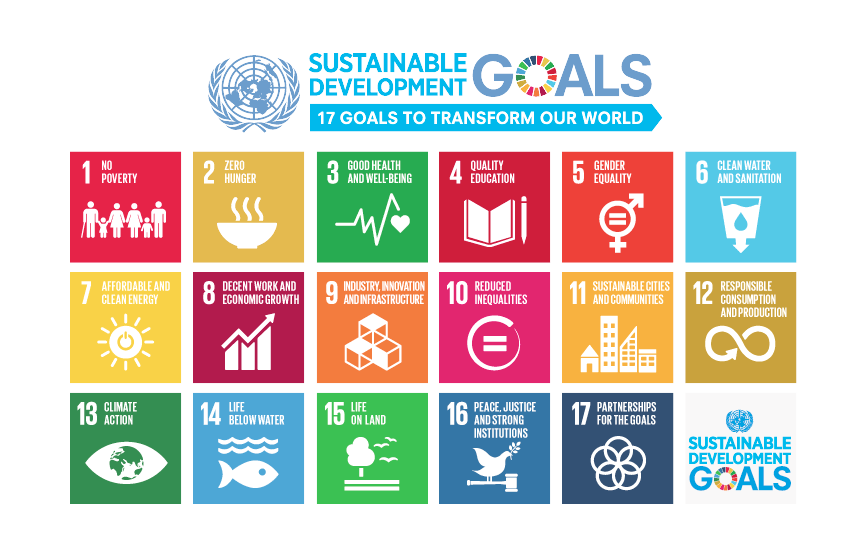
Initiatives support multiple UN Sustainable Development Goals, including No Poverty, Zero Hunger, Quality Education, and Clean Water.
Summary
- The United Nations’ Sustainable Development Goals (SDGs) are guiding principles for how we can make our world peaceful, prosperous, safe, and healthy.
- Maslow’s Hierarchy of Needs is a psychological concept arguing that humans cannot achieve our fullest potential without taking care of our most basic physical and emotional needs.
- Read on to learn about the link between these two ideas, and how Embrace Relief’s humanitarian approach brings us all closer to successfully achieving the SDGs.
Applying Maslow’s Theory in Tanzania
According to Maslow’s Hierarchy of Needs, Basic Needs, comprised of Physiological—food, water, shelter—and Safety needs, form the foundation. Unless they are met, no further development can be made. UNICEF notes that because those orphan children must devote all their time and resources to the acquisition of the basic needs, they cannot receive higher education, employment or participate in society.
Since opening in 1991, the Dogodogo Centre has provided nourishment and refuge to every child that has walked through its doors. Furthermore, by providing a loving environment and community, the Centre meets Maslow’s next two tiers: Social Belonging and Esteem. No longer worried about their basic needs, these children can develop relationships with the staff and with other children. They can learn to trust others, because Embrace Relief and the Centre recognize each child as important and unique.
Additionally, Embrace Relief will open a water well to ensure clean water and proper sanitation for residents of the Centre and their neighbors. To help their charges reach self-actualization, the Centre opened the Bunju Multipurpose Training Centre on September 5, 2003. Providing holistic services to up to 100 young people simultaneously, it offers three-year vocational training and certification in the fields of carpentry, tailoring, fire-fighting and other rescue services.
By the end of 2019, they will launch classes in computer science, secretarial services, welding and electrical work. Two of the three years are spent at the Centre. In the third, students, given the requisite tools for their trade, as well as supervision, are apprenticed to local tradespeople. Thus far, the Centre has maintained an 87 percent graduation rate. Over 430 young people have emerged from the programs with certificates awarded by the Centre and VETA, the autonomous government agency overseeing education and vocational training. Of that number, the bulk are self-employed. Of course, students are also taught English and Mathematics.
Over 500 have passed Standard VII leavers, the standardized test of basic adult education. In light of these achievements, the Centre, aided by Embrace Relief, has made strides toward accomplishing several of the UN’s Sustainable Development Goals including No Poverty, Zero Hunger, Good Health/Well-Being, Quality Education and Decent Work/Economic Growth. Considering that, on average, the Dogodogo Centre supports over 650 girls, mostly from rural areas, per year, they are working toward Gender Equality.
Preserved donation links from the original article: Donate $15, Donate $30, Donate $250, Donate $500, Donate $1,300, Donate $100 (campaign 413), Donate $200 (campaign 413), Donate $300 (campaign 413), Donate $1,300 (campaign 413), Donate $10 (campaign 413).
Lastly, Embrace Relief ensures Clean Water and Sanitation, the sixth SDG. With greater resources dedicated to the Dogodogo Training Centre, the organizations hope to empower Tanzania to reach the rest of the Goals.