
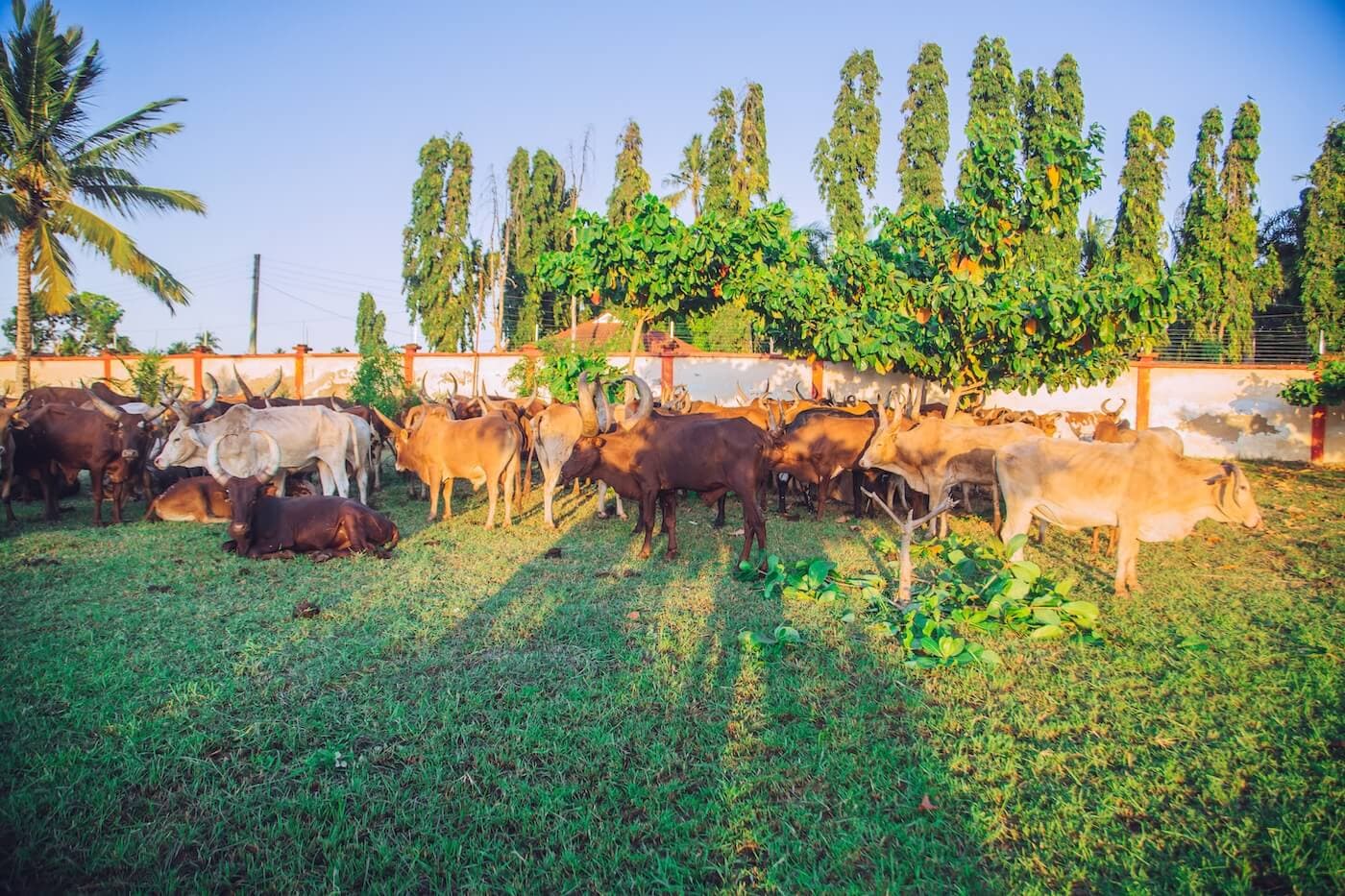
Qurbani Share Donation Explained: Cow, Goat, and Sheep Options
Understand the differences between cow, goat, and sheep Qurbani options. Learn how shares work, religious guidelines, and how to choose the most impactful donation for Eid al-Adha.
The useful part before the long read.
One goat or sheep equals one full Qurbani, while one cow can be shared among up to seven people.
Cow shares are often more affordable and provide a higher meat yield to feed more families in need.
All Qurbani animals must meet strict Islamic conditions regarding age, health, and timing during Dhul Hijjah.
Online donations allow trusted charities to handle sourcing, sacrifice, and distribution to vulnerable communities.
Introduction to Qurbani Shares
During Eid al-Adha, Muslims around the world fulfill their sacred obligation of Qurbani by sacrificing livestock in remembrance of Prophet Ibrahim’s devotion. One of the most common questions donors ask is: Which Qurbani option should I choose—cow, goat, or sheep?
Understanding how Qurbani shares work and the differences between these animals can help you make a more informed, impactful, and meaningful donation.
A Qurbani share represents one person’s obligation fulfilled through sacrifice.
- 1 goat or sheep = 1 full Qurbani (for one person)
- 1 cow or camel = up to 7 shares (shared among 7 people)
This system makes Qurbani accessible to more people, especially those who may not be able to afford an entire large animal on their own.
Each share whether individual or shared is considered a complete Qurbani in the eyes of Islamic law.
Cow, Goat, and Sheep: Key Differences
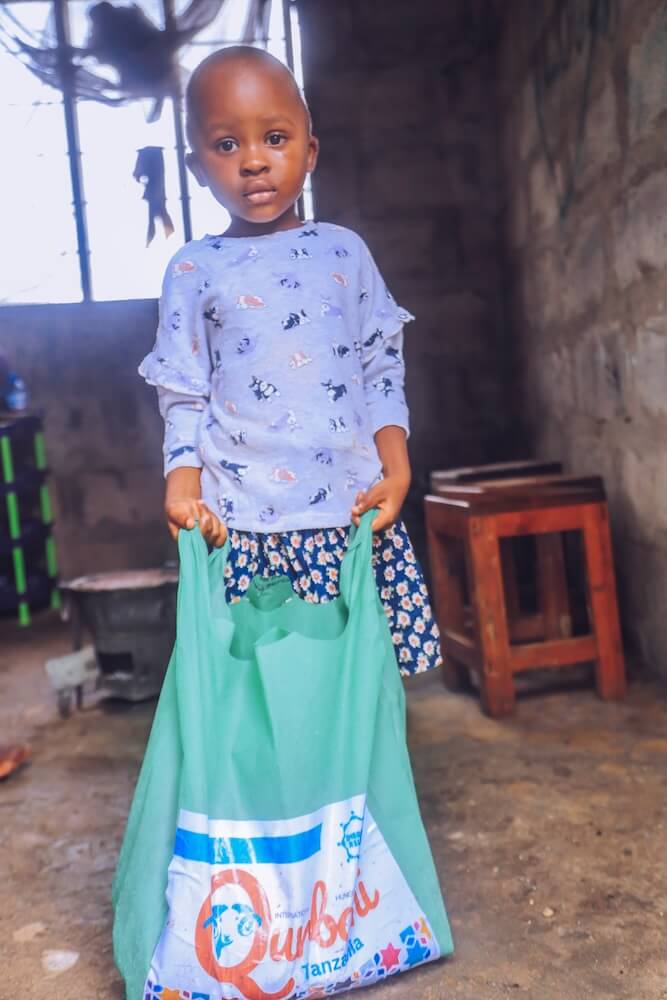
- One goat equals one Qurbani
- Must be at least one year old and healthy
- Ideal for individuals who want a full sacrifice in their name
Goats are one of the most commonly chosen options because they offer simplicity and a direct personal connection to the act of sacrifice.
- One sheep equals one Qurbani
- Can be 6–12 months old if healthy and well-developed
- Similar to goats in terms of eligibility and usage
Sheep are often preferred in certain regions due to cultural practices, but function the same as goats in fulfilling Qurbani.
- One cow = up to 7 shares
- Each share represents one person’s Qurbani
- Must be at least two years old
Cow shares are ideal for:
- Families contributing together
- Budget-conscious donors
- Maximizing charitable impact
Because cows produce significantly more meat, they help feed more families in need.
Choosing the Right Qurbani Option
Your decision depends on a few key factors:
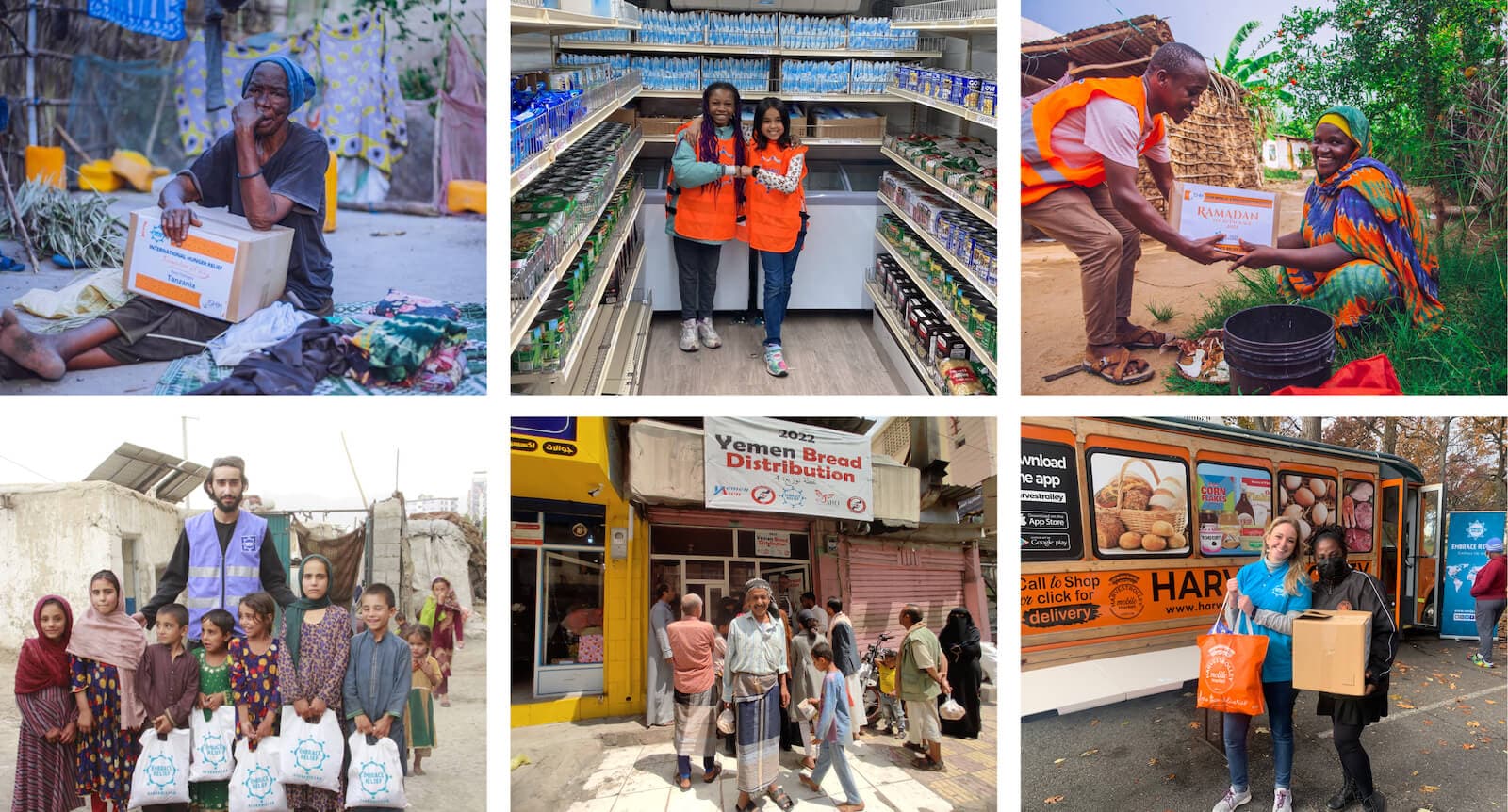
Hunger Relief
Provide meals, food baskets, and emergency nutrition support for families facing hunger.
Cow shares are generally more affordable per person since the cost is divided among seven donors. This makes them one of the most popular options globally.
Some donors prefer a full animal (goat or sheep) to have a complete sacrifice performed solely in their name.
If your goal is to maximize reach and feed more people, cow shares provide the greatest distribution potential due to higher meat yield.
Religious Guidelines and Modern Distribution
Regardless of the animal you choose, all Qurbani must follow strict Islamic conditions:
- The animal must meet age and health requirements
- It must be free from defects
- The sacrifice must take place between the 10th and 12th of Dhul Hijjah
- Intention (niyyah) must be made for Qurbani
Failure to meet these conditions can invalidate the sacrifice.
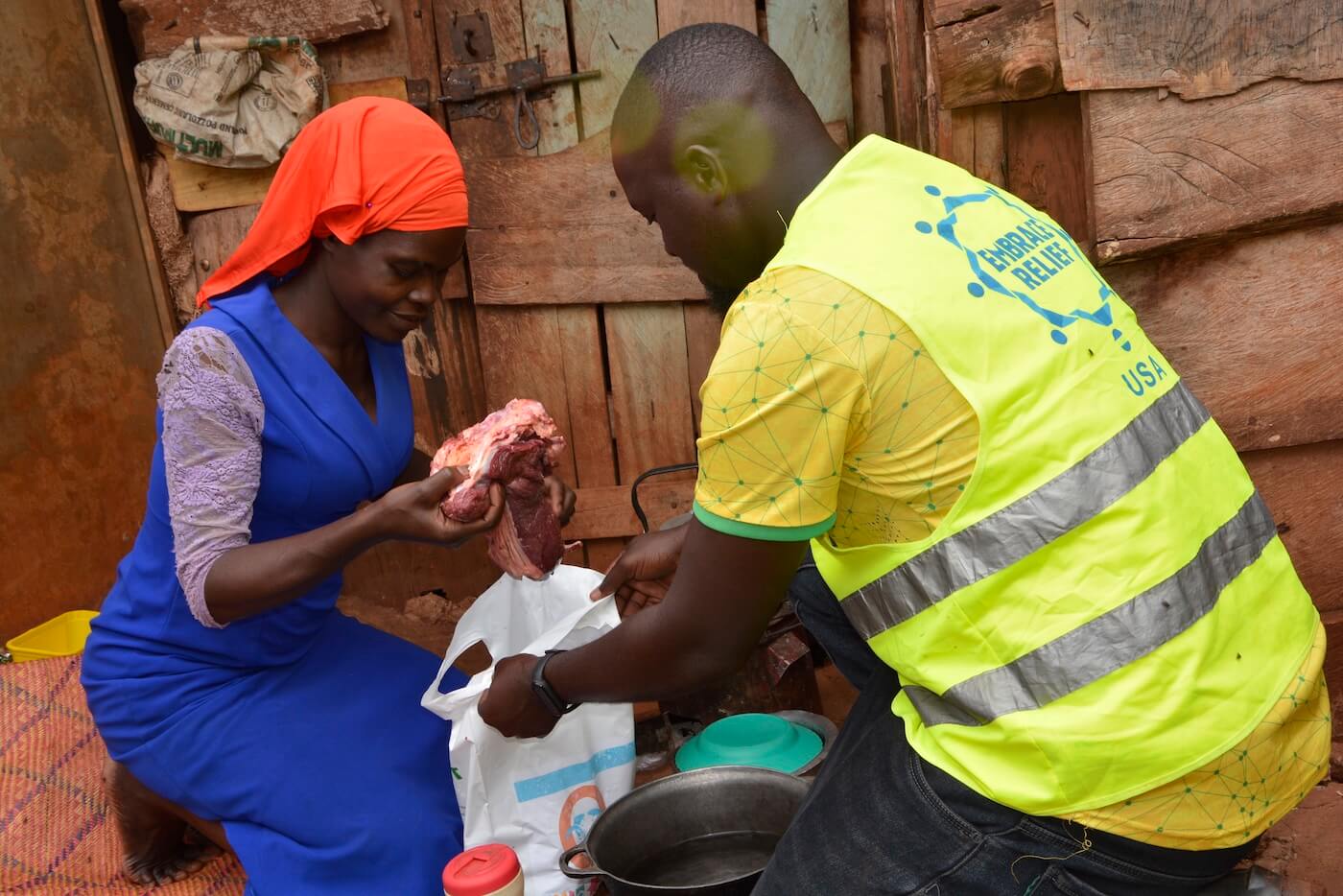
With the rise of online donations, Qurbani has become more accessible than ever. Trusted charities manage the entire process:
- Sourcing healthy animals
- Performing the sacrifice according to Islamic guidelines
- Distributing meat to vulnerable communities
These organizations ensure your Qurbani reaches:
- Orphans
- Refugees
- Low-income families
- Food-insecure regions
For many recipients, Qurbani meat is their only source of quality nutrition all year.
Popularity, Misconceptions, and Final Thoughts
In recent years, more donors are choosing cow shares because:
- Lower cost per person
- Higher meat output
- Greater humanitarian impact
A single cow can feed multiple families, making it one of the most efficient ways to give during Eid.
Let’s clear up a few misunderstandings:
- More than 7 people can share a cow → Not allowed
- Paying more gives you a bigger share → All shares must be equal
- You must receive meat yourself → Not required for validity
- Shared Qurbani is less rewarding → Each share is fully valid
Understanding these points ensures your Qurbani is both valid and impactful.
Choosing between a cow, goat, or sheep for Qurbani isn’t just about cost—it’s about intention, impact, and personal connection.
- Choose goat or sheep if you want a full individual sacrifice
- Choose cow share if you want affordability and maximum reach
No matter which option you select, your Qurbani represents compassion, sacrifice, and support for those who need it most.