
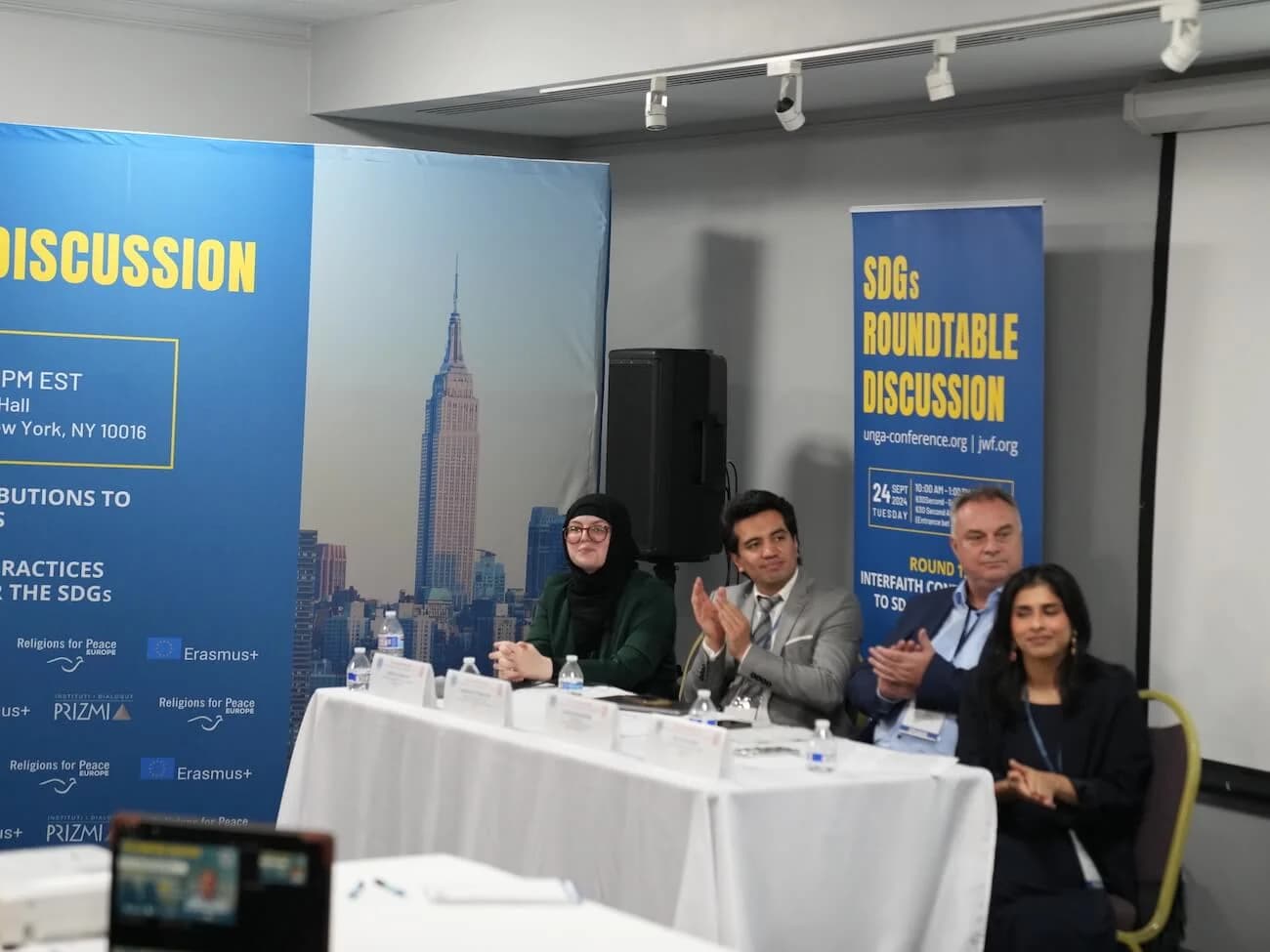
SDGs Conference 2024: How Embrace Relief’s Support of Women Creates A Stronger World
Embrace Relief’s Sarah Elsakhawy spoke at the SDGs Conference 2024, highlighting the critical need for women’s education and economic empowerment to achieve sustainable development and gender equality globally.
The useful part before the long read.
Sarah Elsakhawy represented Embrace Relief at the SDGs Conference 2024, discussing civil society best practices for sustainable development.
Women aged 25-34 are 25% more likely to live in extreme poverty than men, with significant gaps in financial access and leadership roles.
Embrace Relief’s R.I.S.E. and L.E.A.R.N. programs provide vocational training, scholarships, and online education to women and girls in Tanzania and beyond.
Empowering women through education and economic opportunities creates ripple effects, as women reinvest up to 90% of their income into their communities.
Advocating for Women at the SDGs Conference
Elsakhawy began by highlighting the global education crisis, where over 244 million children and youth are out of school, many of whom live in conflict-affected areas. In these regions, safety concerns, gender discrimination, and economic hardships prevent children, particularly girls, from accessing education. She noted that studies have shown that literacy rates among youth in conflict zones can drop by over 20%, perpetuating poverty cycles. Elsakhawy emphasized that education is not just a fundamental right but also a critical tool for peacebuilding and economic development. According to UNESCO, an additional year of schooling can increase an individual’s income by up to 10% and reduce the risk of conflict by 20% in the long term.
A Critical Gender Gap
Women, however, are disproportionately impacted by poverty. Elsakhawy underscored that women aged 25 to 34 are 25% more likely to live in extreme poverty than men, with women in sub-Saharan Africa making up over 60% of the informal labor force, where job security, benefits, and financial resources are scarce. In Tanzania, one of several countries where Embrace Relief’s Women’s Empowerment program operates, the situation is particularly challenging, with only 6% of women having access to formal financial services and less than 10% owning land, despite their significant contributions to agriculture.
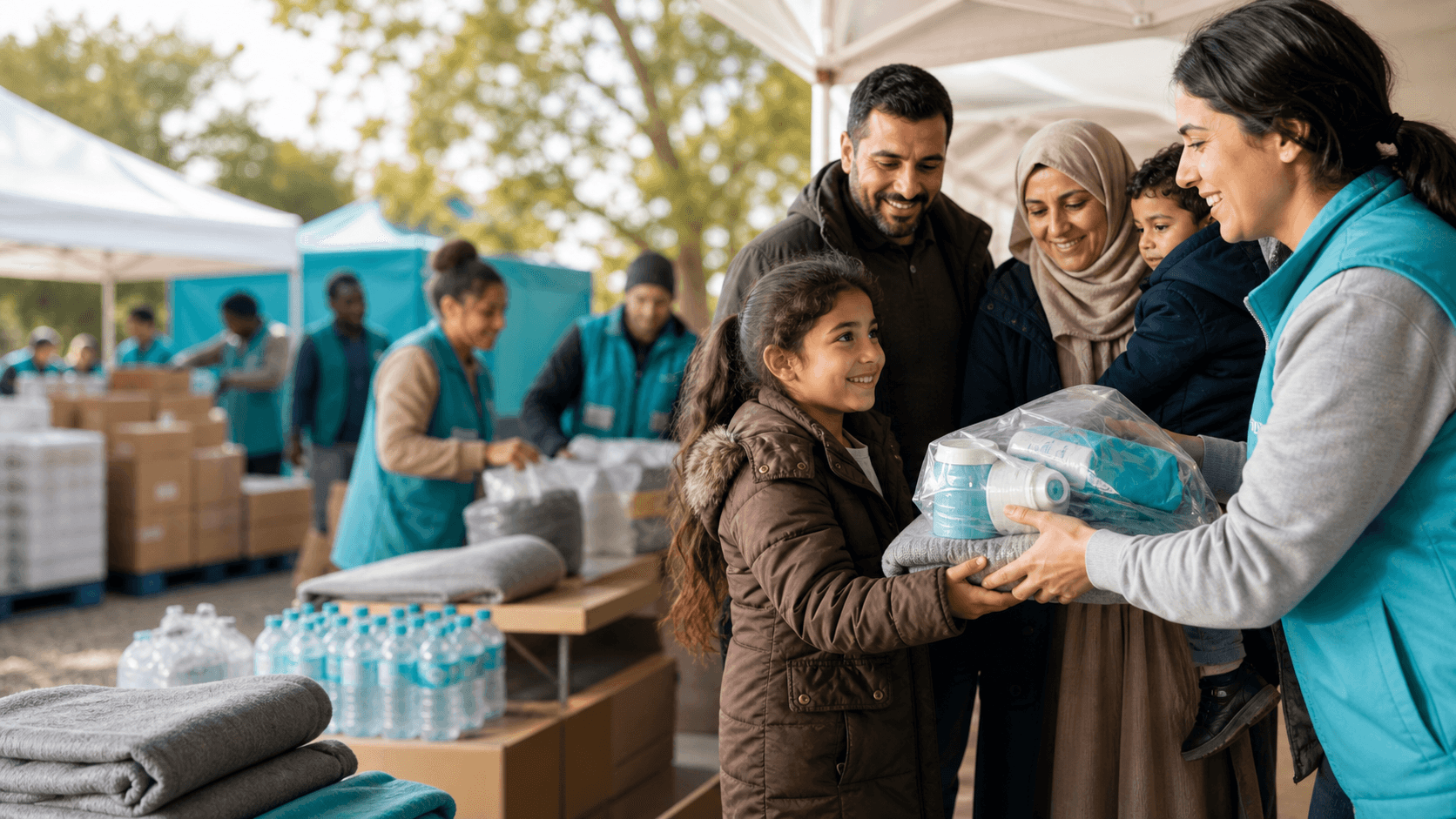
Disaster Relief
Help families recover from emergencies with food, shelter, supplies, and urgent support.
Success Stories from Embrace Relief
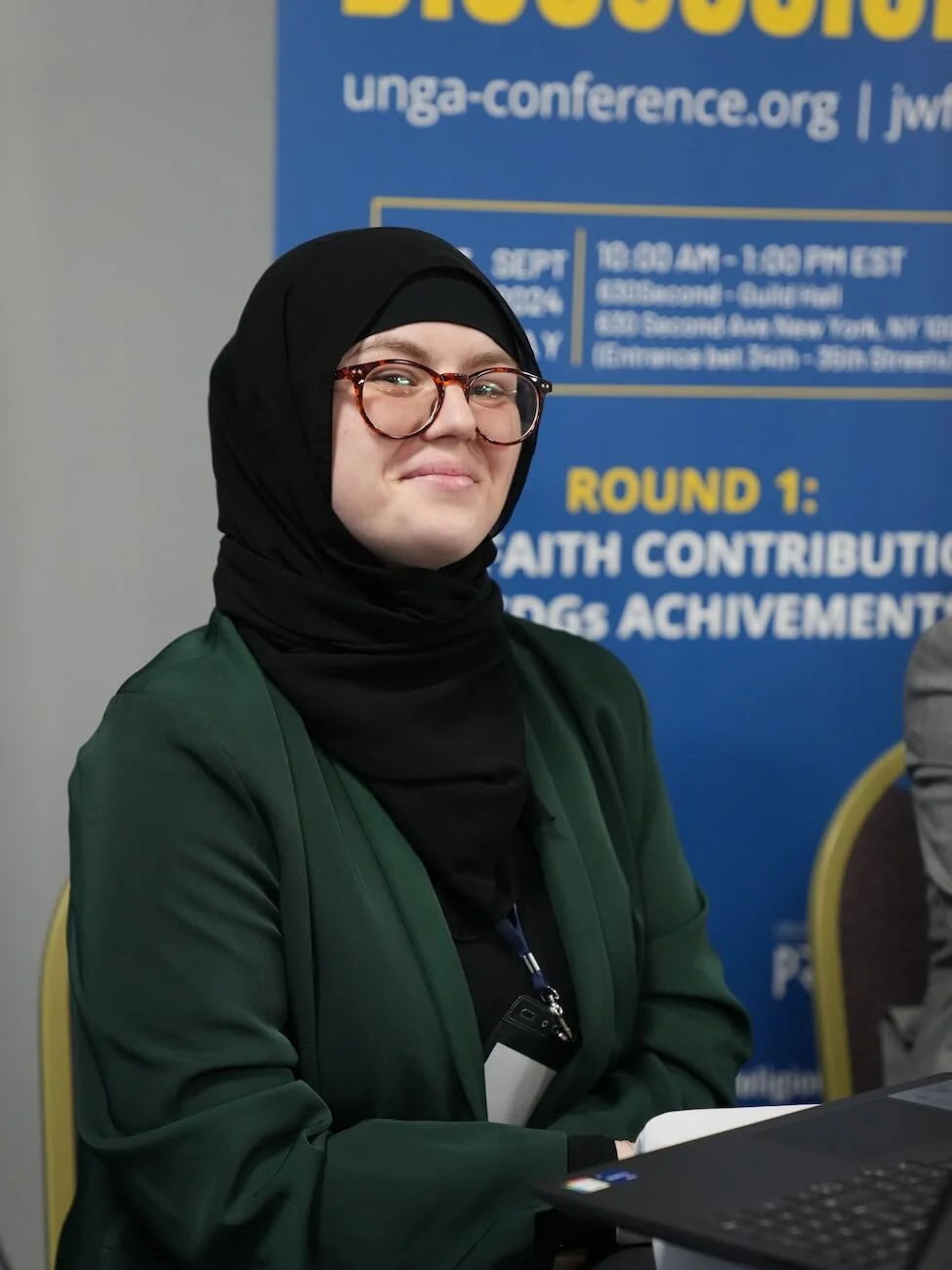
Embrace Relief has taken on these challenges through its initiatives like the R.I.S.E. program in Tanzania, which stands for Reach, Inspire, Support, and Educate. R.I.S.E. provides women with scholarships and vocational training focused on leadership development. Elsakhawy shared the success of the program, where 24 women have graduated, and another cohort of 24 women is currently enrolled. By empowering women through education and leadership skills, R.I.S.E. is not only transforming individual lives but also fostering a generation of female leaders who can drive systemic change in their communities.
Additionally, Embrace Relief’s L.E.A.R.N. program addresses the educational gap faced by young girls in regions where access to formal education is limited. L.E.A.R.N. offers high-quality online education at both the high school and college levels, ensuring that learning can continue despite external challenges. The program currently supports three high school students and 20 college students pursuing degrees in Computer Applications and English, equipping them with the skills needed for employment in virtual IT jobs or teaching roles in their local communities.