Waterborne Diseases in Africa: How Clean Wells Help
Waterborne diseases in Africa, such as cholera, typhoid and dysentery, spread through unsafe water. See WHO figures, the main diseases and how clean wells help.
By Embrace Relief Team · Updated November 6, 2026
The useful part before the long read.
In 2022, 2.2 billion people still lacked safely managed drinking water, and 115 million used untreated surface water such as rivers and ponds (WHO).
Diarrheal disease kills about 443,832 children under 5 every year and is the third leading cause of death in children aged 1 to 59 months (WHO).
Cholera, typhoid, dysentery and hepatitis A all spread through contaminated water.
Embrace Relief has drilled or reconstructed 1,350+ wells since 2013, giving about 1,400,000 people clean water.
Waterborne diseases in Africa and around the world are illnesses caused by drinking water that contains germs from human or animal waste. They include diarrhea, cholera, typhoid and dysentery. According to the World Health Organization (WHO), about 1.7 billion people used a drinking-water source contaminated with feces in 2022, and around 1 million people die each year from diarrhea caused by unsafe water, sanitation and hygiene. A protected deep well is one of the most direct ways to stop the cycle.
What are waterborne diseases?
Water becomes unsafe when it is contaminated by bacteria, viruses or parasites, usually from human or animal waste. People get sick by drinking the water, using it to prepare food, or bathing in it. Diseases that spread this way include:
| Disease | What it is |
|---|---|
| Diarrhea | Loose, watery stools that can cause dangerous loss of fluid, especially in young children |
| Cholera | An intestinal infection that can cause severe watery diarrhea and rapid dehydration |
| Typhoid | A bacterial infection that causes high fever, headache and stomach problems |
| Dysentery | An intestinal infection with bloody stools |
| Hepatitis A | A viral liver infection |
| Schistosomiasis | A parasitic disease caught from contaminated fresh water |
The effects of waterborne diseases: how big is the problem?
- 2.2 billion people did not have safely managed drinking water in 2022 (WHO).
- 115 million people collected water from untreated surface sources such as lakes, ponds, rivers and streams (WHO).
- About 1 million deaths a year from diarrhea are linked to unsafe drinking water, sanitation and hand hygiene (WHO).
- About 443,832 children under 5 die from diarrhea every year (WHO).
These illnesses are preventable. Where there is a protected, reliable source of clean water, the risk drops quickly. Learn how a water well donation brings safe water close to home for more than 1,000 people a day.
Why does water make children and women most vulnerable?
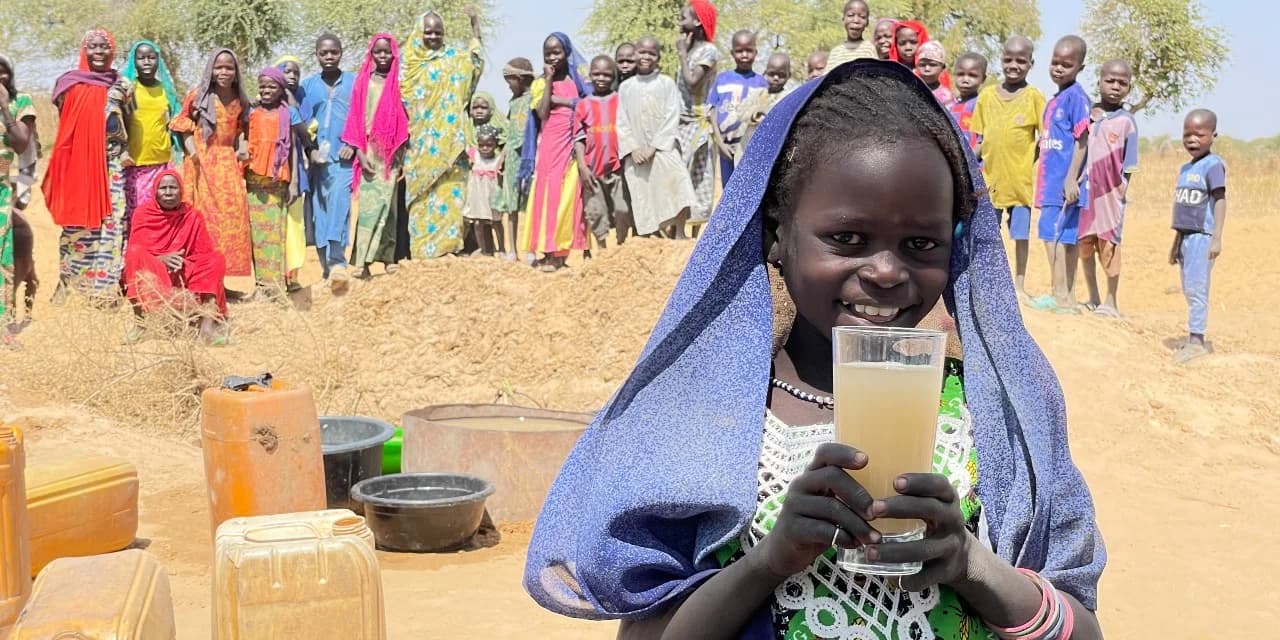
Young children get sick faster and lose fluid more quickly. In many rural communities in Sub-Saharan Africa, women and girls walk long distances to collect water, which takes time away from school and work and exposes them to unsafe sources. See our guide to the cost to build a water well.
How clean wells help
A deep-aquifer well draws water from a protected underground source instead of rivers or shallow ponds. Embrace Relief's wells are hand-pump wells drilled to about 147 feet. Each well comes with a 5-year warranty, annual maintenance, and training so the community can look after its own water source. A well serves 1,000+ people every day.
Since 2013, Embrace Relief has drilled or reconstructed 1,350+ wells, providing clean water to about 1,400,000 people in countries including Chad, Cameroon, Tanzania, Uganda, Benin and Kenya.
| Your gift | What it does |
|---|---|
| $3,500 | Builds a new deep-aquifer well |
| $1,500 | Restores a broken well through Fountains of Hope |
| $25 a month | Helps build and restore wells across Africa |
Learn more on the Clean Water page.
Year-end giving: water well donations.
Sources
- World Health Organization, Drinking-water fact sheet (September 13, 2023).
- World Health Organization, Diarrhoeal disease fact sheet (March 7, 2024).
This article is general information, not medical advice. If you or someone you care for has symptoms of waterborne illness, seek medical care.
Frequently asked questions
What are the most common waterborne diseases?
Diarrhea, cholera, typhoid, dysentery, hepatitis A and schistosomiasis.
How many people die from waterborne diseases?
According to the WHO, about 1 million deaths each year are linked to diarrhea caused by unsafe water, sanitation and hygiene. Separately, diarrheal disease from all causes kills about 443,832 children under 5 each year.
How do wells prevent waterborne disease?
A deep-aquifer well provides water from a protected underground source instead of surface water, which lowers the risk of contamination.
How long do Embrace Relief wells last?
Each well is drilled to about 147 feet and comes with a 5-year warranty, annual maintenance and community training.
How can I help?
You can build a well for $3,500, restore a broken well for $1,500, or give $25 a month.