
The Importance of Female Leadership in Education
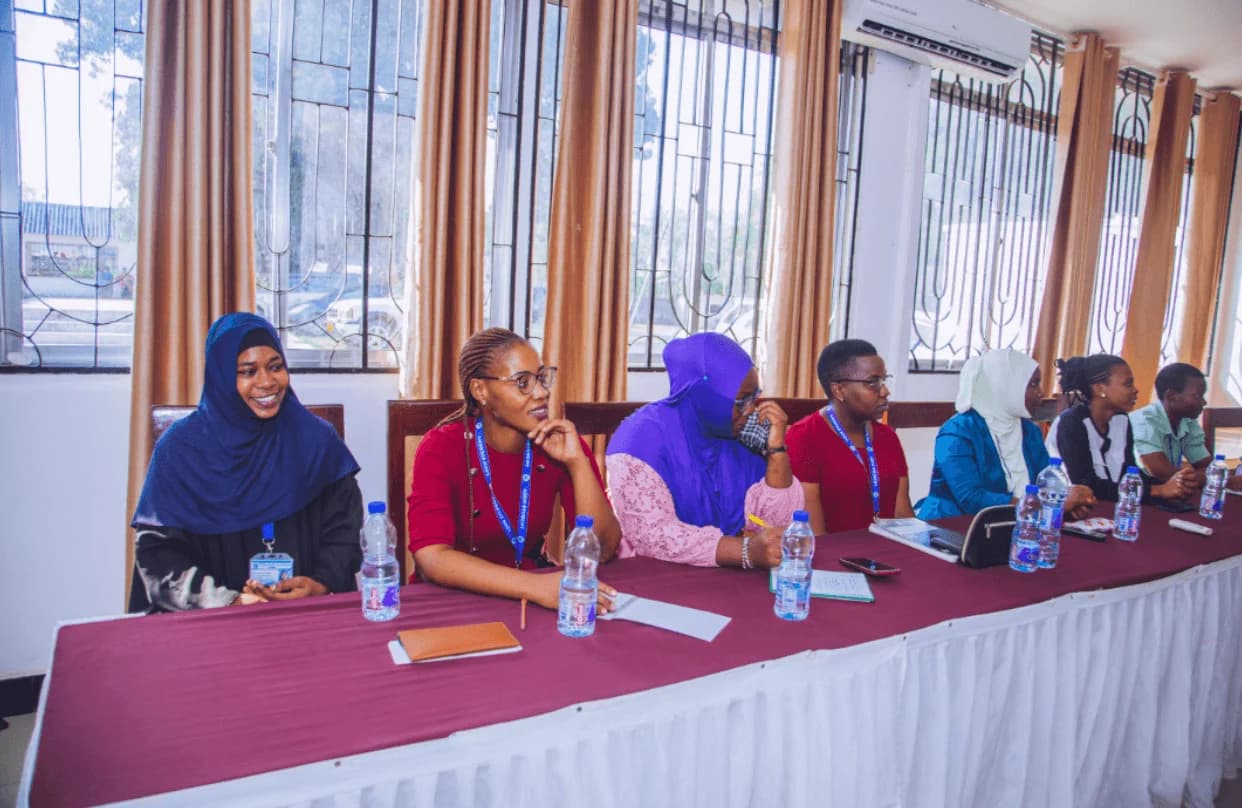
Female leaders in education foster inclusive environments and serve as vital role models. Embrace Relief’s R.I.S.E. program empowers women in Tanzania through scholarships, transforming communities one leader at a time.
The useful part before the long read.
Female leaders in education create more inclusive, empathetic, and effective learning environments.
Women in leadership roles challenge gender stereotypes and positively impact student well-being.
Embrace Relief’s R.I.S.E. program provides scholarships for female teachers in Tanzania to pursue advanced education.
Donations of $100 per month cover comprehensive costs for one student, including tuition and health insurance.
The Impact of Female Leadership in Education
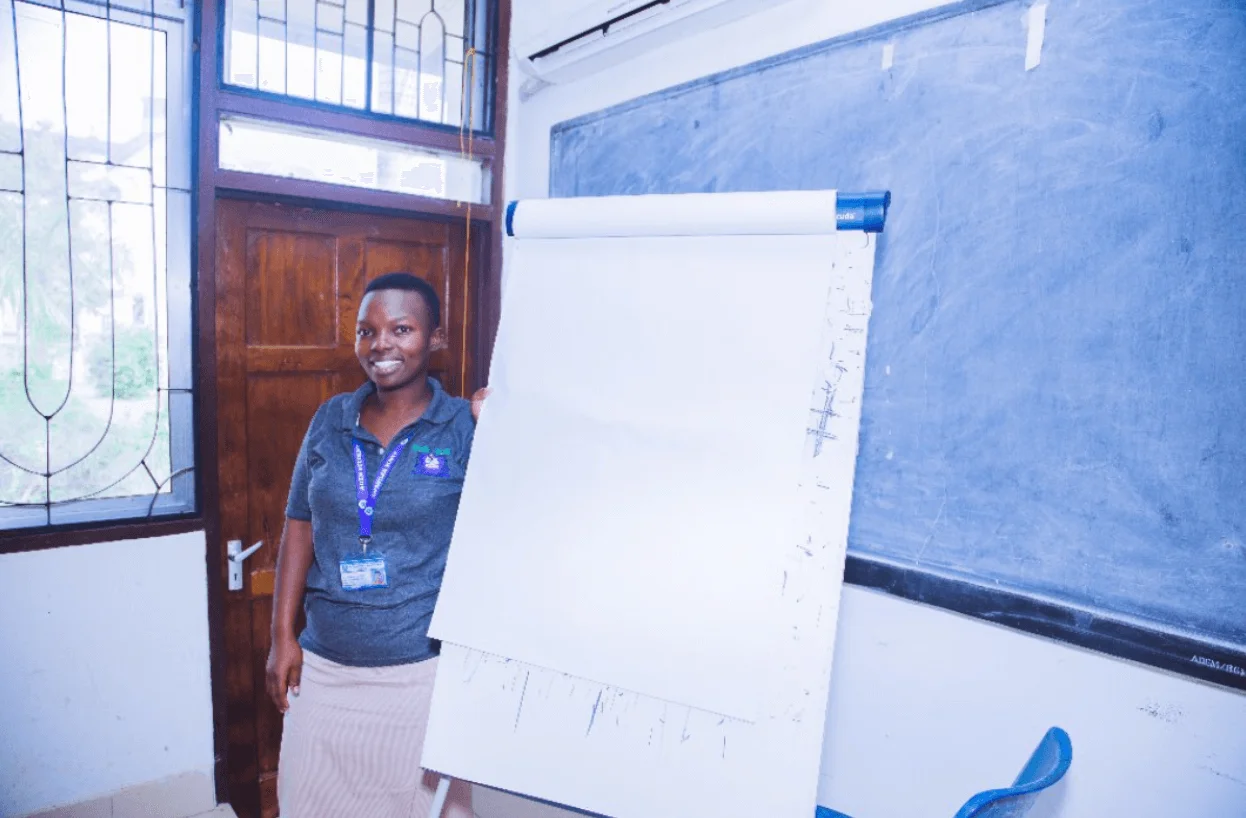
In the realm of education, leadership plays a pivotal role in shaping the future. Female leaders, in particular, bring unique perspectives and strengths that contribute to more inclusive, empathetic, and effective educational environments. Their influence extends beyond the classroom, impacting communities and society at large. Understanding the importance of female leadership in education is crucial as we strive to create a more equitable and prosperous world.
Female leaders in education serve as role models, inspiring young girls to pursue their dreams and break barriers. They demonstrate that women can excel in leadership roles, challenging traditional gender stereotypes and paving the way for future generations. Studies have shown that when women lead, there is a significant positive impact on students’ academic performance and overall well-being. Their presence fosters a more diverse and supportive environment where all students can thrive.
- 1Role Models: Female leaders provide strong role models for young girls, showing them that they can aspire to leadership roles in any field.
- 2Inclusive Policies: They advocate for and implement policies that promote gender equality, inclusivity, and support for marginalized groups.
- 3Community Impact: Female leaders often extend their influence beyond the school, working to improve the broader community and address social issues.
Moreover, female leaders often prioritize policies and practices that promote gender equality and inclusivity. They advocate for resources and support systems that address the unique challenges faced by female students, such as access to education, menstrual hygiene, and protection from gender-based violence. By championing these issues, female leaders create safer and more equitable learning spaces.
The impact of female leadership in education is profound. Here are a few key areas where female leaders make a difference:
By supporting and empowering female leaders in education, we are not just improving schools but also transforming communities and societies.
Embrace Relief’s R.I.S.E. Program: Empowering Future Leaders
For more information on Embrace Relief’s R.I.S.E. program, click here!
Support the R.I.S.E. program with a donation: $25, $50, $100, or $750.