
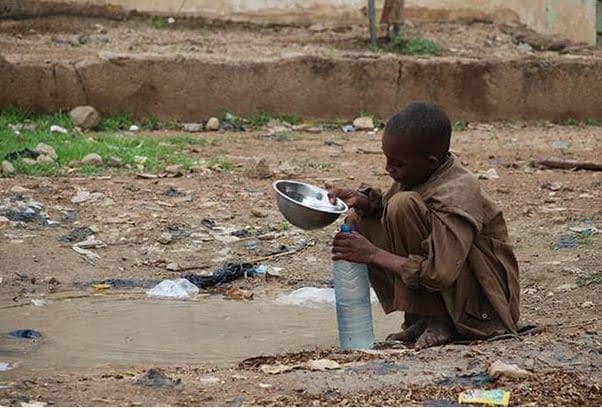
Water Scarcity Is an Economic Crisis
Water scarcity is driving a global economic crisis, impacting agriculture, energy, and public health while threatening GDP growth. Embrace Relief is addressing this urgent need by building sustainable water wells in African communities.
The useful part before the long read.
Water shortages destabilize economies by disrupting agriculture, which consumes 70% of global freshwater, and hindering industrial energy production.
The World Bank predicts regions with severe water scarcity could lose up to 6% of their GDP by 2050 due to reduced productivity and job losses.
Climate change and population growth are exacerbating water stress, leading to food insecurity, migration, and increased conflict over resources.
Embrace Relief has built or repaired over 1,100 water wells in eight African countries, providing safe water to more than one million people.
The Global Impact of Water Scarcity
Water scarcity is no longer just a local or seasonal problem. Across the world, countries are experiencing severe water stress, and the effects are being felt far beyond empty wells and dry fields. When clean water becomes hard to find, entire economies begin to suffer.
Farming is often the first to feel the pressure. Agriculture uses about 70 percent of the world’s freshwater, and when that water runs low, crops fail, food prices rise, and farmers lose their income. In many parts of Africa and South Asia, people rely heavily on farming not only for food but also for work. A single season of drought can put millions at risk of hunger and poverty.
Water shortages also affect energy production. Many power plants require water to operate, and without it, energy becomes more expensive and less reliable. In cities, industries that need large amounts of water, like textile production or food processing, face slowdowns or even closures. Hospitals and schools struggle to function without a stable water supply, putting public health and education at risk.
Climate change is making the situation worse. Rainfall is becoming less predictable, and higher temperatures are drying up rivers, lakes, and reservoirs. Population growth adds even more pressure as more people depend on the same limited water sources.
Economic Damage and Future Risks
The economic damage is already visible. According to the World Bank, regions suffering from water scarcity could lose up to six percent of their GDP by 2050. That means fewer jobs, slower growth, and more people being pushed into poverty.
In some cases, water scarcity also leads to conflict. When neighboring communities or countries share a limited water source, tensions rise over who gets access. These disputes can become violent, especially in places where water is already hard to come by.
The global demand for freshwater is expected to be much higher than supply by the end of the decade. If no action is taken, the impacts will reach every part of life, from what people eat to where they can live and work.
Embrace Relief Turning the Tide on Water Scarcity
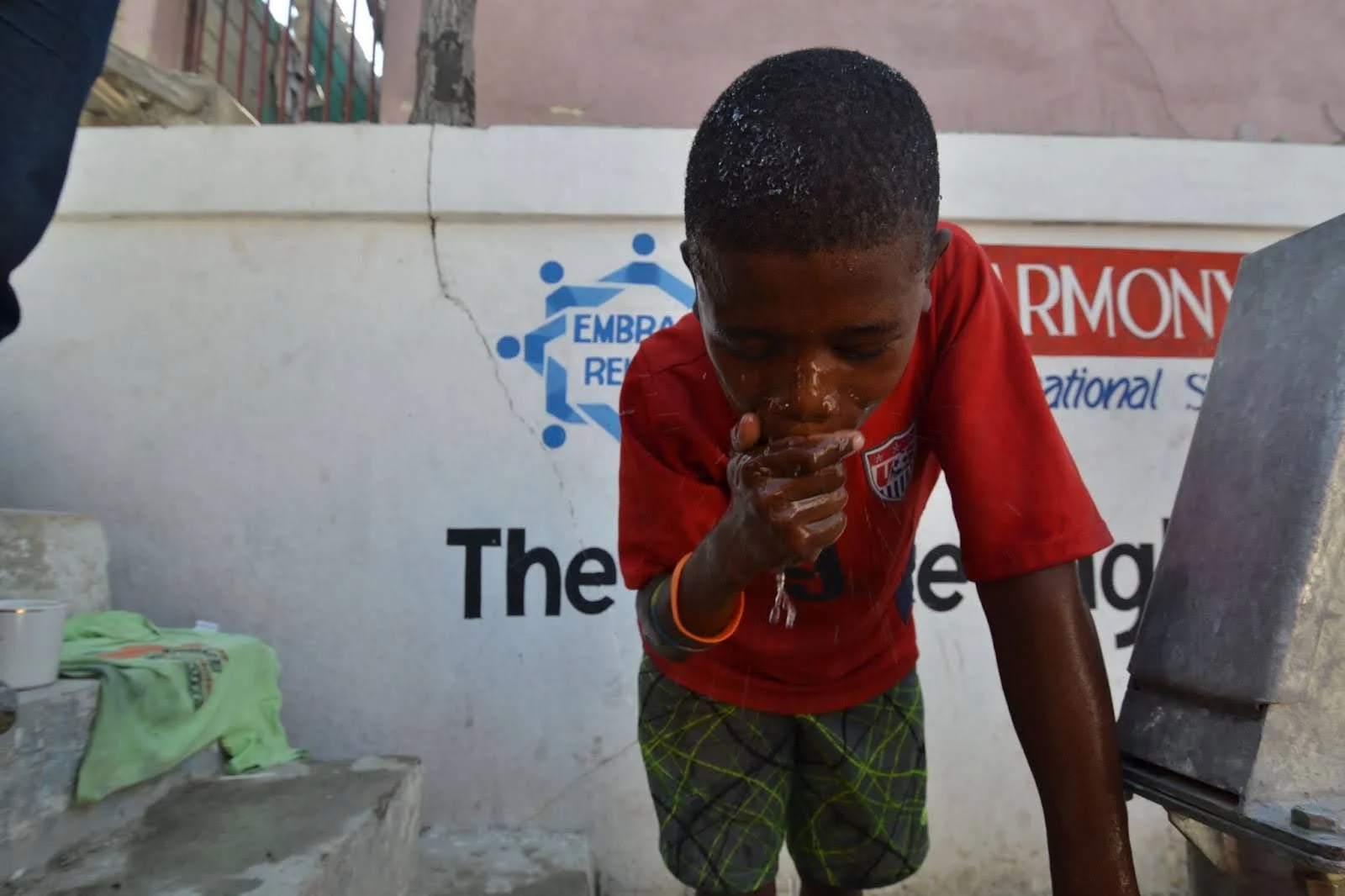
In regions facing extreme water shortages, Embrace Relief is working directly with communities to make clean water available and sustainable. Since 2013, the organization has built and repaired over 1,100 water wells in eight African countries, helping more than one million people gain access to safe water.
These wells are more than just a convenience. They support better health, improve food security, allow children to attend school, and help communities grow stronger economically. In areas where access to water was once a daily struggle, people now have a reliable source close to home.
This work is ongoing and growing, but the need is still urgent. Millions of people continue to face daily water insecurity. There are many ways to be part of the solution.
Water scarcity affects everyone, directly or indirectly. By helping provide clean water where it’s needed most, we can strengthen communities, protect economies, and create a more stable future for all.
For more information on Embrace Relief’s Clean Water Initiative, click here!