What is Cataract Surgery?
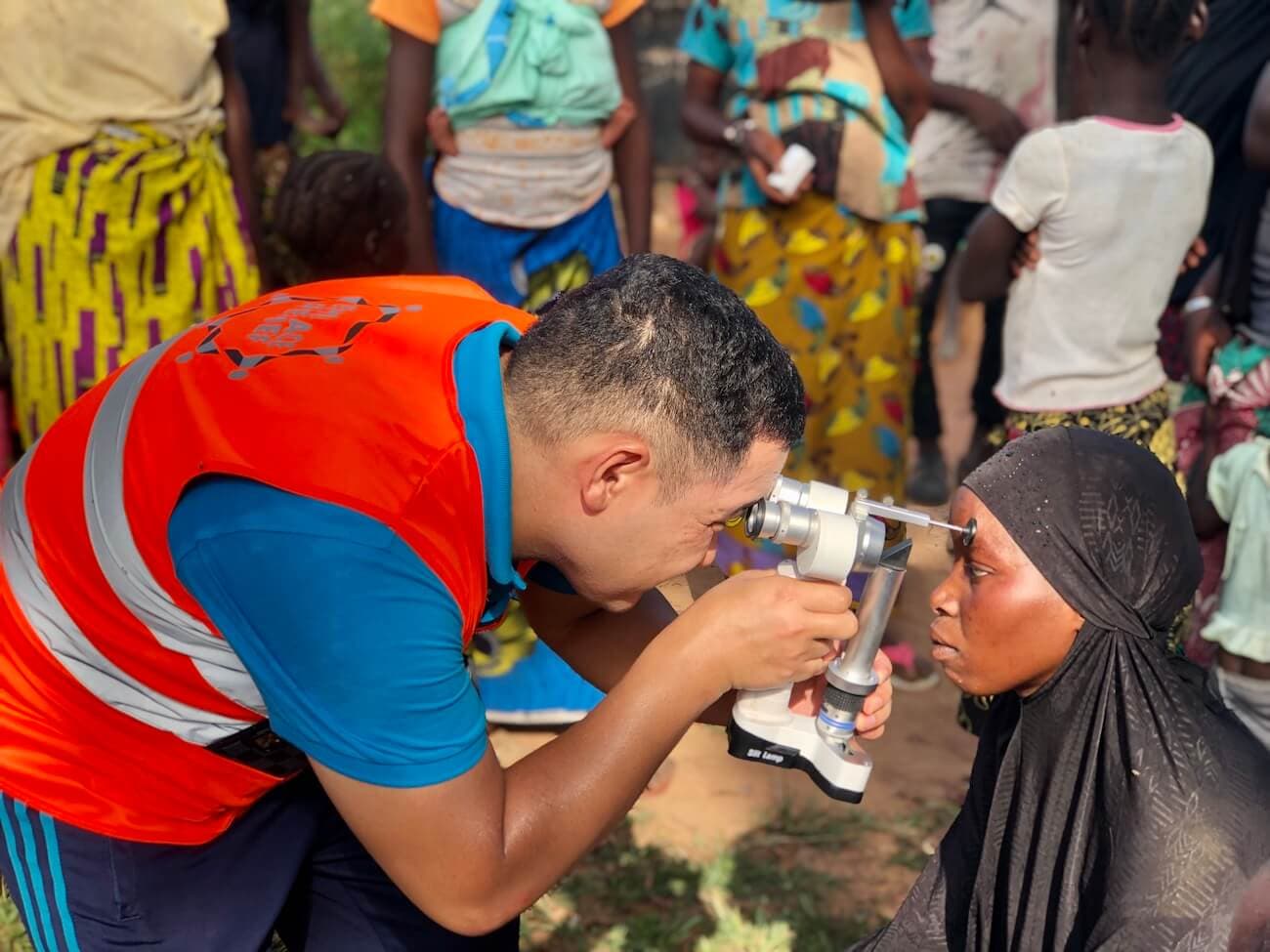
Cataract surgery restores vision by replacing a cloudy lens with an artificial one, yet access remains limited in Sub-Saharan Africa due to infrastructure and resource shortages. Embrace Relief works to provide free surgeries in Mali and Burkina Faso, relying on donations to combat preventable blindness.
The useful part before the long read.
Cataract surgery is a highly effective procedure that removes a cloudy lens and replaces it with an artificial one to restore clear vision.
In Sub-Saharan Africa, cataracts disproportionately affect children due to environmental factors like dust, UV rays, and trauma.
Access to care is hindered by a lack of medical infrastructure, trained ophthalmologists, and essential surgical supplies.
Embrace Relief provides free cataract surgeries in Mali and Burkina Faso, with a $120 donation funding one complete surgery.
Understanding Cataract Surgery
Cataracts are a common cause of vision impairment and blindness, particularly in older adults. Cataract surgery, a routine and highly effective procedure, involves removing the cloudy lens from the eye and replacing it with an artificial one to restore clear vision. This surgery can dramatically improve the quality of life for individuals suffering from cataracts, allowing them to regain independence and participate fully in daily activities.
The Importance of Cataract Surgery and Global Health
Cataracts develop when proteins in the lens of the eye break down and cause clouding, leading to blurry vision, difficulty with glare, and trouble seeing at night. If left untreated, cataracts can result in complete blindness. Fortunately, cataract surgery is one of the most common and successful surgeries worldwide, with a high success rate and low risk of complications.
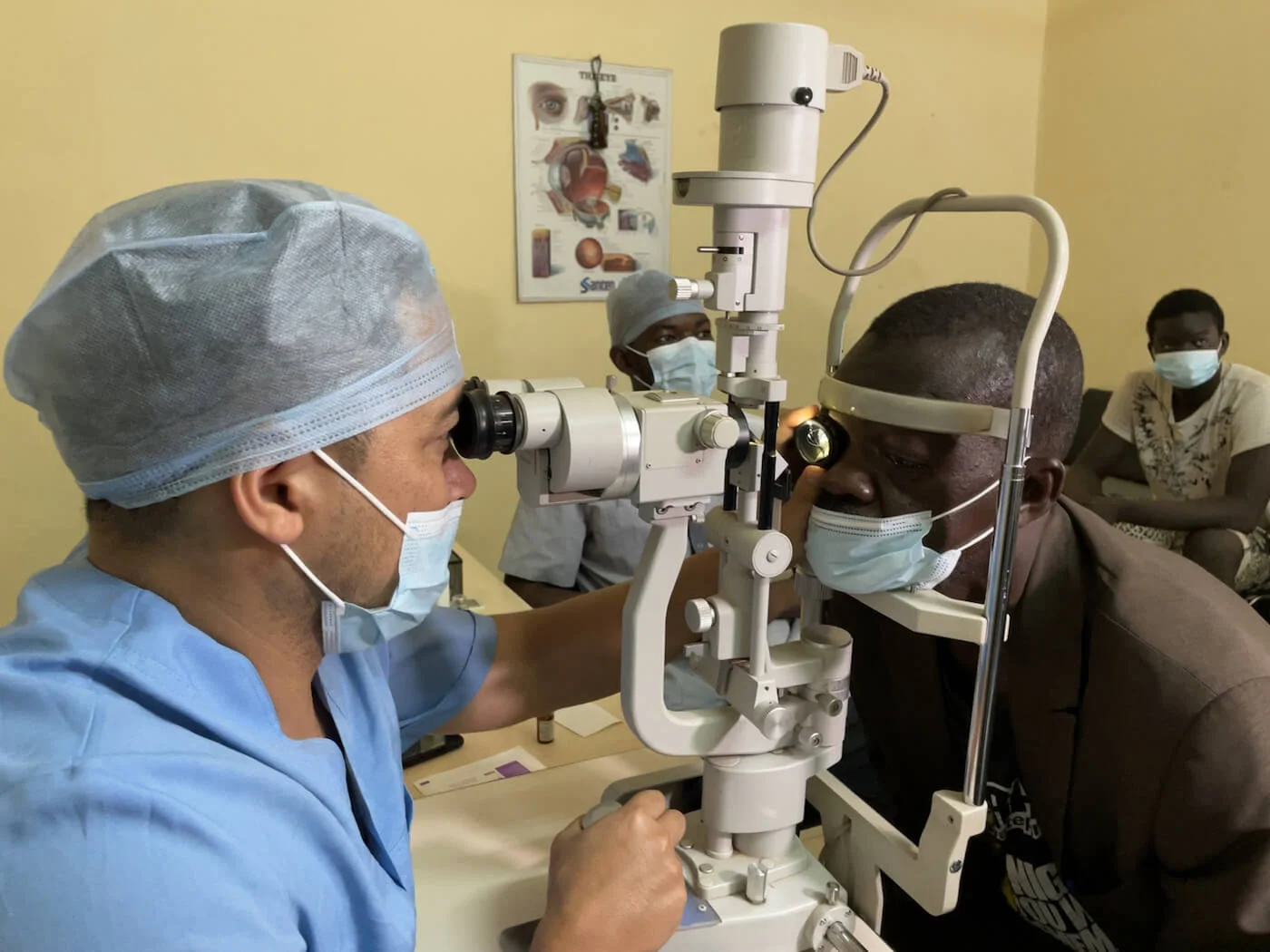
However, in many low- and middle-income countries, particularly in Sub-Saharan Africa, access to cataract surgery is limited. Moreover, although cataracts are more common in older adults, this particulate eye disease disproportionately affects young children and teens in sub-Saharan Africa, which is due to excessive dust, strong UV rays, chemical exposure (toxic cataract), and head trauma (traumatic cataract).
It is estimated that approximately 20,000 children are born with cataracts (congenital or developmental cataracts) annually, and the remaining children obtain it from an external source, factor, or event.
Challenges in Sub-Saharan Africa
Access to basic and essential healthcare services, including cataract surgery, is often restricted in Sub-Saharan Africa due to several factors:
- 1Lack of Infrastructure: Many regions lack the necessary medical facilities equipped to perform cataract surgeries. Hospitals and clinics are often under-resourced and unable to provide adequate care.
- 2Shortage of Healthcare Workers: There is a severe shortage of trained healthcare professionals in many parts of Sub-Saharan Africa. This scarcity includes ophthalmologists and other eye care specialists essential for diagnosing and treating cataracts.
- 3Lack of Equipment, Supplies, and Medicines: Even when healthcare facilities and professionals are available, they often lack the necessary equipment, supplies, and medicines to perform cataract surgeries. This shortage severely limits the number of surgeries that can be conducted.
Efforts to Improve Access
Organizations and nonprofits, like Embrace Relief, are working tirelessly to address these challenges and improve access to cataract surgery in Sub-Saharan Africa. These efforts include training local healthcare workers, providing essential medical supplies and equipment, and building and supporting healthcare infrastructure.
How You Can Help
Access to cataract surgery is a matter of global health, and you can make a difference. Embrace Relief is dedicated to providing free cataract surgeries in Mali and Burkina Faso, where the need is critical. By sponsoring surgeries, you can help restore vision and improve the quality of life for individuals in these communities.
Join us in the fight against preventable blindness. Your donation of just $120 will provide the necessary resources to perform cataract surgeries and preventative health screenings in regions where access to healthcare is limited.
Together, we can work towards equitable access to health services and ensure that everyone has the opportunity to see clearly and live fully.
The Gift of Sight: Donation Impact
A simple cataract surgery, which costs only $120, can transform a life. With your support, our Embrace Relief’s health clinics can provide these surgeries to those in need, giving them the gift of sight and the opportunity for a better future. Here’s how your donation can make a difference:
- $120 Donation: Funds one complete cataract surgery, restoring sight to an individual in need.
- $240 Donation: Supports two surgeries, doubling the impact.
- $600 Donation: Helps five people regain their vision, enhancing their quality of life and ability to contribute to their communities.
Your donation can make a significant difference in the lives of those suffering from cataracts in Mali and Burkina Faso. For just $120, you can fund a cataract surgery and give someone the precious gift of sight.
Help us light up lives and drive away the darkness caused by cataracts. Donate now and be a part of this life-changing mission.