
Women are at Risk for Autoimmune Disorders: What Does This Mean for People with Limited Resources?
A Stanford University study reveals that the Xist RNA molecule contributes to the higher prevalence of autoimmune disorders in women. This biological reality disproportionately affects women in Africa with limited healthcare access, making initiatives like Embrace Relief’s S.E.E.D. program vital for economic and nutritional support.
The useful part before the long read.
Stanford researchers identified Xist, an RNA molecule, as a key factor in the female bias for autoimmune diseases.
Women in Africa face higher health risks due to limited healthcare access and existing gender inequalities.
Embrace Relief’s S.E.E.D. initiative provides livestock and training to empower women with income and nutrition.
Sustainable entrepreneurship helps break the cycle of poverty and disease for women in Kenya, Ethiopia, Nigeria, Uganda, and Afghanistan.
Understanding the Gender Disparity in Autoimmune Diseases
In a groundbreaking study, researchers from Stanford University have uncovered a crucial piece of the puzzle surrounding autoimmune diseases and their disproportionate impact on women. The study, posted in the journal Cell, delves into the role of Xist, a vital RNA molecule, in triggering immune responses that predispose women to autoimmune disorders.
The findings explain the gender disparity that has puzzled those studying autoimmune disorders. Xist, crucial for regulating gene expression on the X chromosome in females, can lead to the production of antibodies that attack the body’s own tissues, driving autoimmune conditions. “This is like a completely different and novel explanation for female bias in immune disease,” said Howard Chang, the Stanford physician-scientist who spearheaded the study. This discovery underscores the urgent need to address women’s health challenges, particularly in regions where access to healthcare is limited.
Healthcare Barriers and the Impact on Women in Africa
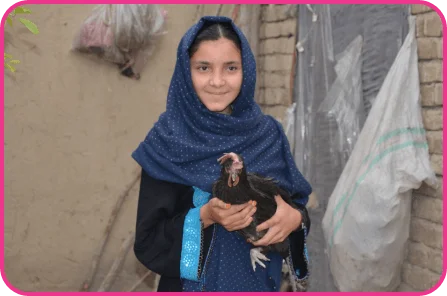
In many parts of Africa, women face formidable barriers to healthcare, exacerbating the impact of autoimmune diseases. According to the World Health Organisation, women in Africa “are more likely to die from communicable diseases (e.g. HIV, tuberculosis, and malaria), maternal and perinatal conditions, and nutritional deficiencies, than women in other regions. Treatment costs often pose insurmountable obstacles, leaving many women without access to vital medical interventions. As a result, these conditions can have devastating consequences on their health and well-being, perpetuating a cycle of poverty and vulnerability. This new research emphasizes the need for holistic interventions that encompass economic empowerment, access to healthcare, and nutritional support.
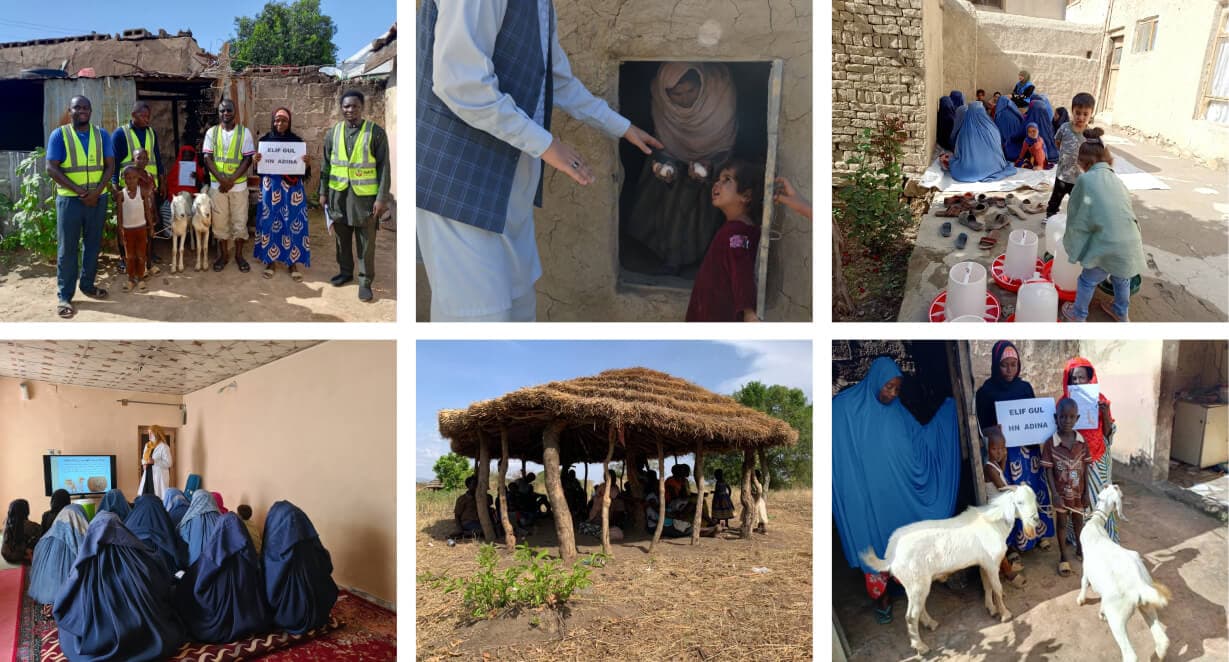
However, amidst these challenges, there is hope. In regions where healthcare infrastructure is limited and treatment options are scarce, initiatives like Embrace Relief’s S.E.E.D. initiative offers a lifeline, empowering women with the resources and support they need to overcome adversity. By providing opportunities for sustainable entrepreneurship through eggs and dairy production, S.E.E.D. equips women with the means to generate income and improve their nutritional status.
Support the S.E.E.D. Program
If you’d like to support S.E.E.D., you can choose a donation amount below:
Disaster Relief
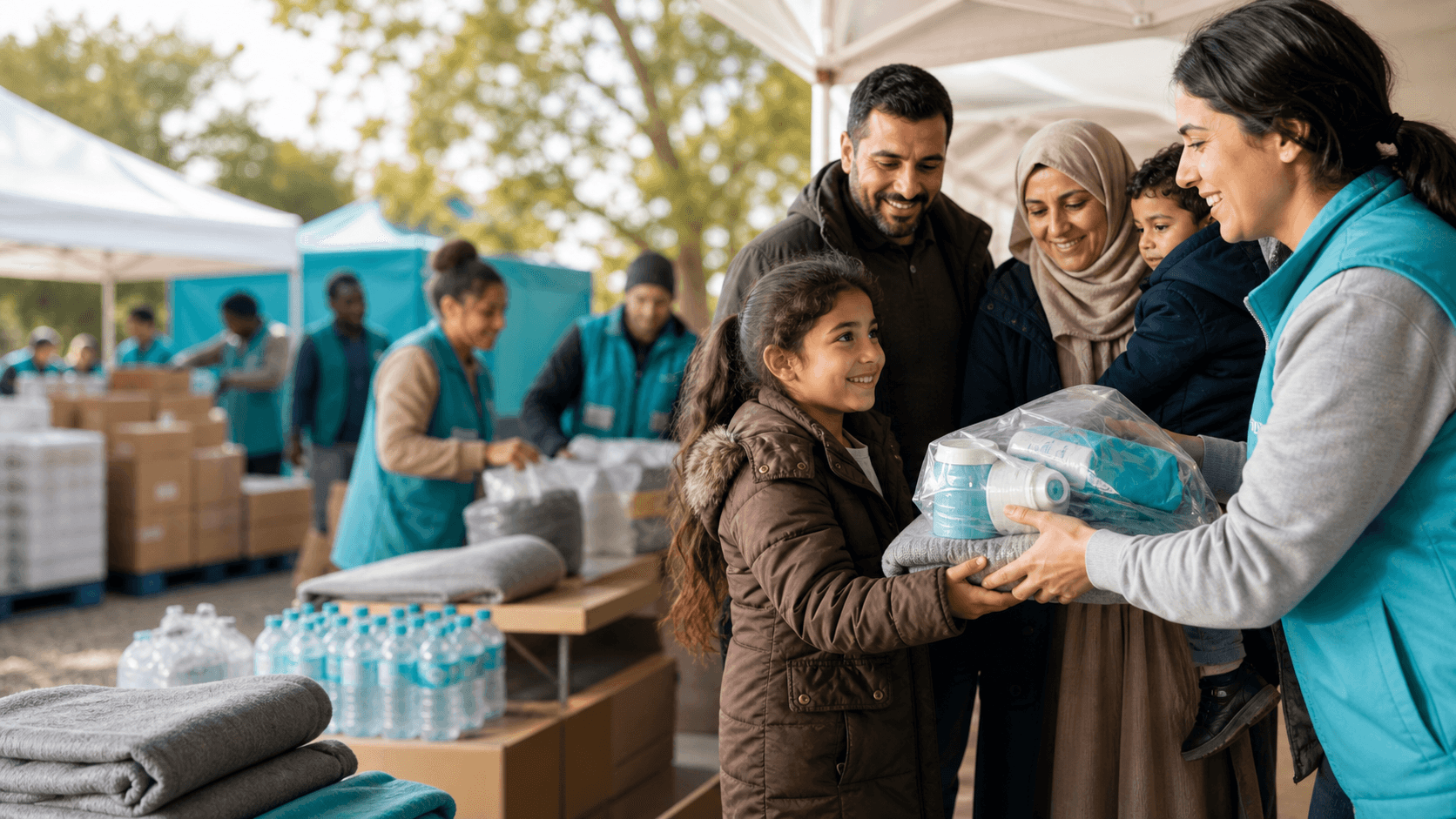
Help families recover from emergencies with food, shelter, supplies, and urgent support.
Empowering Women with Sustainable Entrepreneurship through Eggs and Dairy (S.E.E.D.)
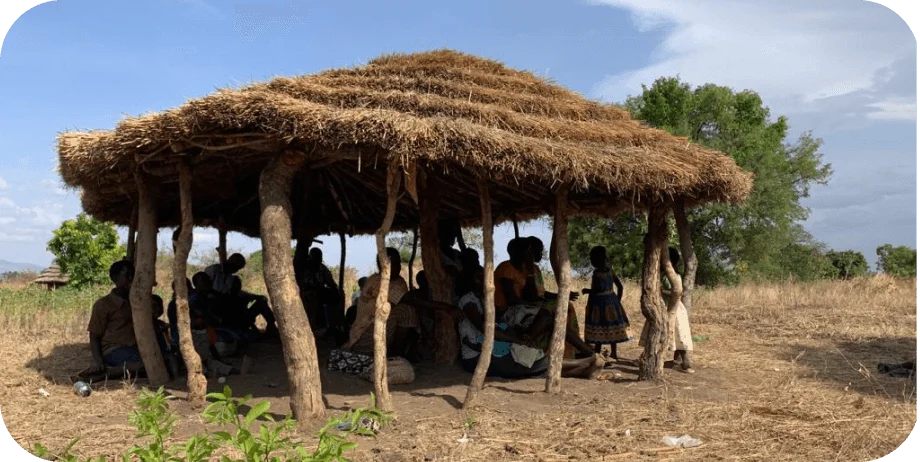
Through S.E.E.D., women in Kenya, Ethiopia, Nigeria, Uganda, and Afghanistan are offered livestock and comprehensive training in animal husbandry and business management. These resources enable them to establish thriving enterprises, bolstering economic resilience within their communities. Not only do these ventures provide a source of income, but they also contribute to food security, enhancing overall health outcomes for the women and their families.
By tackling the underlying causes of women’s health challenges, S.E.E.D. becomes a vital player in breaking the poverty and disease cycle. It empowers women with economic opportunities, granting them the agency to manage their health and overall well-being effectively. Through S.E.E.D., Embrace Relief champions women’s autonomy and fosters a pathway to improved livelihoods and health outcomes.
Creating a Future of Dignity and Purpose
The Stanford study serves as a timely reminder of the urgent need to prioritize women’s health and well-being. By harnessing the power of sustainable entrepreneurship, initiatives like SEED offer a pathway to women’s empowerment and resilience, transforming the lives of women and communities across Africa. As we strive to build a more just and equitable world, let us continue to support and champion initiatives that empower women, nurture communities, and create lasting change.
Together, we can create a future where every woman has the opportunity to thrive, flourish, and lead a life of dignity and purpose. Let us seize this opportunity to make a difference and create a better world for all, one S.E.E.D. at a time. Just $160 can provide a family with two goats, giving them the average monthly salary of a teacher!
For more information on the Embrace Relief S.E.E.D. program, click here.