
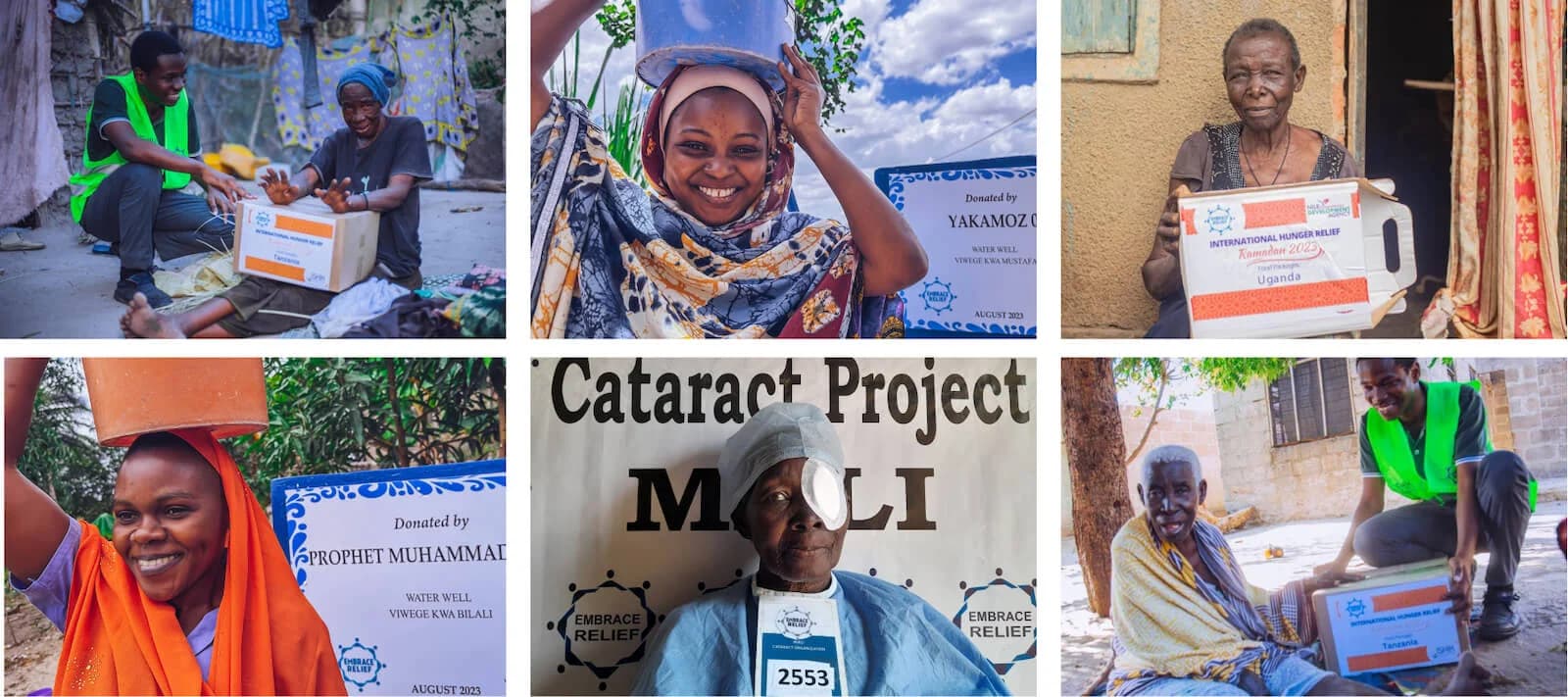
Zakat: The Third Pillar of Islam and How to Calculate & Donate Online
Zakat is the third pillar of Islam, a mandatory act of almsgiving that purifies wealth and supports social welfare. This guide explains how to calculate Zakat, the difference between Zakat al-Fitr and Zakat al-Mal, and how to donate online.
The useful part before the long read.
Zakat is a mandatory religious duty for Muslims who meet wealth criteria, typically calculated at 2.5% of qualifying assets.
There are two main types: Zakat al-Fitr, paid before Eid al-Fitr, and Zakat al-Mal, paid on accumulated wealth over a lunar year.
Zakat serves as a social safety net, redistributing wealth to the poor, needy, and those in debt to reduce economic disparities.
Eligible recipients exclude immediate relatives, but donations can be made in kind or via cash to qualified organizations.
Introduction to Zakat
Zakat, one of the Five Pillars of Islam, is more than just a religious obligation; it’s a powerful tool for social change. But what is Zakat, and why is it so crucial in Islam? This comprehensive guide delves into the meaning of Zakat, its calculation, and its profound impact on both the giver and receiver.
What is Zakat and Its Importance in Islam
Zakat is a form of almsgiving and a religious duty for all Muslims who meet the necessary criteria of wealth. It’s not just a charitable contribution but a mandatory act to purify one’s wealth and soul. The Zakat definition extends to both the spiritual and social realms of Islamic life, fostering a sense of community and responsibility.
As the third pillar, Zakat is fundamental in Islam. It is a divine commandment detailed in the Quran, emphasizing the importance of economic balance and social welfare. Zakat in Islam acts as a social safety net, ensuring that everyone, especially the needy and less fortunate, receives what they are rightfully due.
How to Calculate Zakat
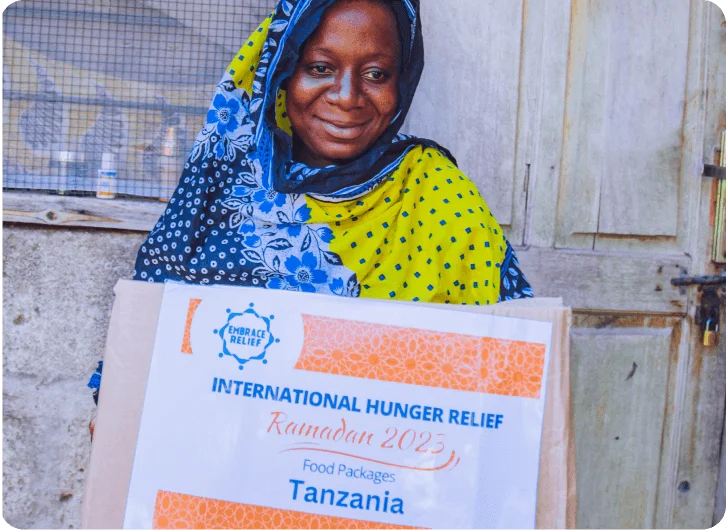
Calculating Zakat can seem complex, but it’s made easier with tools like the Zakat calculator. The basic principle is to give a specific percentage (usually 2.5%) of your qualifying wealth. For accurate calculations, you can use the Embrace Relief Zakat Calculator.
Zakat, a fundamental pillar of Islam, manifests in two distinct forms: Zakat al-Fitr and Zakat al-Mal. Each serves a unique purpose and is calculated differently, yet both are essential in supporting those in need.
Difference Between Zakat al-Fitr and Zakat al-Mal
- Nature: Zakat al-Fitr is a fixed charitable donation required from every Muslim, regardless of their age or financial status, as long as they have the means above their basic needs.
- Timing: It is given at the end of Ramadan, before the Eid al-Fitr prayers.
- Purpose: The primary goal of Zakat al-Fitr is to purify those who fast from any minor indecencies and to provide for the poor, ensuring they can also celebrate the festival of Eid.
- Amount: The amount is generally a fixed rate, equivalent to the cost of one meal, and is determined annually based on local living costs.
- Nature: Zakat al-Mal is an obligatory payment calculated based on the accumulated wealth of a Muslim over a lunar year.
- Timing: It can be paid at any time during the year, but many Muslims prefer to pay during Ramadan.
- Calculation: The amount is typically 2.5% of a Muslim’s total savings and wealth, including cash, gold, silver, and business commodities, that exceed the minimum threshold (Nisab).
- Purpose: Zakat al-Mal aims to redistribute wealth within the Muslim community, assisting the poor, the needy, and other specified categories in the Quran.
Both Zakat al-Fitr and Zakat al-Mal embody the Islamic principles of empathy, generosity, and social welfare. While Zakat al-Fitr is more about ensuring communal participation and happiness during Eid, Zakat al-Mal focuses on the broader redistribution of wealth and reducing economic disparities.
The Impact of Zakat
The impact of Zakat goes beyond mere financial aid; it’s about uplifting entire communities. By giving Zakat, Muslims fulfill a key Islamic tenet while contributing to the eradication of poverty, hunger, and inequality.
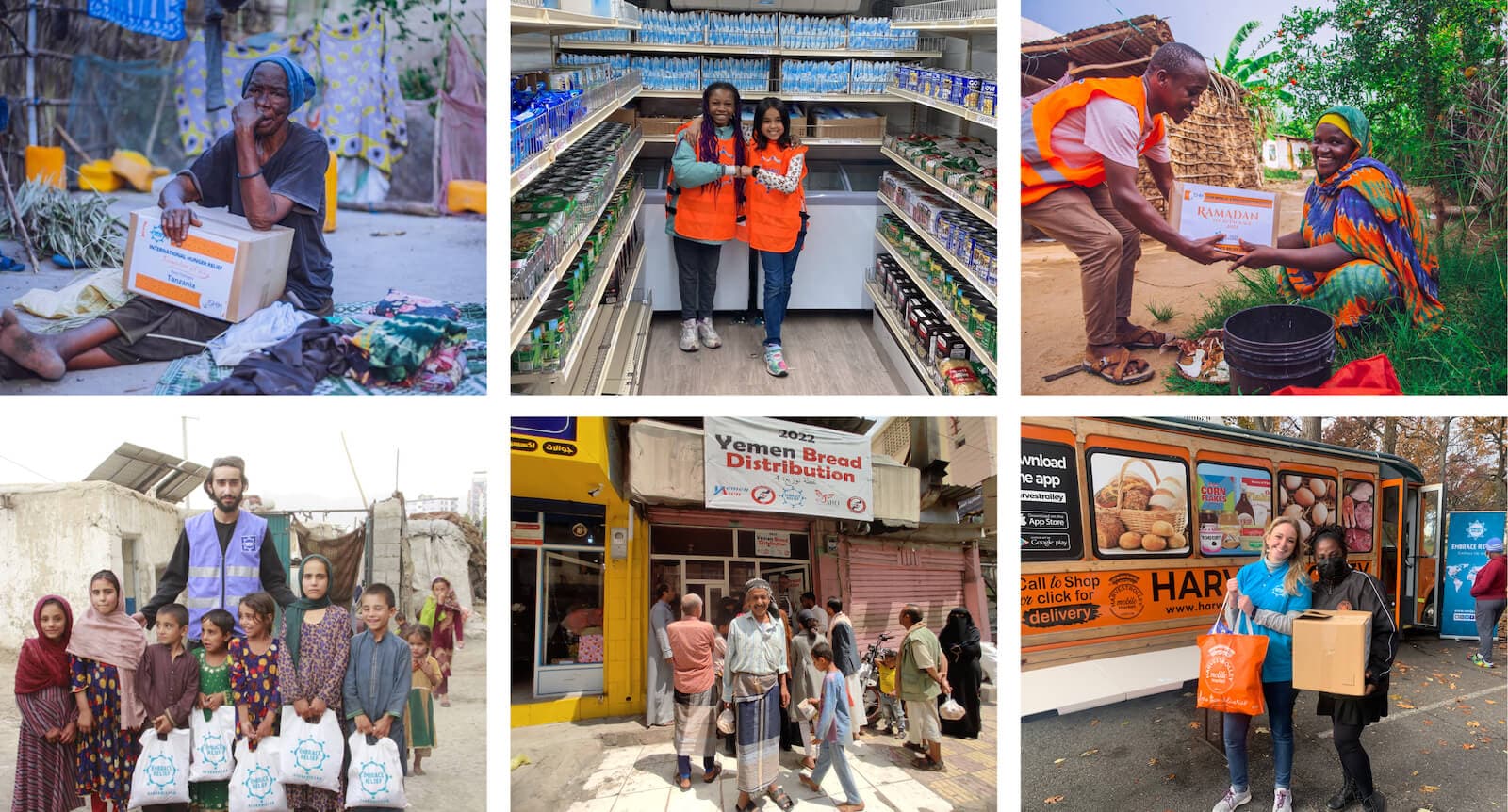
Hunger Relief
Provide meals, food baskets, and emergency nutrition support for families facing hunger.
Frequently Asked Questions on Zakat
Typically, it’s 2.5% of your qualifying wealth. Use the Zakat Calculator for precise figures.
Zakat is meant for specific categories of beneficiaries, including the poor, the needy, and those in debt. You may also give your Zakat to organizations which support people in these categories, such as Embrace Relief. Zakat may not be given to immediate relatives, including spouses, children, parents and grandparents.
Yes, Zakat can be given in the form of food, goods, or money.
Conclusion
Zakat is not just a pillar of Islam; it’s a testament to the faith’s commitment to social justice and community support. By understanding and fulfilling this duty, Muslims around the world contribute to a more equitable and compassionate society. Donate your Zakat today to Embrace Relief and make a difference in the lives of others!