
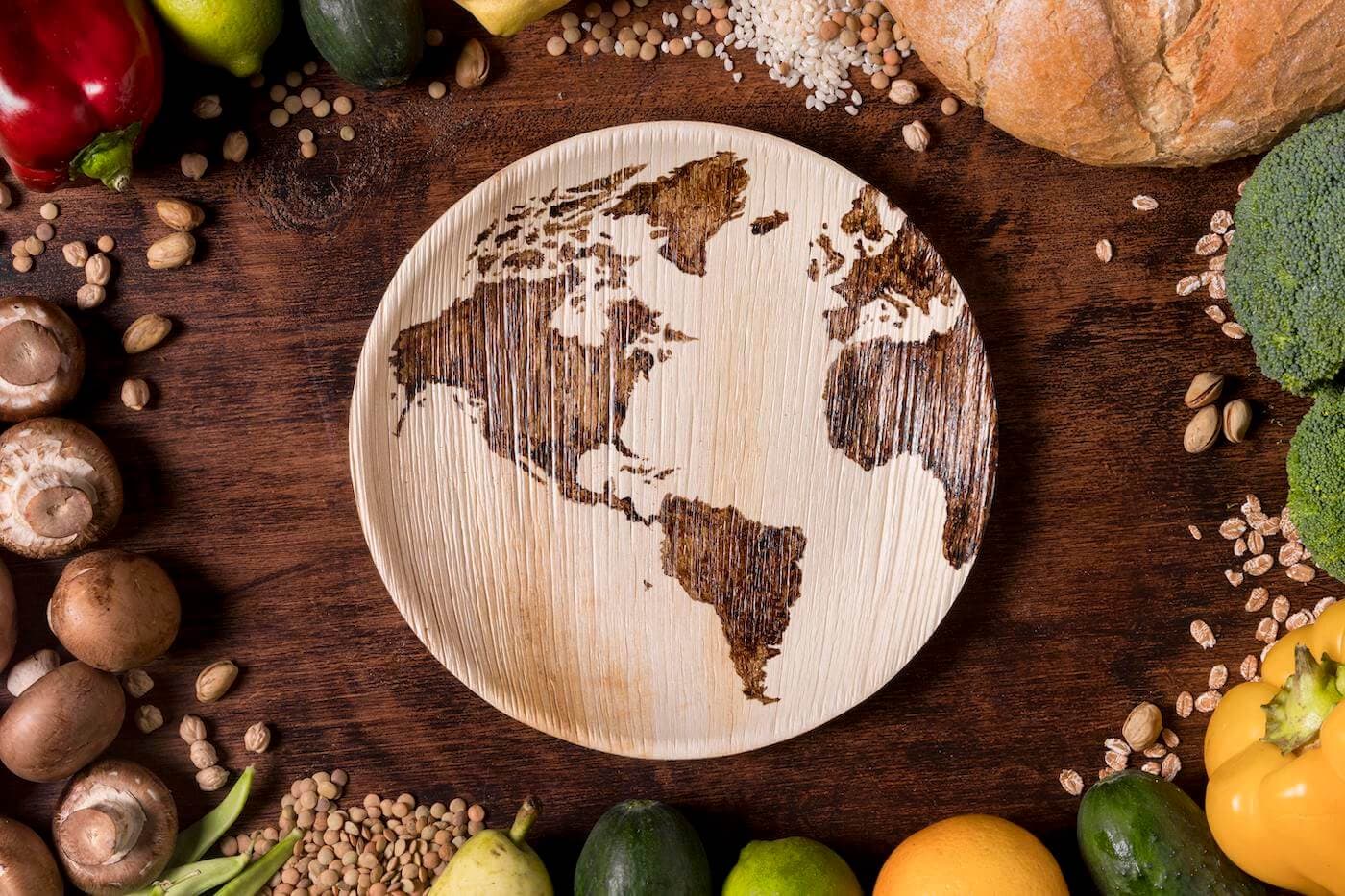
Zero Hunger: Understanding the Mission and How You Can Help
Zero Hunger is a global mission to end hunger, achieve food security, and promote sustainable agriculture by 2030. Learn about key strategies like sustainable farming and food waste reduction, and discover how you can help through local support and advocacy.
The useful part before the long read.
Zero Hunger is one of the 17 UN Sustainable Development Goals aiming to end hunger and promote sustainable agriculture by 2030.
Key strategies include sustainable agricultural practices, improved nutrition programs, food waste reduction, and international policy cooperation.
Individuals can contribute by supporting local food banks, advocating for policy changes, and educating themselves and others about hunger issues.
Community-led initiatives and targeted nutrition programs have shown significant success in reducing malnutrition and increasing food production globally.
The Concept of Zero Hunger
Zero Hunger is a global mission aiming to end hunger, achieve food security, improve nutrition, and promote sustainable agriculture by 2030. It’s one of the 17 Sustainable Development Goals (SDGs) adopted by all United Nations member states in 2015, reflecting a universal call to action to transform our world. Zero Hunger goes beyond addressing immediate hunger needs, focusing on sustainable food systems that benefit people and the planet.
Historical Context and Progress So Far
The battle against hunger has been ongoing for decades, with significant strides made towards reducing global hunger rates. The establishment of the Food and Agriculture Organization (FAO) in 1945 and the launch of the first World Food Programme in 1961 marked the beginning of organized global efforts. Despite progress, challenges like population growth, conflicts, and climate change have hindered efforts. The Zero Hunger goal aims to consolidate and expand upon past successes, ensuring that no one is left behind.
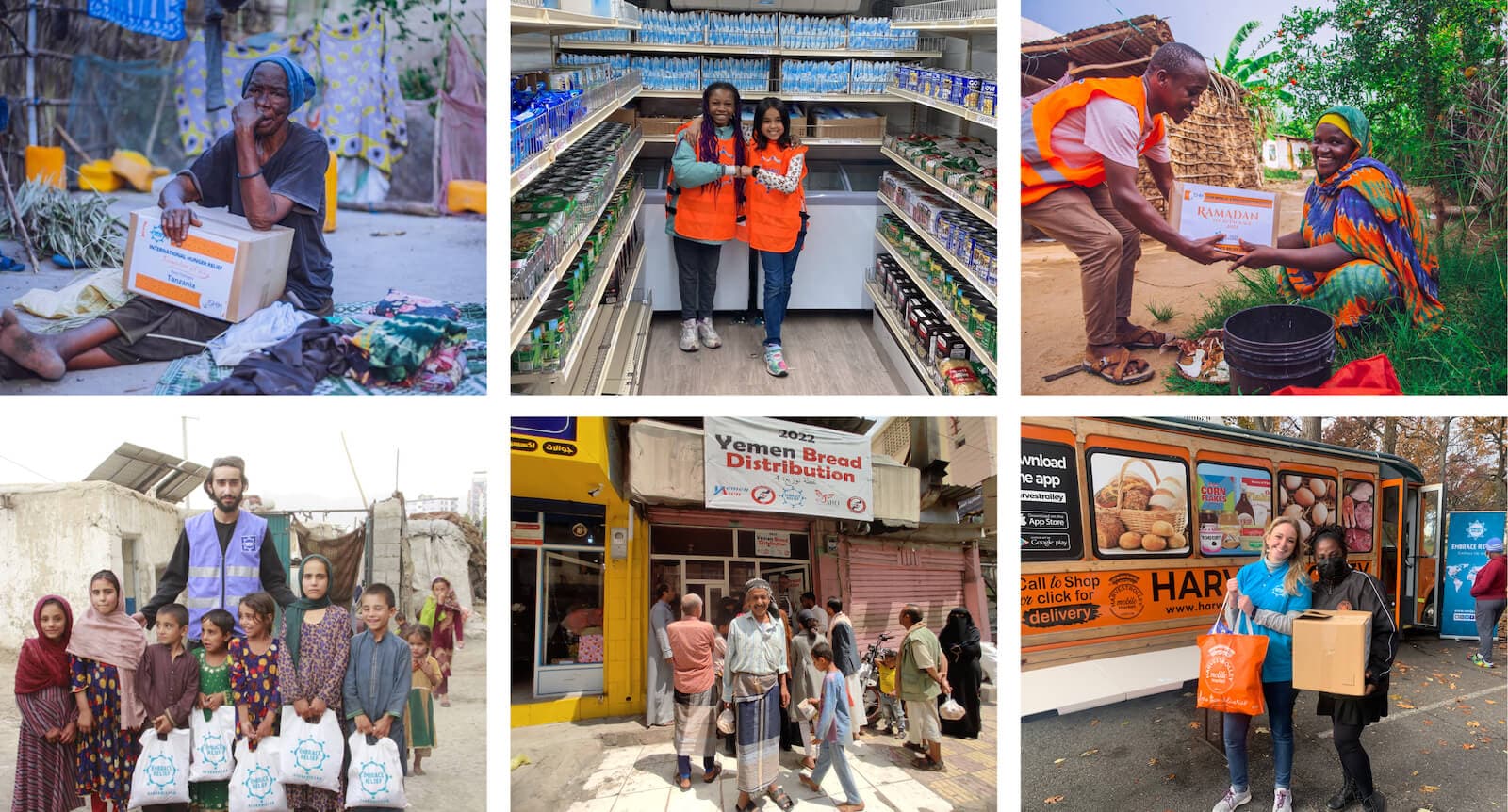
Hunger Relief
Provide meals, food baskets, and emergency nutrition support for families facing hunger.
Key Strategies for Achieving Zero Hunger

Promoting sustainable agriculture is crucial to increasing food production and improving the livelihoods of millions of small-scale farmers. This involves adopting practices that increase productivity, are resilient to climate change, and minimize environmental impact.
Improving nutrition involves ensuring that people have access to a variety of foods that meet their nutritional needs. This includes programs targeting malnutrition in children, pregnant women, and vulnerable populations.
A significant portion of the food produced globally is wasted. Strategies to reduce food waste include improving food storage and transportation methods, promoting consumer awareness, and supporting food redistribution programs.
Achieving Zero Hunger requires coordinated policy efforts at the national and international levels. This includes investment in agricultural infrastructure, support for smallholder farmers, and international trade agreements that promote food security.
How to Get Involved in the Mission
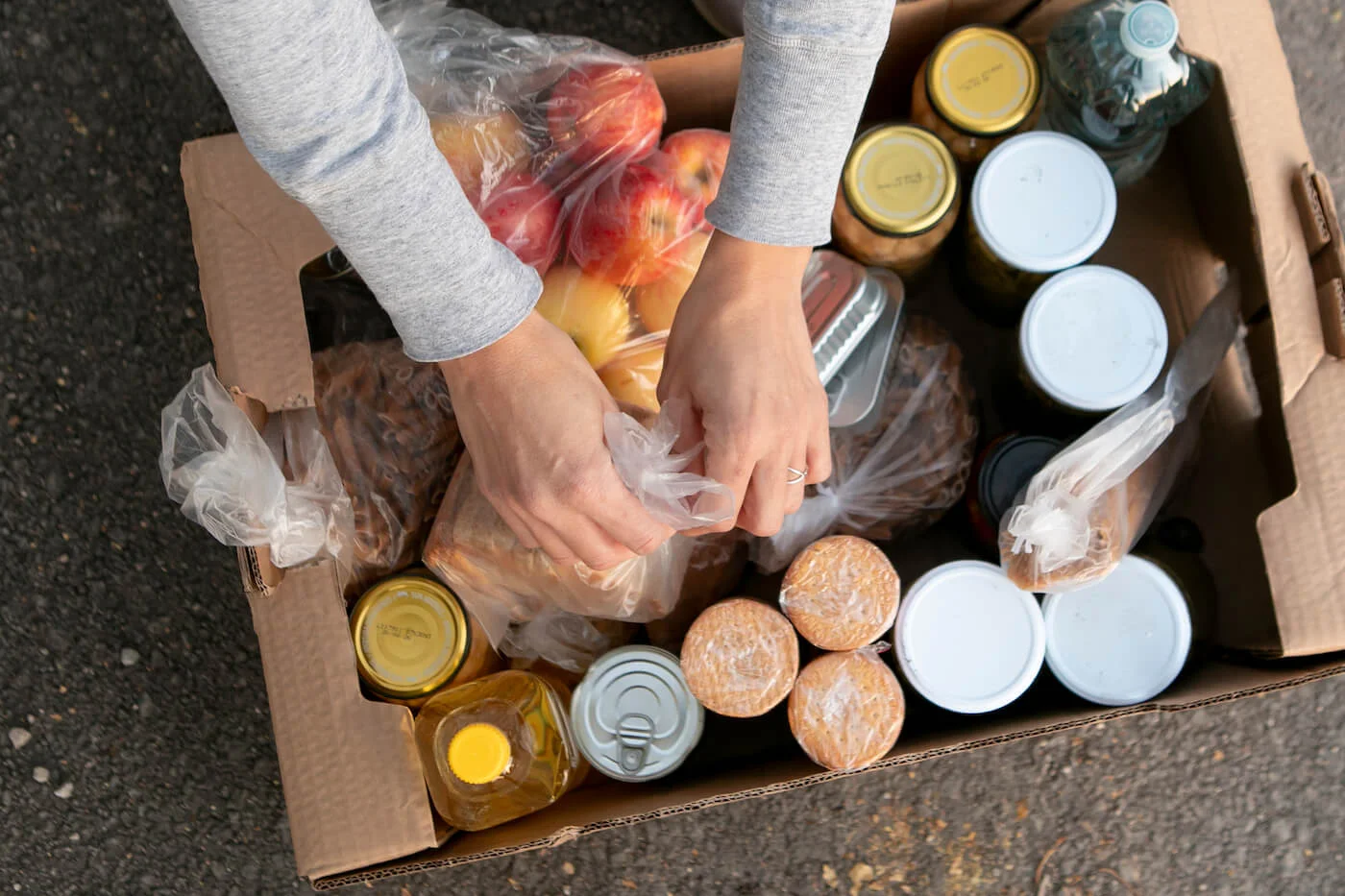
Donating to and volunteering with local food banks and charities are direct ways to help those facing hunger in your community.
Advocating for policies that support sustainable agriculture, nutrition programs, and food aid can have a lasting impact. This can involve writing to legislators, participating in campaigns, or raising awareness through social media.
Educating yourself and others about the causes of hunger and sustainable solutions contributes to a broader understanding and support for the Zero Hunger mission.
Stories from around the world illustrate the impact of efforts towards Zero Hunger. For instance, community-led initiatives in sub-Saharan Africa have empowered smallholder farmers through access to technology and markets, significantly increasing food production. Nutrition programs in South Asia have reduced child malnutrition rates, demonstrating the success of targeted interventions. Check out our blogs for more success stories!
Further Resources
The mission of Zero Hunger is ambitious but achievable with collective action. Everyone has a role to play, from individuals to governments and international organizations. For further information and to get involved, resources are available through the United Nations, the World Food Programme, and various NGOs (like Embrace Relief) dedicated to ending hunger. Together, we can make Zero Hunger a reality, ensuring a future where everyone has access to the nutrition they need to lead healthy, productive lives.