
8 benefits of drinking water
Drinking water is essential for regulating body temperature, mental focus, and organ function. Embrace Relief works to provide clean water access to communities in Africa through the Clean Water Initiative.
The useful part before the long read.
The human body is 60 percent water, requiring consistent hydration to maintain critical biological processes.
Proper hydration regulates body temperature, lubricates joints, aids digestion, and improves blood circulation.
Dehydration can negatively impact mental focus, skin health, and long-term kidney function.
Embrace Relief has funded over 450 new water wells in Cameroon, Chad, and Nigeria to provide clean water access.
Why Hydration Matters
There’s almost never a bad time to drink a glass of water. The human body is 60 percent water, and so it makes sense that every ounce we drink is important for maintaining our body’s processes.
Whether you are engaging in strenuous exercise, staying in the shade on a hot day, or simply trying to be at your best mentally, a glass of water can give you a big lift. Proper hydration includes drinking small amounts of water throughout the day, for an average of 3-4 liters per day.
8 Key Health Benefits of Water
What are the health benefits from drinking water? There are too many to count, but here are eight big ones to think about:
Regulating your body temperature: Water is especially important during the warm summer months, because that’s when we typically sweat the most. Sweat is our body’s release of water to the surface of our skin when our body is too hot. When that water evaporates, it cools down our bodies and prevents us from overheating. However, that water needs to be replaced. Drinking water when you sweat is one of the most important ways to stay healthy during the summer (or while working out). Failing to do so can cause serious harm to the body, and even death.
Staying mentally focused: Dehydration, even mild and short-term, can have a noticeable negative effect on your brain. Water is vital for the brain’s function, and studies show that dehydrated people have more short-term memory issues, reduced energy, impaired mood, and reduced focus and concentration. Long-term dehydration can actually even shrink your brain cells’ size and mass, resulting in cognitive decline.
Clearing your skin: Being hydrated is important in having your skin serve its role as your body’s protector and regulator. Drinking water is also important for the look of your skin: dehydrated skin can be cracked and dry. Well-hydrated skin is much more smooth, soft and clean.
Lubricating your joints: Our joints (think knees, elbows, shoulders) need water to function, as does the cartilage that connects those joints. Your body produces a gel called “synovial fluid,” which cushions your joints and cartilage. When you’re properly hydrated, this fluid prevents your joint bones from rubbing together, which can be very painful.
Maintaining your digestive system: Water helps break down the food we eat, promotes good bowel health, and prevents constipation. Staying properly hydrated also keeps the stomach in good working order.
Helping blood flow: Staying hydrated improves your blood circulation, which is important because your blood circulation is the mechanism by which oxygen and nutrients are delivered to every part of your body. Warm water especially is helpful – it opens your veins and arteries, allowing for blood to pass through quicker and easier.
Curbing your appetite: For people looking to lose weight or cut down on their sugar intake, drinking water is a much healthier option than drinking sugary sodas, coffees, teas, sports drinks, or other beverages. But water can also be a useful aid in consuming the right number of calories during meal time. Drinking a glass of water about 30 minutes prior to a large meal will help your body ‘feel’ full sooner and prevent you from over-eating.
Protecting your kidneys: Water is crucial for avoiding kidney damage, because it dissolves minerals and nutrients in the kidney, and helps to remove waste products as well. A lack of water over a long-enough time period can lead to painful kidney stones, or to long-term kidney damage and even failure.
The Global Water Crisis
Water truly is a remarkable resource. We can’t survive without it, and our families and communities can’t thrive without it.
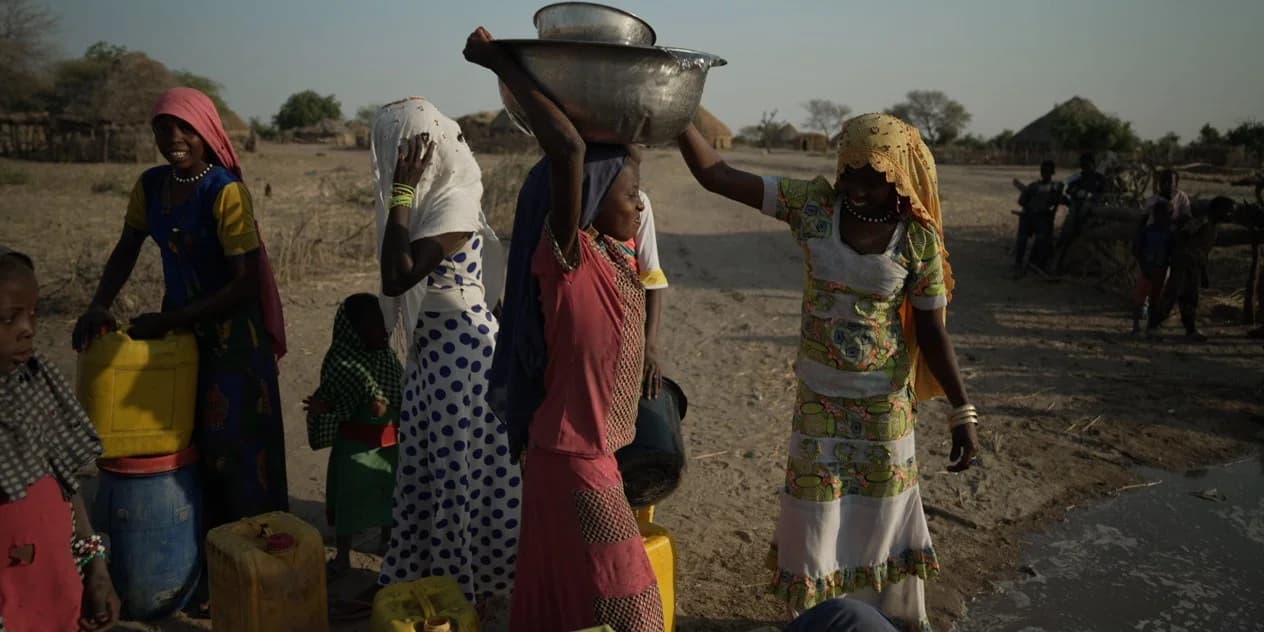
If you’re fortunate enough to live in a part of the world where drinkable water is just a few steps and a turn of the faucet away, it’s easy to take all of these benefits for granted. Try to put yourself in the shoes of someone in sub-Saharan Africa, where 400 million people do not have an accessible source of clean water. Think about facing the choice between chronic dehydration and drinking potentially dangerous untreated water from a river, lake or pond.
Support our work by donating: Give $15 | Give $30 | Give $250 | Give $500 | Give $1,300
Embrace Relief’s Clean Water Initiative
At Embrace Relief, we’re working to make clean water accessible to all, and to make sure no one on Earth needs to make such a terrible choice. Now, we need your help.
Through our Clean Water Initiative, we have funded the construction of 450 new water wells, and the reconstruction of 50 pre-existing water wells, in the African nations of Cameroon, Chad and Nigeria. These wells are providing water to more than 500,000 people for at least the next five years.