
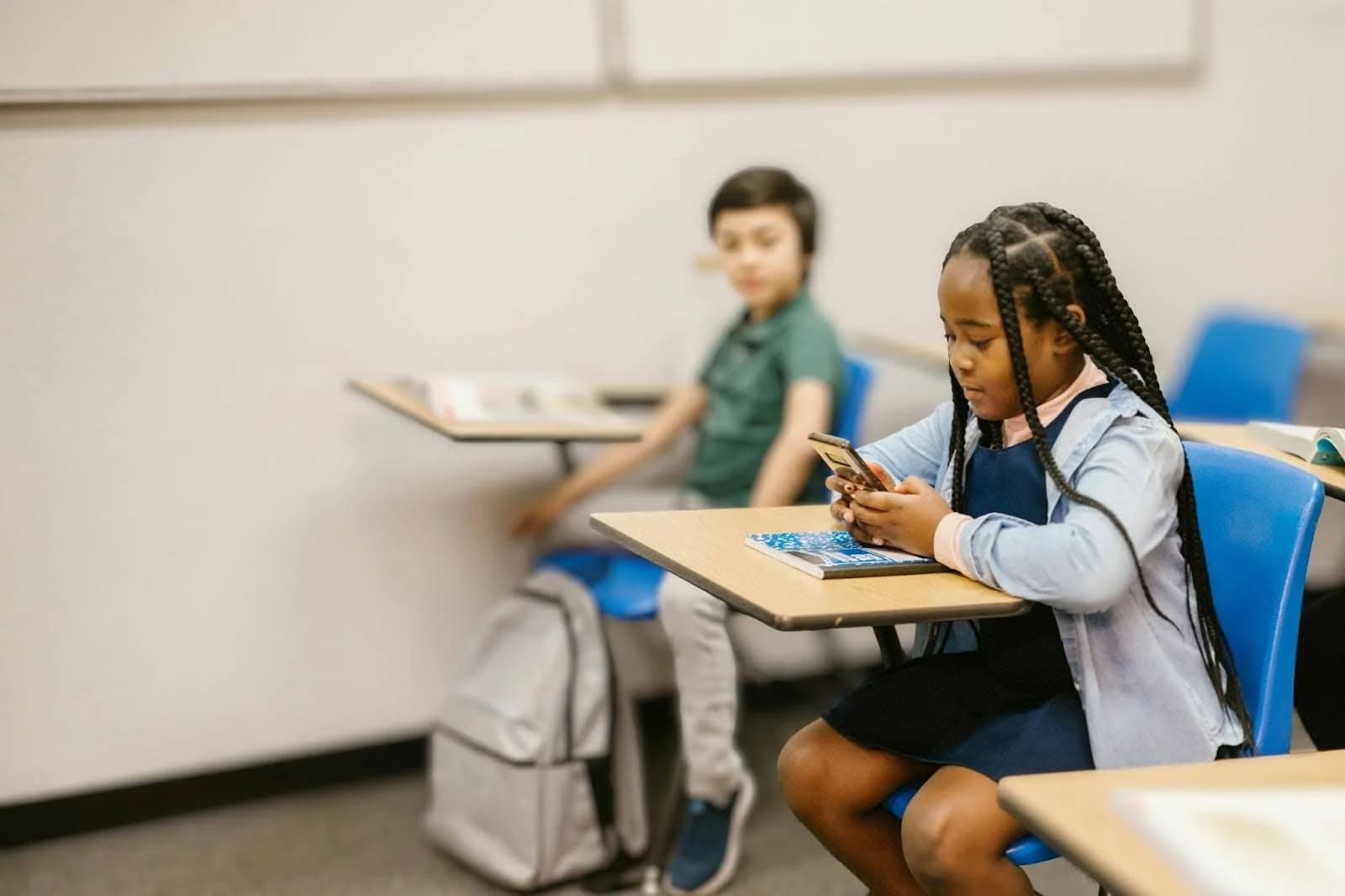
Children’s Vision: 5 Myths That Keep Kids Out of School
Untreated vision problems keep children out of school and limit their future opportunities. This article debunks five common myths about children's eye health and highlights Embrace Relief's work providing free cataract surgeries in Mali.
The useful part before the long read.
Common myths, such as children outgrowing vision problems or glasses worsening eyesight, prevent families from seeking necessary eye care.
Behaviors like squinting or sitting close to screens are often signs of poor vision, not bad habits, and require professional screening.
Embrace Relief has completed over 40,000 free cataract surgeries in Mali, restoring sight in rural communities where access to care is limited.
Simple interventions like corrective glasses or 15-minute surgeries can dramatically improve a child's school performance and social development.
The Impact of Untreated Vision Problems
Most of us take eyesight for granted until something goes wrong. For children, untreated vision problems don’t just make homework harder, they can keep kids out of school entirely, limit social development, and reduce future opportunities. Below are five common myths that stop families and communities from seeking care, why each myth is harmful, and what to do instead.
Myth 1: “Kids will outgrow vision problems”
Many vision problems, refractive errors (near- and farsightedness, astigmatism), amblyopia (lazy eye), and in some cases cataracts, do not simply go away. Early detection is crucial: when problems are found and treated early, children learn better, participate more, and avoid long-term vision loss.
What to do: Routine school or community screenings and prompt referrals to an eye clinic. Even simple corrective glasses can change a child’s school performance overnight.
Myth 2: “Squinting or sitting close to the TV is just a habit”
Squinting, frequent rubbing of the eyes, sitting very close to screens, or avoiding reading are common signs of poor vision. These behaviors often lead caregivers to blame laziness rather than look for an eye problem.
What to do: Treat these behaviors as a cue for screening. Local health workers and teachers can be trained to spot these signs and refer children for eye tests.
Myth 3: “Cataracts are only for older people, kids don’t get them”
While age-related cataracts are common in older adults, cataracts can and do affect children and young adults, especially in areas with limited access to care or where certain infections and nutritional issues are more prevalent. Pediatric cataracts are treatable, and timely surgery can restore sight and keep a child in school.
Myth 4: “Home remedies and eye drops will fix serious problems”
Home remedies can delay real care and, in some cases, cause harm. Serious conditions like cataracts, glaucoma, and severe refractive errors require professional diagnosis. Delays can mean permanent vision loss.
What to do: Provide clear, culturally appropriate messaging that explains which symptoms need urgent referral and which mild complaints can be managed conservatively. Provide a list of trusted local referral points.
Myth 5: “Wearing glasses will make my child’s eyesight worse”
Glasses correct refractive errors and improve learning; they do not weaken the eye. Refusing glasses because of stigma or misconception prevents children from seeing clearly in class and can risk lifelong disadvantages.
What to do: Pair spectacle distribution with education: normalize glasses by showing local role models, giving low-cost or free frames, and ensuring follow-up for repairs and replacements.
Cataracts in Mali: A Preventable Crisis with a Simple Solution
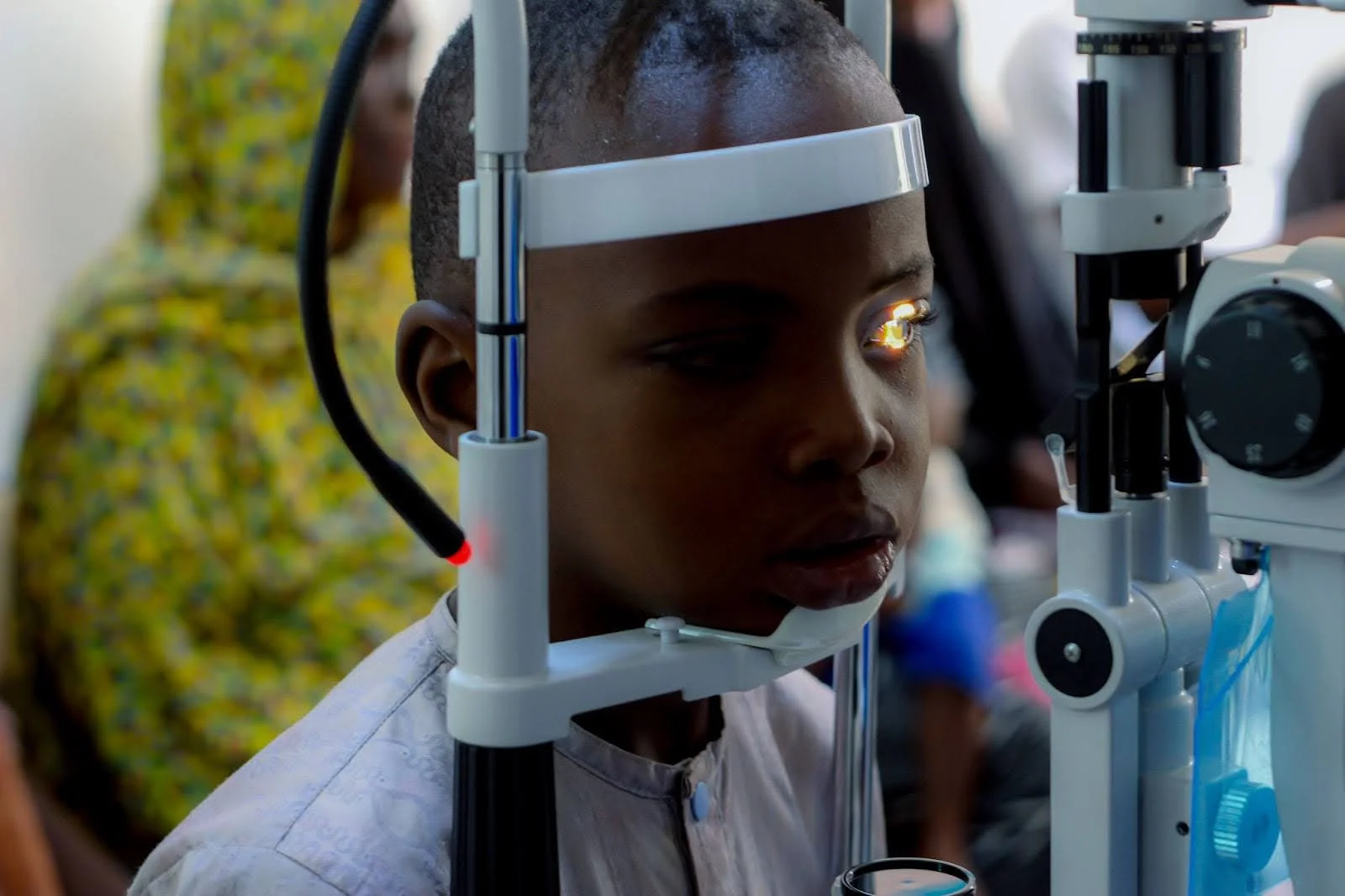
While cataracts are easily treated in many countries, in Mali they often mean a lifetime of blindness, not because the cure doesn’t exist, but because people can’t access it. Rural communities may be hundreds of miles from an eye doctor; travel costs, lost wages, and lack of awareness keep people from seeking care.
That’s where Embrace Relief steps in.
We’ve launched a nationwide cataract surgery program in Mali that brings free, sight-restoring care directly to communities. Partnering with local doctors, health workers, and volunteers, our mobile surgical teams identify patients, perform surgeries, and provide post-operative care in the places people already live and work.
Our Impact So Far (program highlights):
- Over 40,000 cataract surgeries completed.
- Focused outreach in rural, underserved areas.
- Restored sight for farmers, parents, elders, and children.
- Each surgery takes about 15 minutes and costs roughly $120, a small amount with a lifetime of benefit.
Every child deserves the chance to read the chalkboard, play with friends, and dream big. But for thousands of kids, poor vision makes school impossible. Too often, families believe myths that keep children from getting help. The good news?
Most of these problems are easy to fix, sometimes with a simple surgery. And with your support, Embrace Relief can provide these life-changing surgeries for free to those who need them most.
Join us today and help a child see their future clearly.
For more information on Embrace Relief’s Cataracts Surgeries , click here!