The Journey of a Drop: From Source to Tap, Is Tap Water Safe and What Makes “Supreme Water” ?
Tap water in developed nations is highly regulated and safe, often surpassing bottled water in quality while avoiding environmental costs. Meanwhile, Embrace Relief is addressing the global water crisis by building wells in Africa, providing clean, safe drinking water to over 1.2 million people.
The useful part before the long read.
Tap water is heavily regulated and often safer than bottled water, which frequently contains microplastics.
Premium 'supreme' bottled water is largely a marketing construct with significant environmental drawbacks.
Embrace Relief has built or restored over 1,500 water wells, providing clean water to 1.2 million people in Africa.
Donations of $1,500–$3,500 can restore or build wells that serve entire communities for years.
The Journey of a Drop: Is Tap Water Safe?
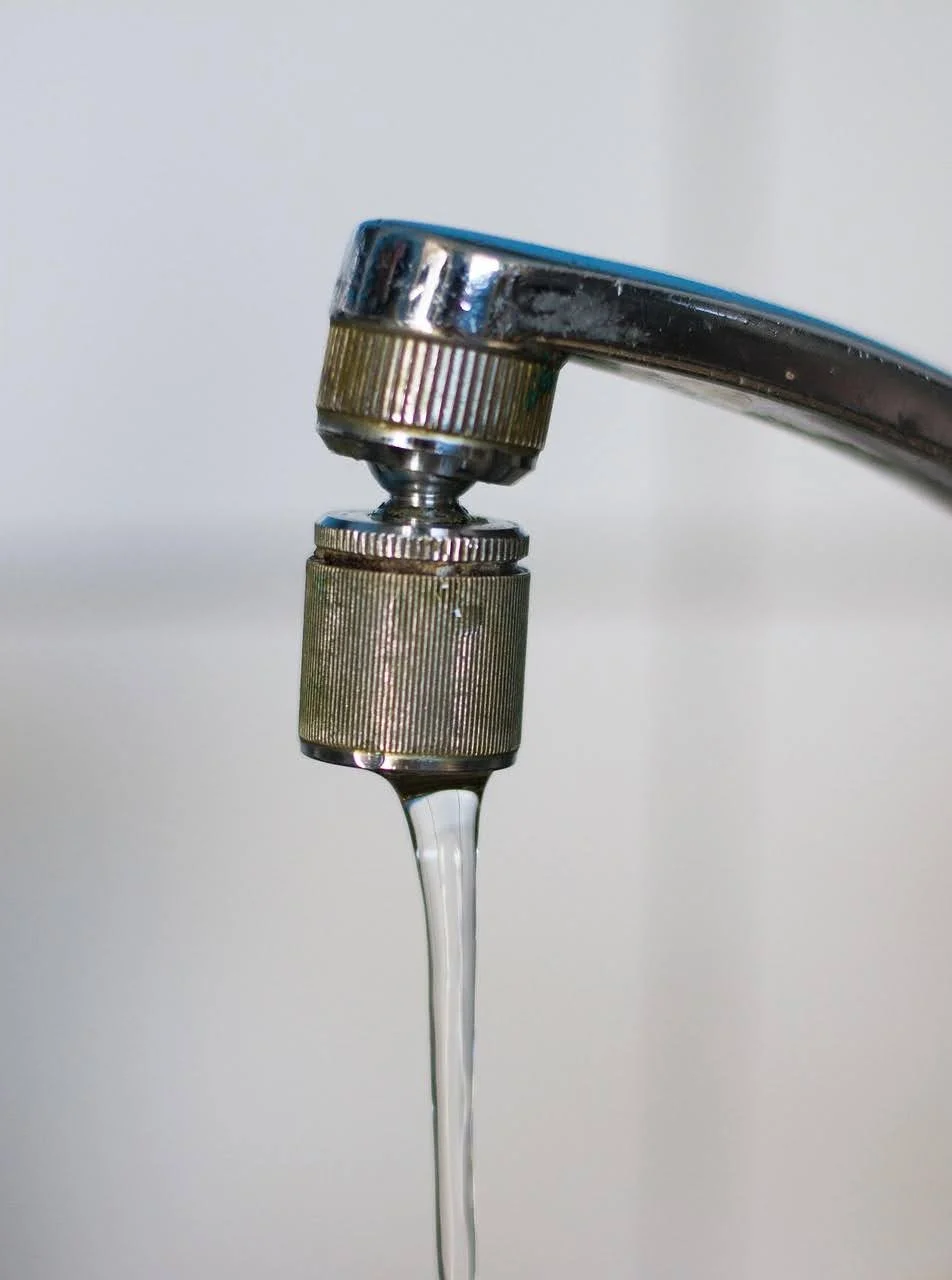
When you fill a glass from your tap, that drop of water has already traveled an incredible journey through rivers, aquifers, reservoirs, and treatment plants. But the big question remains: is tap water safe to drink?
In most developed countries, the answer is yes. Tap water is heavily regulated, tested for bacteria, chemicals, and heavy metals before it ever reaches your home. Treatment processes like chlorination, ozonation, and UV light eliminate harmful pathogens, making tap water not just safe, but often healthier than you think.
Still, many people distrust tap water and turn to bottled water. This raises another question: what’s the difference between tap water and bottled water?
Tap Water vs Bottled Water: Which is Better?
- Tap water: Regulated by strict government standards, cheap, environmentally friendly, and in many cases, just as clean (or cleaner) than bottled water.
- Bottled water: Convenient, but often far less regulated. Studies show many brands are simply filtered tap water repackaged at a steep markup. A 2018 study even revealed that 93% of bottled water contains microplastics.
What Is “Supreme Water”?
Luxury brands like Evian, Voss, and Fiji market themselves as “supreme” bottled water. But what qualifies as supreme water?
- It often comes from exotic sources like glaciers, volcanic springs, or artesian wells.
- It may contain natural minerals that affect taste or texture.
- Most importantly it’s branded as a luxury lifestyle product.
But the truth is, “supreme” water isn’t necessarily cleaner or safer than tap water. What you’re really paying for is branding, exclusivity, and convenience.
The Hidden Cost of Bottled Water
The bottled water industry is worth over $300 billion globally, but it comes at a huge environmental price:
- 600+ billion plastic bottles are produced each year, less than 30% are recycled.
- Producing one bottle consumes 2–3x the amount of water it actually contains.
- By 2050, experts warn there could be more plastic than fish in the ocean.
So while fans at a football match might pay $4–$5 for a “supreme” bottle, the real question isn’t just about safety or taste, it’s about sustainability and access.
Because for millions of people around the world, the real luxury isn’t bottled water, it’s simply clean water.
The Most Valuable Water: How Embrace Relief Brings Clean Water to Africa
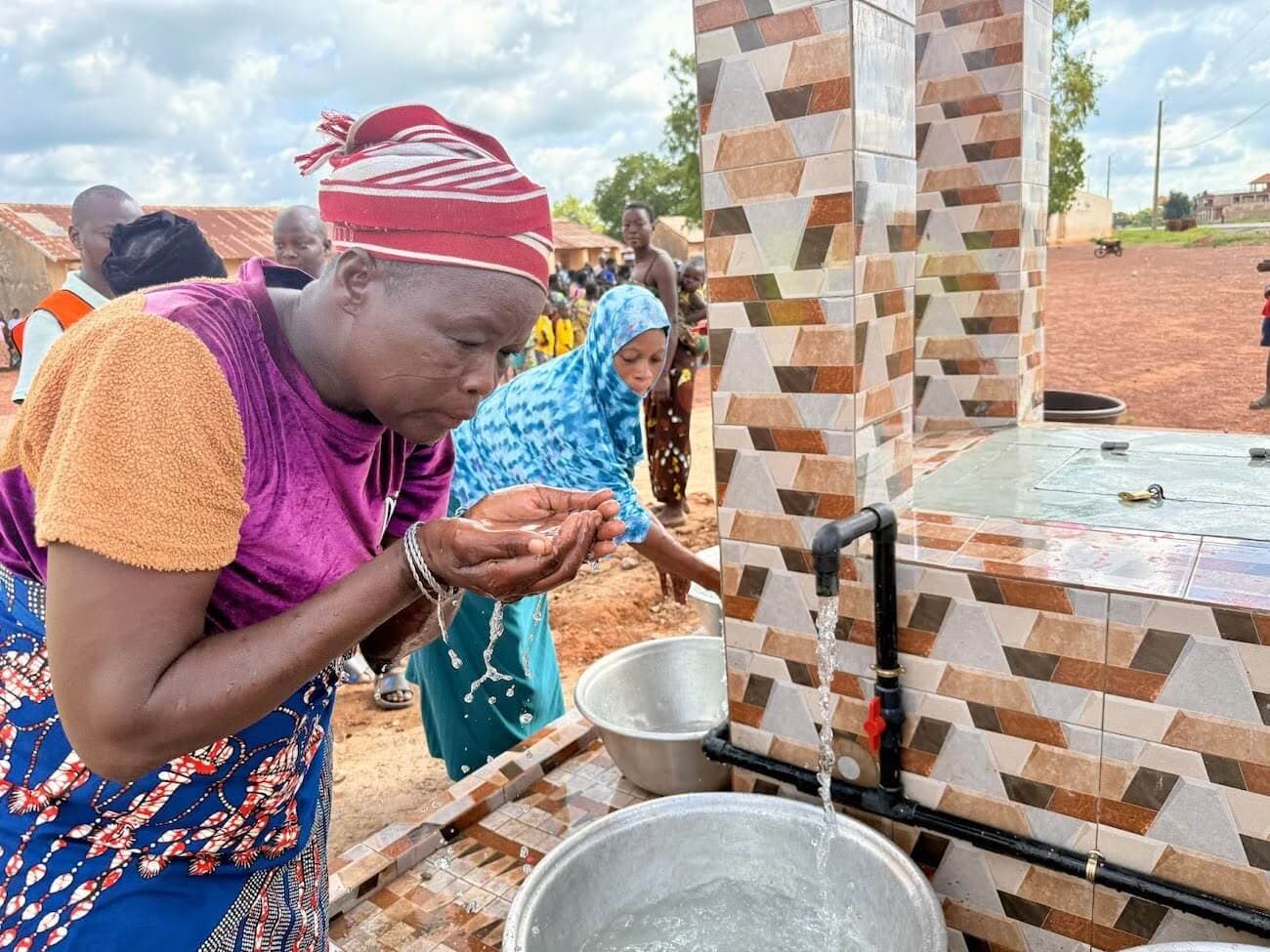
In countries like Cameroon, Chad, Benin and Nigeria, families walk miles every day to collect water, often dirty, contaminated, and dangerous. Waterborne illnesses like cholera and typhoid kill thousands every year, especially children.
For these communities, the “most valuable water” isn’t bottled or branded, it’s clean, safe drinking water.
That’s why Embrace Relief launched its Clean Water Initiative, which has already:
- Built or restored 1,500+ water wells
- Provided clean water to 1.2 million people across Africa
- Reduced waterborne diseases, boosted school attendance, and empowered women
How You Can Help
- $3,500 builds a new well serving 1,000+ people.
- $1,500 restores an existing well, bringing safe water back to an entire community.
Each project comes with a 5-year warranty, annual maintenance, a dedication plaque, and impact reports.
Since 2013, Embrace Relief has built or restored more than 1,500 wells across countries like Chad, Nigeria, Uganda, Kenya, and Cameroon, delivering clean water to over one million people.
For more information on Embrace Relief’s Clean Water Initiative, click here!