Types of Blindness
Approximately 43 million people worldwide are blind, with 89% of cases concentrated in developing countries. Understanding the types, causes, and symptoms of blindness is crucial for early intervention and maintaining eye health.
The useful part before the long read.
43 million people are blind globally, with 89% of cases in underdeveloped countries.
There are five primary types of blindness: complete, partial, congenital, legal, and nutritional.
Common causes include infections like trachoma, non-infectious diseases like cataracts and glaucoma, and trauma.
A cataract surgery costs only $120 and can restore sight to individuals in need.
Global Impact of Blindness
Many factors can contribute to blindness or visual impairment. To maintain eye health and overall well-being, it is essential to know the types, causes, symptoms, and treatments for blindness. In the U.S., there are more than 1 million people are blind. Globally, approximately 43 million people are blind, with 89% of these cases being in developing countries. Access to basic health services like full-body checkups means early intervention and lessens the likelihood of vision loss, a luxury millions of people worldwide do not have.
Types of Blindness and Symptoms
Complete blindness: Zero vision, including inability to see or detect light.
Partial or low blindness: Some vision, often blurry or dark.
Congenital blindness: Born with poor vision for several reasons, including inherited genetics, retinal conditions, and non-inherited birth defects.
Legal blindness: A term used in the United States to describe a person with 20/200 vision or who has severe vision loss in their field of vision or peripheral vision.
Nutritional blindness: A person may experience vision loss due to a vitamin deficiency.
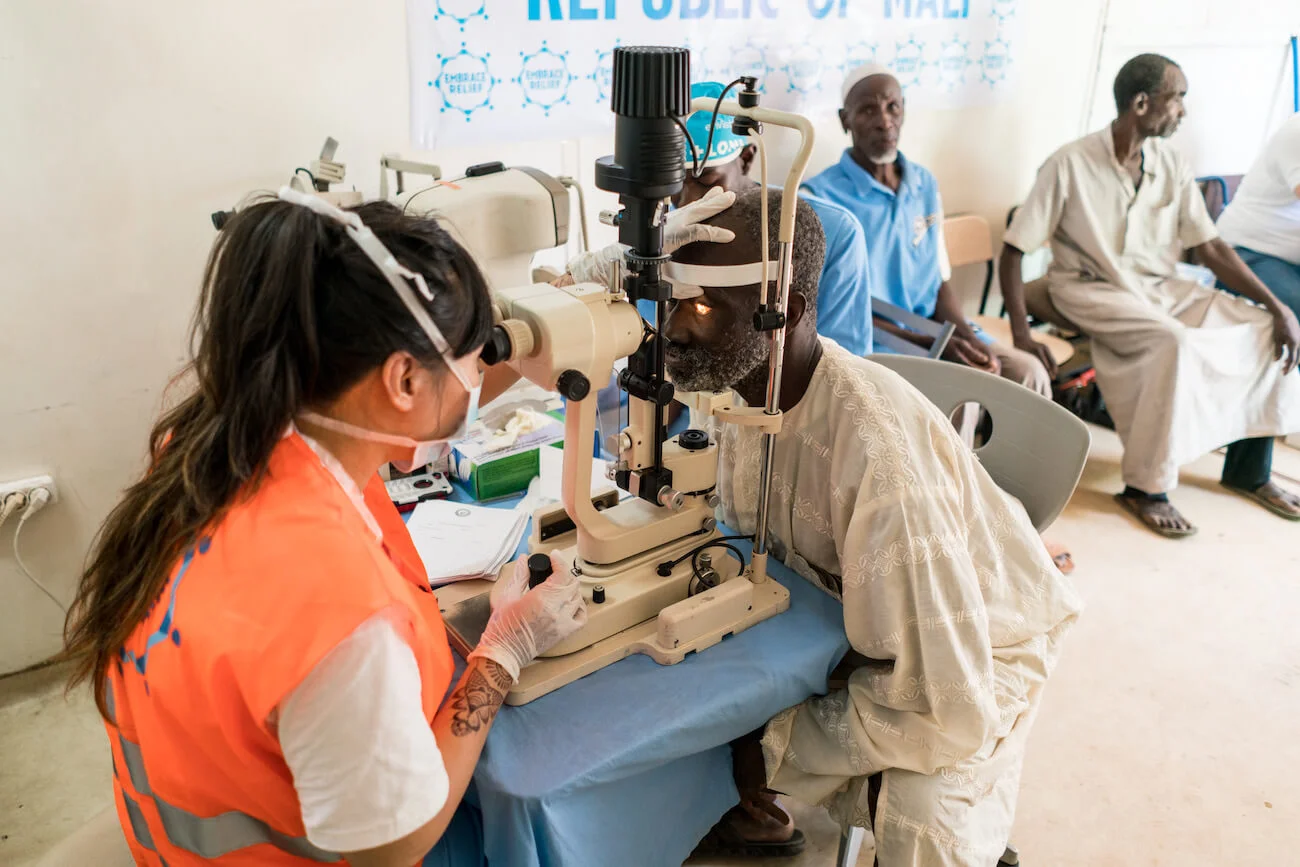
Recognizing the symptoms of vision loss is crucial, as it could prompt you to seek medical advice and receive early intervention to prevent blindness.
- Blurry vision
- Double vision
- Eye pain
- Floaters and flashes
- Sensitivity to light
- Sudden blackspots or loss of vision
Causes and Treatments
There are many different conditions that can cause partial or complete blindness. including infections, non-infectious diseases, eye injuries or head trauma.
Infections
- Keratitis, including acanthamoeba keratitis
Non-infectious Diseases
- Diabetes-related retinopathy
- Cancer
- Nutritional deficiencies
Eye Injuries and Head Trauma
- Chemical burns
- Exposure to toxins
- Fights
- Fireworks
- Industrial accidents, including falls
- Motor vehicle crashes
- Sports
Reducing Risk and Global Health Initiatives
To reduce your risk of vision loss and blindness, it is important to maintain a healthy lifestyle, including seeing an ophthalmologist, or eye doctor, for annual check ups and eye exams. Most eye doctors utilize the Snellen Test, which entails the patient reading lines of the alphabet that become smaller as they go down the page; this test measures central vision, or what one can see in front of them. To test one’s field of vision, including peripheral, a provider may use the Visual Field Test, or Perimetry Test.
With 89% of the world’s blind population living in developing countries, there is an undeniable need for improved access to health and medical services. Embrace Relief addresses global health inequality and global health security by creating positive health outcomes and expanding access to affordable care for vulnerable communities.
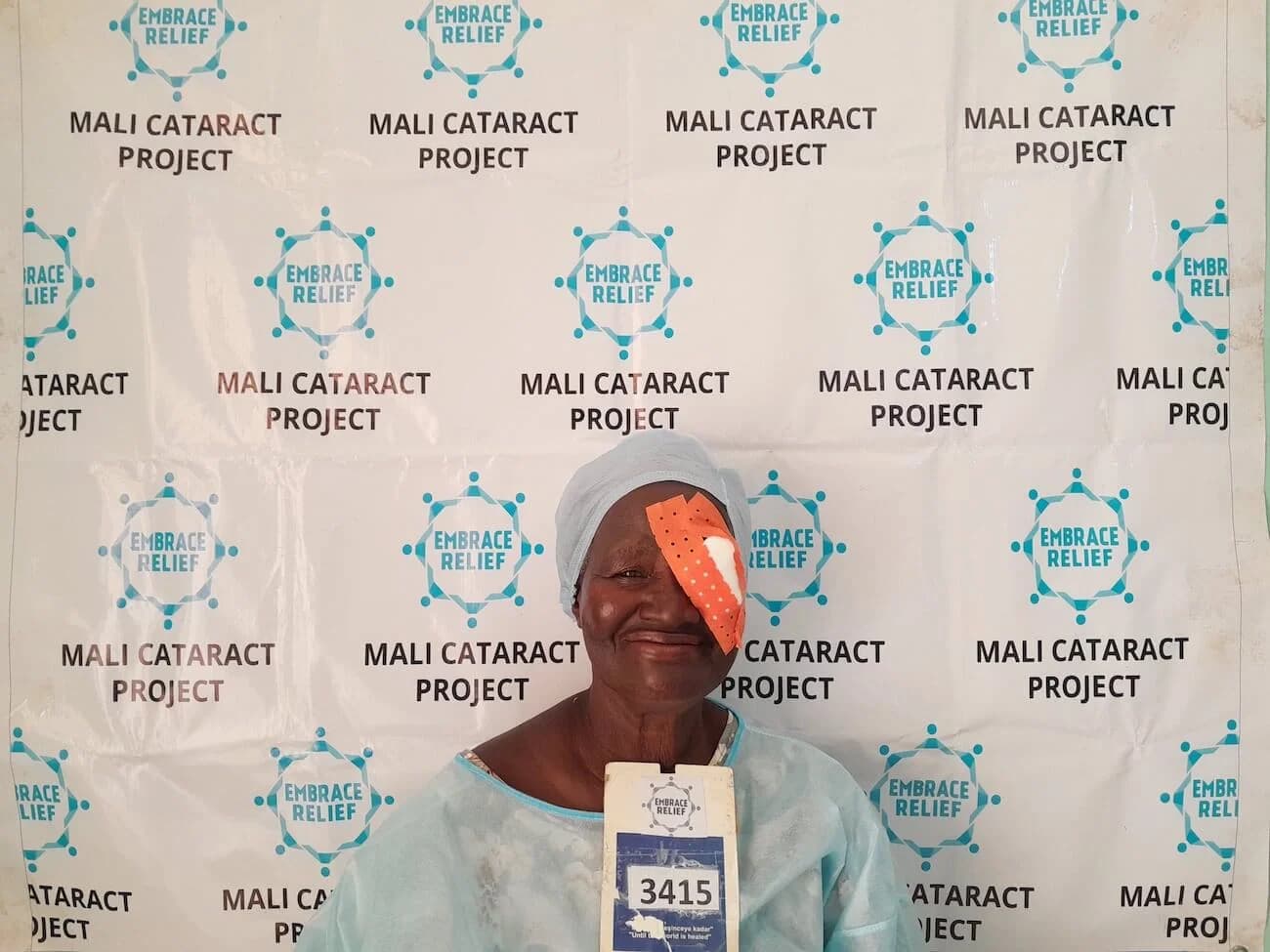
We achieve this mission through the provision of free cataract surgeries, full-body health screenings, and medicine, as well as facilitating the acquisition of medical supplies and equipment. Embrace Relief’s Health-Cataract program operates in Mali, Afghanistan, Kenya, Uganda, and Burkina Faso. It aims to promote sustainable development by increasing the quality of life, educational success, workforce participation, and social development.
You can give someone the gift of sight by making a donation of any amount. Donate today – just $120 covers the cost of one cataract surgery and health/eye screenings for 15 other people!