
Water Sanitize Tactics: The Key to Sterilizing Water
With nearly 800 million people lacking access to clean water, effective sterilization tactics like well rehabilitation and spring protection are vital. Learn how Embrace Relief is implementing these solutions in Africa to improve global health.
The useful part before the long read.
Over 785 million people globally lack access to basic water services, making sterilization tactics critical.
Key water sanitize tactics include protecting natural springs, using self-sustaining technology, and building or rehabilitating wells.
Embrace Relief has built 409 wells in sub-Saharan Africa since 2013, supplying clean water to 400,000 people daily.
Ongoing maintenance and monitoring are essential to ensure wells remain effective and water stays uncontaminated.
The Global Need for Clean Water
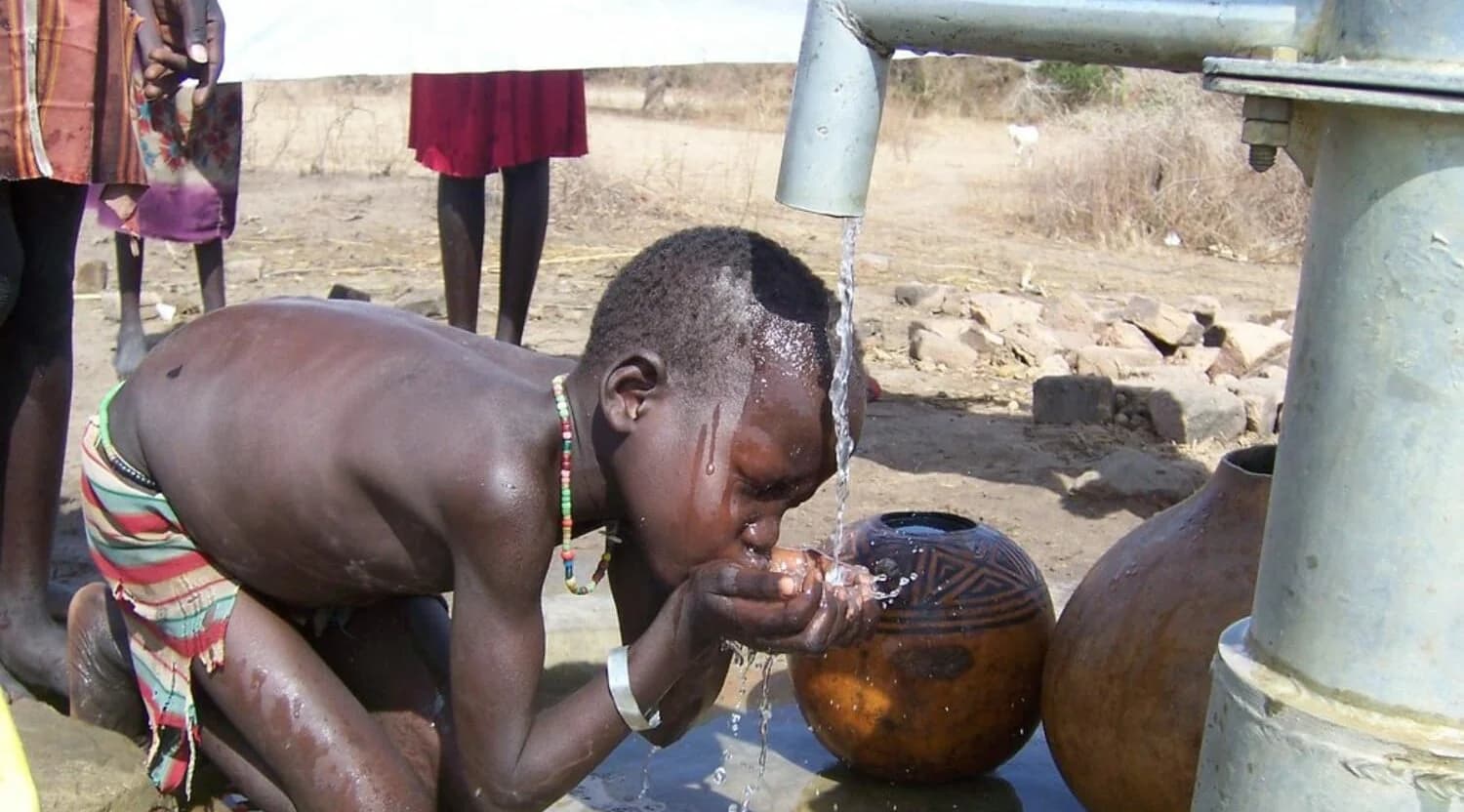
Sterilizing water is becoming more and more important throughout the world due to lack of access to clean water in certain regions, which has led to many Water Sanitize Tactics. Globally more than 785 million people do not have access to basic water services, and more than 884 million do not have safe water to drink.
Many reasons abound for this — such as extreme poverty, natural disasters contaminating water, lack of physical clean water reserves, etc.— but one thing is certain: It’s important for these areas to invest in clean water and sanitation solutions as soon as possible. By obtaining water from clean water resources and sanitizing water, we can both save and improve the quality of millions of people’s lives. There’s no single, best way to purify water, but below are a number of potential ones.
Effective Water Sanitize Tactics
Protect Natural Springs — Natural springs can be easily contaminated so fashioning a spring box or house around them to keep out animals, leaves, and debris drastically reduces the likelihood of contamination. Spring water can then be piped to a holding tank. However, springs are open to groundwater runoff, which makes them easily contaminated, and they must be monitored and protected on a regular basis. Therefore, they aren’t among the most effective clean water and sanitation solutions.
Self-Sustaining Sterilizing Water Technology — A European-African alliance recently developed a water cleaning system for rural Africa that removes pathogens from the water; thereby, purifying chemical contaminants and acting as a water disinfectant. The technology is self-sufficient and easy to use, but is still fairly new, as only two units are currently in use: one in Mozambique and one in South Africa.
Rehabilitate Old Wells — Wells, well, sanitize well (no pun intended). However, there are many—particularly in Africa—that used to be effective, but are no longer operational due to aging and use. Therefore, rehabilitating them so they’re functional again is a viable Water Sanitize Tactic. Ways to rebuild wells include building a wall around the top with a reinforced concrete drainage apron that prevents surface water from running to the well. However, unfortunately, well water cleaning and constant maintenance is required to ensure they remain effective.
Build New Wells — Rather than rehabilitating old wells, building brand-new ones is also a viable Water Sanitize Tactic. Each well costs about $8,000 USD and can serve about 2,000 people. However, like reconstructing old wells, new ones need to be constantly maintained, as to disinfect well water and ensure it doesn’t become contaminated.
Embrace Relief’s Impact in Africa
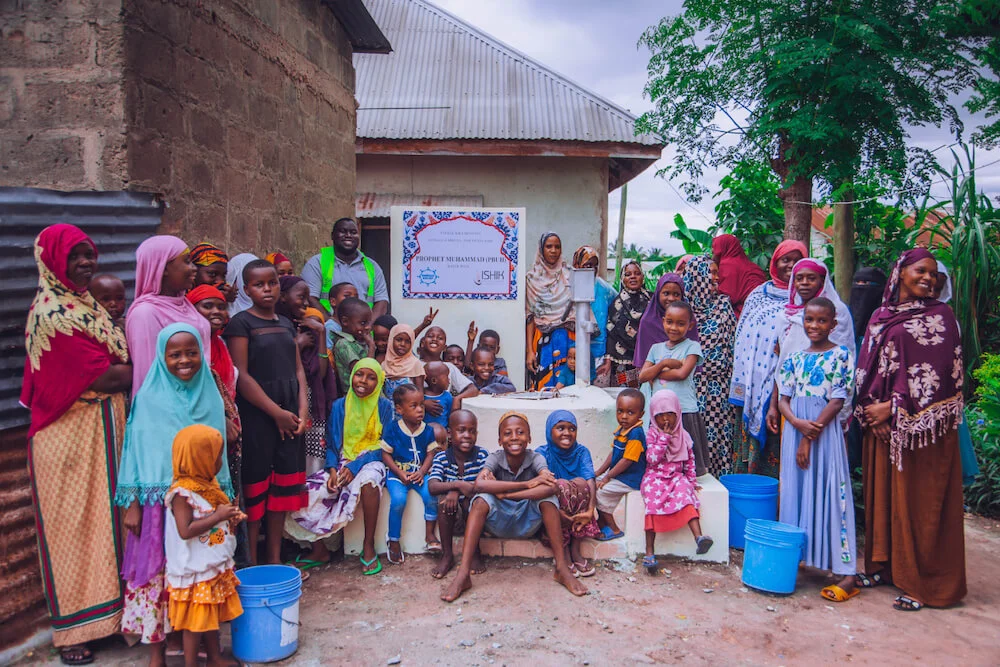
Because building and rehabilitating water wells is a highly effective water cleaning system and Africa is one of the regions suffering from extreme water scarcity, we’ve been focusing on those two endeavors in that location. Since 2013, we’ve built 409 wells throughout sub-Saharan Africa, supplying clean water to 400,000 people on a daily basis. Plus, we monitor each well up to five years after construction to ensure they’re operating effectively. Our top three Clean Water Project locations so far are:
Our top three Clean Water Project locations so far are:
- Chad Clean Water
- Nigeria Clean Water
- Cameroon Clean Water
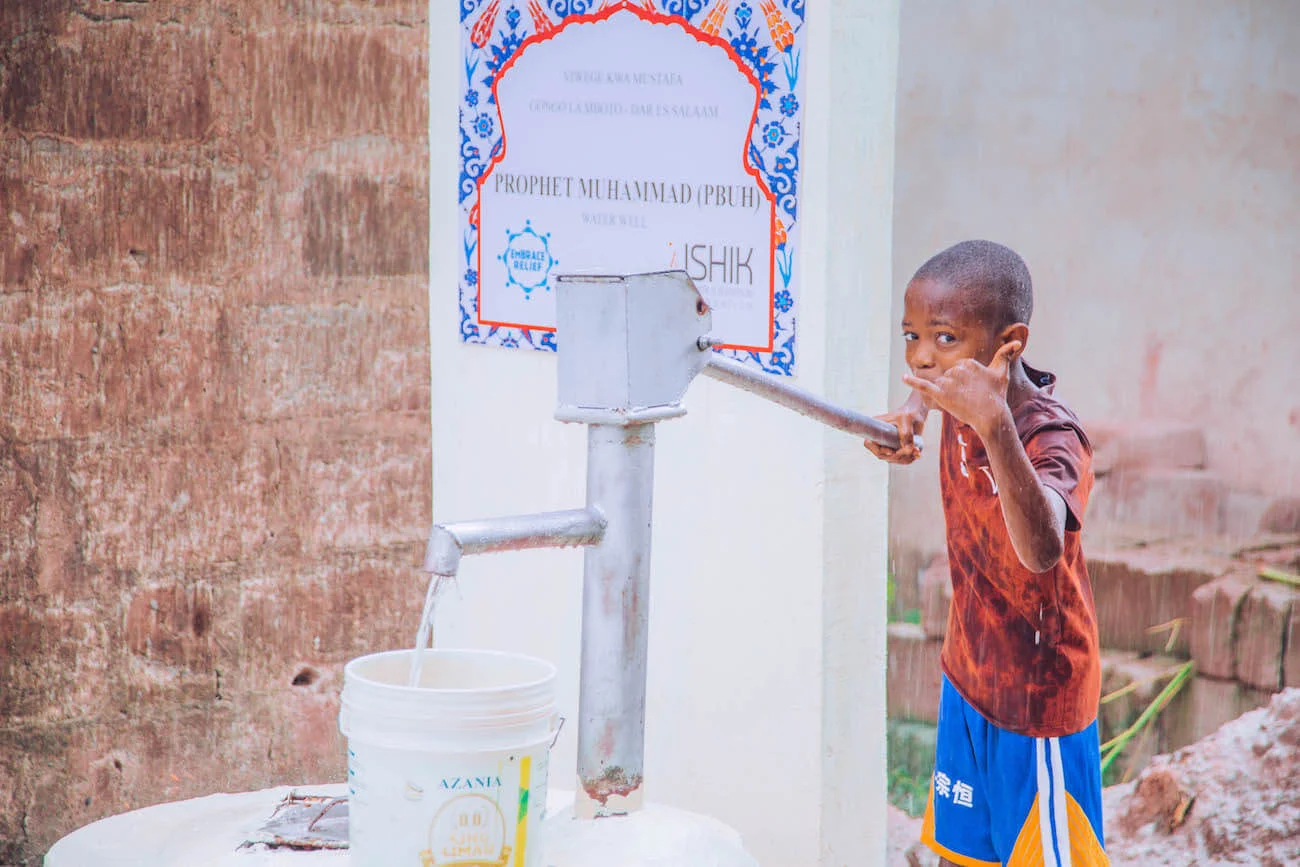
We plan on building and refurbishing hundreds more wells throughout the region, too. So, please consider donating today (or starting your own Africa Water Well project) so thousands of vulnerable people in Africa not only survive, but thrive and lift their communities out of poverty. Together, we can drastically reduce water scarcity in Africa!
If you'd like to donate specific amounts, you can choose an option here: $15, $30, $250, $500, or $1,300.