

5 tips for avoiding food waste
With 40% of the U.S. food supply wasted annually, individual actions like meal planning, buying "ugly" produce, and composting can significantly reduce waste and help fight global hunger.
The useful part before the long read.
The U.S. wastes over 130 billion pounds of food annually, contributing to landfill methane emissions and resource depletion.
Planning meals and buying only necessary ingredients prevents excess food from spoiling unused.
Purchasing cosmetically imperfect produce and saving leftovers reduces retail and consumer waste.
Donating excess non-perishables and composting organic waste supports communities and soil health.
The Impact of Food Waste
- Wasted food goes into landfills instead of feeding hungry people. Tens of millions of people in America, and hundreds of millions of people around the world, do not have enough food to eat each year. But as we can see by the amount of food wasted, it’s not a supply problem. We have more than enough food for all people.
- But it’s not just the food that goes to waste. Producing food requires numerous resources: land, water, technology, labor, transportation, and much more. When we waste large quantities of food, we’re wasting all of those resources, too.
- Food waste also has a negative impact with regards to climate change. The production and supply chains for our food involve the release of some greenhouse gases, of course. And as the wasted food decomposes in landfills, it gives off methane, a greenhouse gas 86 times more powerful than carbon dioxide.
True, a large portion of wasted food is on the production and supply end. (Think about a refrigerator malfunction spoiling dairy products, or fruits and vegetables spoiling before they get to your grocery store.) But there are still many ways in which regular people can reduce food waste in measurable, impactful ways. So how can you do your part? Here are five simple tips:
5 Simple Tips to Reduce Waste
1.Have a plan and buy what you need. Buying in bulk can be a money- and time-saver, reducing the amount of grocery store trips you’ll need to make. But it’s also often a good way to end up with wasted food. Developing a weekly meal plan, and only buying the ingredients you need to stick to it, is a good way of ensuring that all the food you buy will go to good use.
2.Don’t be afraid of “ugly” fruits and vegetables. One big source of food waste on the retail/consumer side is produce that may look visually unappealing – because of an odd shape, bruises, or other cosmetic reasons – but that are actually exactly as safe, nutritious and tasty as “normal-looking” fruit. Because of their appearance, “ugly” fruits and veggies are often dumped before they go bad. By buying “ugly” produce, you’ll get the same great taste and reduce waste.
3.Save your leftovers. Sometimes you just get full and can’t finish all the delicious food you cooked. Rather than dumping it, save it for another day! Store your leftovers in an airtight container and refrigerate or freeze as necessary. You’ve got a simple, easy-to-prepare meal for another time, or maybe an ingredient you can reuse for tomorrow’s dinner.
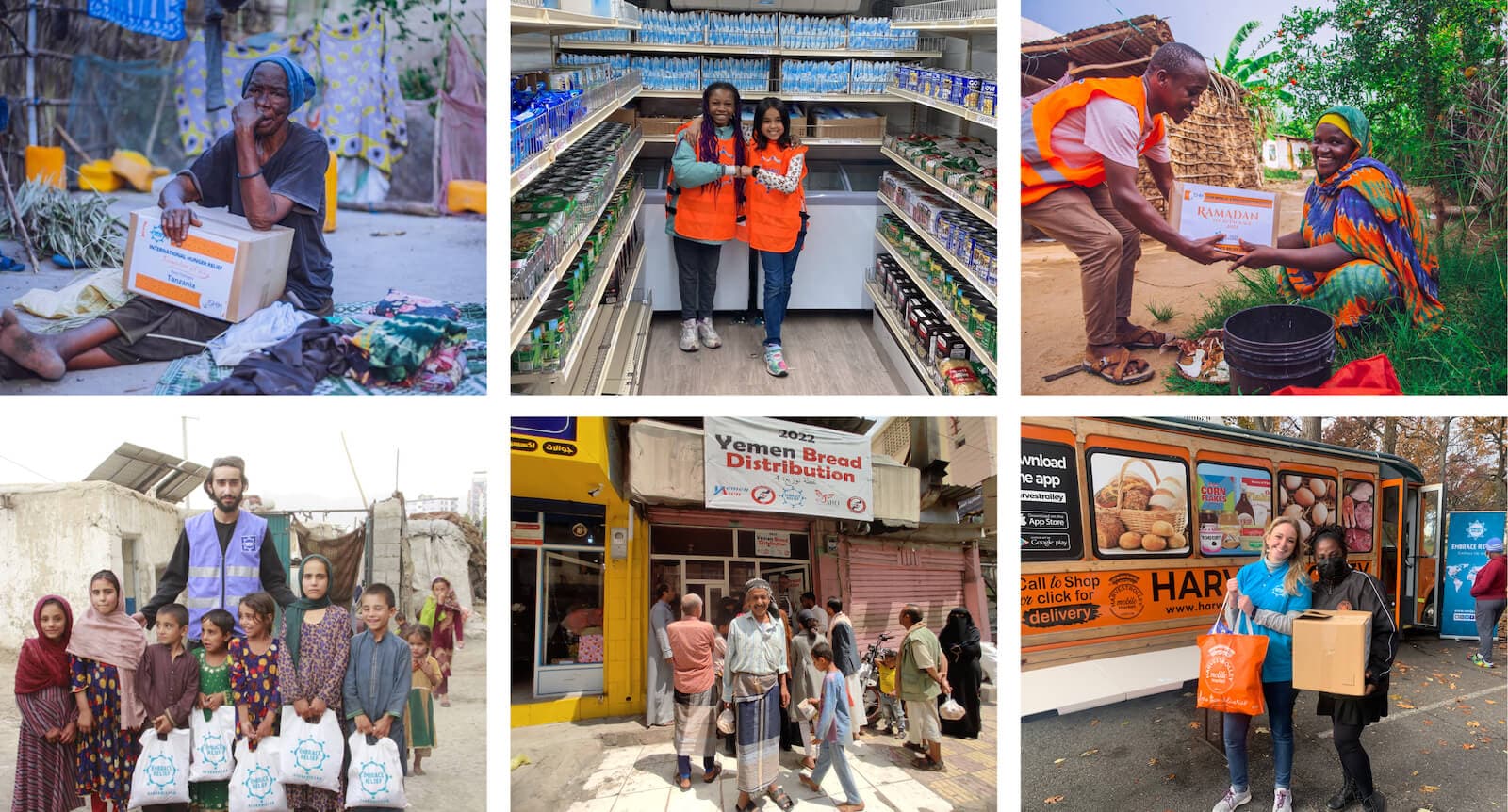
Hunger Relief
Provide meals, food baskets, and emergency nutrition support for families facing hunger.
4.Donate what you can’t use. Local food banks are always in need of non-perishable food items (canned goods, dried fruits and vegetables, etc.). But your unspoiled perishable goods could also be acceptable, depending on the food bank and the quality of your food. Sharing your excess food with your community is doubly effective: less waste, and fewer people going hungry.
5.Compost your food waste. Sometimes food waste is just unavoidable. If you have fruits or vegetables that go bad (or used eggshells, nut shells, or coffee grounds), try composting them. Burying this organic material in your backyard provides nutrients to the soil, reduces your carbon footprint, and turns food waste into something much more productive. Just remember, you can’t compost meat, bones, fats and oils, or dairy products.
Help feed people in need with Embrace Relief
So please, donate today. Every contribution you make helps one more family go to bed on a full stomach, and brings us one small step closer to ending world hunger.